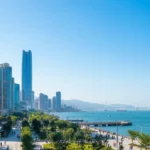
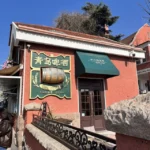
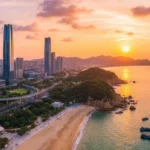
A Brief History of Qingdao: From German Outpost to Modern Seaport
Qingdao’s story is a fascinating journey from a quiet fishing village to a bustling modern seaport. It all began in 1898, when Germany secured a 99-year lease on this strategic stretch of the Shandong Peninsula. The Germans transformed Qingdao, building impressive German architecture, wide boulevards, and infrastructure that still shapes the city’s unique character today.
The city’s landscape shifted again during the early 20th century when Japanese forces occupied Qingdao from 1914 to 1922 and again during World War II. These periods added layers to Qingdao’s complex identity, blending European and East Asian influences.
Post-World War II, Qingdao entered a new phase of growth aligned with China’s ambitious Belt and Road Initiative. The city evolved into a vital maritime hub, connecting trade routes across Asia and beyond. Alongside this economic boom, Qingdao proudly put its name on the map with the world-famous Tsingtao beer, founded by German settlers in 1903, which remains a beloved symbol of the city’s heritage and innovation.
Getting to Qingdao: Essential Travel Logistics for US Visitors
Traveling to Qingdao from the United States is fairly straightforward, thanks to modern connections and clear guidelines. Your main gateway is Qingdao Jiaodong International Airport (TAO), located about 40 kilometers from downtown. It offers multiple daily flights from major Chinese hubs like Beijing, Shanghai, and Guangzhou, which all connect easily with international flights from the US. Direct flights from the US usually require a transfer in these cities.
For convenient travel within China, Qingdao’s high-speed train network is impressive. The Qingdao Railway Station links to big cities like Beijing, Shanghai, and Qingdao’s scenic neighbors along the Shandong Peninsula. High-speed trains are comfortable and efficient if you want to experience more of China on your trip.
Visa and Transit Rules for US Travelers
Most US citizens need a visa to enter China, but Qingdao offers visa-free transit options under certain conditions if you are just passing through for less than 72 hours. This is useful if Qingdao is a stopover on your way elsewhere in China. For full entry, apply for a tourist visa well before your trip.
SIM Cards, Currency, and Local Apps
Getting connected in Qingdao is easy. Pick up a local SIM card with data at the airport or downtown telecom stores; top providers like China Mobile and China Telecom offer tourist-friendly packages. We recommend downloading apps like WeChat and Alipay, essential for payments and communications in Qingdao.
China uses the Renminbi (CNY); currency exchange is available at the airport, banks, and many hotels. Credit cards can be limited, so keep some cash handy, especially for street food and markets.
Flights vs. Trains: Quick Comparison for US Visitors
| Mode | Time from Beijing | Comfort | Cost (approx.) | Notes |
|---|---|---|---|---|
| Flight | 1.5 hours | Moderate | $$$ | Quick, but add airport transfer times |
| High-Speed Train | 4-5 hours | High | $$ | Scenic, reliable, better for locals |
For more detailed travel logistics, including transport options once you land, check out this comprehensive Qingdao travel guide.
Where to Stay in Qingdao: Neighborhoods for Every Traveler Type
Qingdao offers a variety of neighborhoods catering to different traveler styles, from history buffs to beach lovers and budget backpackers.
Shinan District – Historic Charm and Boutique Hotels
Shinan District is Qingdao’s cultural heart, packed with German architecture, cobblestone streets, and landmarks like St. Michael’s Cathedral. It’s perfect if you want a boutique hotel with old-world charm close to cafes, museums, and Zhanqiao Pier. Expect mid to upper-range prices here, ideal for travelers who want comfort with a historic vibe.
Shibei District – Budget Hostels and Nightlife
Shibei is the go-to area for travelers on a budget looking for lively nightlife and local eats. You’ll find affordable hostels, guesthouses, and some smaller hotels. This district is popular with younger visitors and those who want easy access to Taidong Night Market and bustling bars without breaking the bank.
Huangdao District – Beach Resorts and Relaxation
For a coastal escape, Huangdao district offers beach resorts and hotel complexes by Jiaozhou Bay beaches. It’s quieter, great for families or travelers looking to unwind by the sea. Resorts here vary from luxury to mid-range, with easy access to outdoor activities like hiking and sailing at the nearby Olympic Sailing Center.
| Neighborhood | Accommodation Type | Price Range (per night) | Pros | Cons |
|---|---|---|---|---|
| Shinan | Boutique hotels | $70 – $150+ | Historic charm, central location | Pricier, busy in peak season |
| Shibei | Hostels, budget hotels | $20 – $60 | Affordable, nightlife, local food | Less scenic, noisy |
| Huangdao | Beach resorts, hotels | $60 – $130 | Beach access, relaxed vibe | Far from city center |
Choosing where to stay depends on your travel priorities. For history and atmosphere, Shinan is hard to beat. If budget and nightlife are key, Shibei fits well. To chill by the sea, check out the Qingdao beach resorts options in Huangdao for coastal comfort.
Top 10 Must-See Attractions in Qingdao
Qingdao is packed with iconic sights and hidden gems that capture its unique blend of history, nature, and culture. Here are the top spots you shouldn’t miss.
-
Zhanqiao Pier
Start your day with a peaceful dawn walk along Zhanqiao Pier. The view of the old pavilion against the rising sun is stunning and perfect for photos.
-
St. Michael’s Cathedral
This striking German-style cathedral offers great photo opportunities both inside and out, showcasing Qingdao’s colonial architecture.
-
Tsingtao Beer Museum
Tour the birthplace of the world-famous Tsingtao beer. Book in advance to enjoy guided tastings and learn about the brewing history. Check out the full details on the Qingdao attractions page.
-
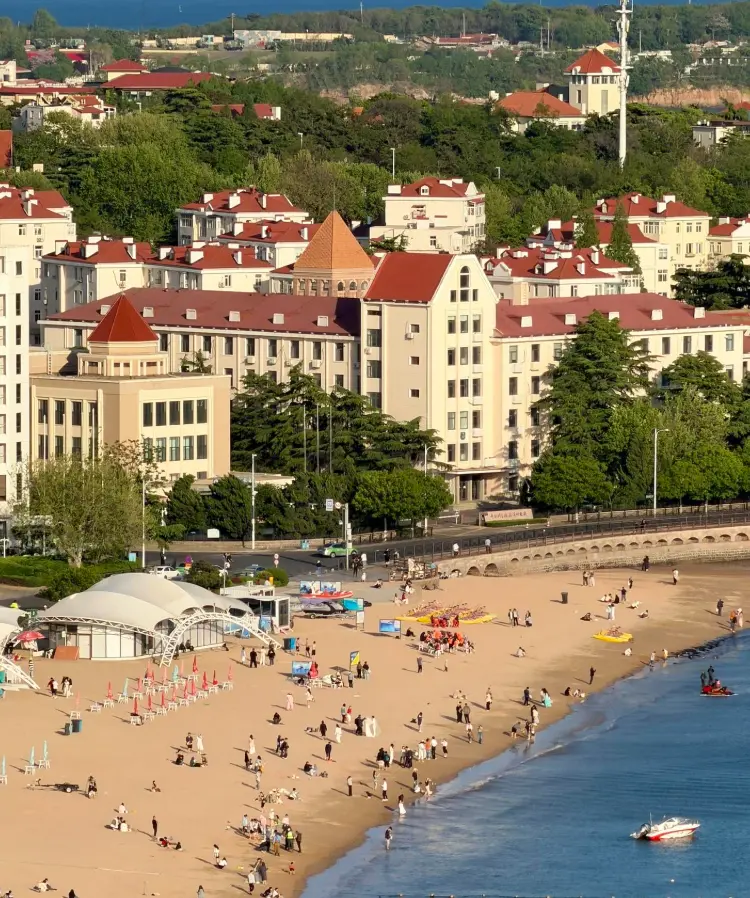
No. 1 Bathing Beach & Olympic Sailing Center
Relax at Qingdao’s most popular sandy beach and stroll around the Olympic Sailing Center with its sleek yachts and waterfront vibes.
-
Laoshan Mountain
Perfect for outdoor lovers, Laoshan offers scenic hiking trails, ancient Taoist temples, and panoramic views of Jiaozhou Bay.
-
Badaguan Scenic Area
Rent a bike and explore this charming neighborhood filled with historic mansions and tree-lined streets, a great spot for quiet sightseeing.
-
May Fourth Square
Visit in the evening for spectacular light shows that illuminate the modern heart of Qingdao along the waterfront.
-
Little Qingdao Park
This small park is famous for its lighthouse, sea breezes, and serene paths—ideal for a calm escape from the city buzz.
-
Qingdao Underwater World
A family-friendly attraction featuring a large aquarium and interactive exhibits about marine life native to the Shandong Peninsula.
-
Zhongshan Park
Enjoy lakeside walks and fun rides in this central park that locals love for relaxation and weekend gatherings.
For something off the beaten path, locals recommend Shazikou Beach, a quieter spot perfect for swimming away from the crowds. For more on Qingdao’s famous sights, check out this comprehensive guide to Qingdao attractions.
Suggested 4-Day Itinerary: Making the Most of Your Qingdao Escape
Day 1: Arrival and Old Town Immersion
Start your trip by exploring Qingdao’s historic heart in Shinan District. Take a stroll along Zhanqiao Pier at dawn for stunning views and photo ops. Visit St. Michael’s Cathedral to admire the German architecture before settling into a local café. Wrap up your day with a walk around Badaguan Scenic Area, known for its mix of European-style villas.
Day 2: Beaches and Beer Exploration
Spend the morning at the No. 1 Bathing Beach or Jiaozhou Bay beaches for sun and sea breezes. In the afternoon, tour the Tsingtao Beer Museum to dive into the city’s brewing history, then enjoy a tasting session paired with seafood. End the day at May Fourth Square to catch the spectacular light show by the waterfront.
Day 3: Laoshan Mountain Day Trip
Dedicate this day to Laoshan Mountain hiking and temple visits. The trails offer breathtaking views over the Yellow Sea and peaceful spots to recharge. After returning, unwind at a local hot spring if it’s the cooler season or enjoy fresh seafood at Taidong Night Market.
Day 4: Markets and Departure
Use your final day to explore local markets like Yunxiao Road for souvenirs, snacks, and last-minute gifts. Depending on your flight or train schedule, pop into Little Qingdao Park for sea breeze and lighthouse views. Make sure your transport to Qingdao Jiaodong Airport or train station is arranged ahead to avoid any rush.
Printable Itinerary Table
| Day | Activity | Transport | Meal Ideas |
|---|---|---|---|
| Day 1 | Zhanqiao Pier, St. Michael’s Cathedral, Badaguan | Walk / Taxi | Local café breakfast, street snacks |
| Day 2 | Beaches, Tsingtao Beer Museum, May Fourth Square | Bus / Taxi | Beachside seafood, pub dinner |
| Day 3 | Laoshan Mountain hiking, hot spring or night market | Tour bus / Taxi | Packed lunch, night market eats |
| Day 4 | Yunxiao Road market, Little Qingdao Park, departure | Taxi / Shuttle | Light market snacks, airport eatery |
Qingdao’s Culinary Scene: Seafood, Street Eats, and Beer Culture
Qingdao’s food scene is shaped by its coastal location and rich Shandong culinary traditions. Seafood is king here, with fresh dishes like grilled oysters and braised sea cucumbers standing out. These specialties highlight the local flavor—simple, fresh, and packed with umami.
If you’re a beer lover, visiting the Tsingtao Beer Museum is a must. Pair your meals with a cold Tsingtao beer, a perfect complement to seafood. There’s even a mapped Beer Trail in Qingdao to guide you through the best spots to taste different brews alongside local dishes.
For street eats, head to Taidong Night Market and Yunxiao Road. These buzzing food hubs offer everything from grilled squid and skewers to dumplings and local noodles. The prices are wallet-friendly, and the atmosphere is vibrant. Vegetarians won’t be left out—look for stir-fried greens, tofu dishes, and fresh buns.
When eating street food, keep hygiene in mind—choose busy stalls where food is cooked fresh and turnover is high.
Top 5 Qingdao Dishes with Costs & Locations
| Dish | Where to Try | Approximate Cost (USD) |
|---|---|---|
| Grilled Oysters | Yunxiao Road Street Food Stalls | $5 – $8 per dozen |
| Braised Sea Cucumber | Shandong Seafood Restaurants | $15 – $25 |
| Seafood Barbecue | Taidong Night Market | $3 – $7 per skewer |
| Tsingtao Beer | Multiple Pubs & Beer Museum | $2 – $5 per glass |
| Qingdao Noodles | Local noodle shops | $2 – $4 |
Qingdao’s mix of fresh seafood, lively street markets, and iconic beer culture offers a genuine taste of this coastal city’s vibrant food life.
Practical Tips: Navigating Qingdao Like a Local
Transport Options
Getting around Qingdao is pretty straightforward. Most locals use Didi, China’s version of Uber, which is easy to download and works smoothly for short trips. For a cheaper option, grab a bus card (Qingdao Tong), which you can top up at convenience stores or stations. Buses run frequently and cover most tourist spots, but they can get crowded during rush hour.
Weather and Packing Advice
Qingdao’s weather varies with the seasons. Summers are warm and humid, perfect for beaches like Jiaozhou Bay. Winters can be chilly, especially if you plan on hiking Laoshan Mountain. Here’s a quick packing list:
- Light clothes for summer
- A warm jacket for fall/winter
- Comfortable walking shoes for city exploring and beach strolls
- Sunscreen and a hat for sunny days
- Rain gear in spring (umbrellas or light rain jackets)
Safety and Etiquette
Qingdao is generally safe, but basic travel sense applies:
- Stay alert picking personal belongings in crowds (Taidong Night Market is busy at night).
- When bargaining in markets, stay friendly but firm — sellers expect some haggling.
- Respect local customs like queuing politely or giving up seats to elders on public transport.
- Tipping isn’t common in Qingdao but appreciated in high-end restaurants or hotels.
VPN and Bargaining Tips
Internet censorship means apps like Google and Facebook are blocked, so plan ahead to use a VPN if you want easy access to your usual services. Reddit threads are good for up-to-date VPN recommendations because these change often.
For shopping, especially souvenirs or street food, always try to negotiate prices calmly. Vendors usually quote higher prices for tourists, so don’t hesitate to ask for a better deal.
Eco-Conscious Beach Practices
Qingdao’s coastline is popular but keeping it clean is key. Join locals by:
- Using trash bins (don’t leave litter on beaches like No. 1 Bathing Beach).
- Avoiding single-use plastics — bring a reusable water bottle.
- Respecting protected areas, especially near Little Qingdao Park and the Olympic Sailing Center.
Packing List Essentials
- Smartphone with local SIM card (China Unicom or China Mobile)
- Physical copy of your passport and visa (if needed)
- Power adapter (Type I plug used in China)
- Lightweight backpack
- Basic first aid kit
- Cash in Chinese Yuan (CNY), small bills for markets and tips
Day Trips and Extensions: Beyond Qingdao’s Borders
If you have extra time in Qingdao, consider exploring nearby spots that offer a mix of culture, nature, and food. These day trips give you a broader view of Shandong Province and some iconic Chinese experiences.
Qufu Confucius Temple
Just about 3 hours from Qingdao, Qufu is the hometown of Confucius and home to the famous Confucius Temple, Cemetery, and Mansion. This site is a UNESCO World Heritage spot and offers a deep dive into Chinese philosophy and history. It’s perfect for history buffs or anyone curious about China’s cultural roots.
Mount Tai Hike
Mount Tai is one of China’s Five Great Mountains, known for its stunning sunrise views and spiritual significance. It’s roughly a 4-hour trip from Qingdao. The hike can be challenging, but you can also take a cable car up if you want to save time or energy. The top offers temples, beautiful nature, and panoramic views that make it worth the effort.
Yantai Wine Region
About 2 hours northeast of Qingdao, Yantai is China’s premier wine region. Visit vineyards, sample local wines, and enjoy fresh seafood by the Jiaozhou Bay coastline. Yantai combines beautiful landscapes with a slower, relaxed pace, making it great for wine lovers and foodies.
Side Trip Comparison Table
| Destination | Travel Time | Highlights | Pros | Cons |
|---|---|---|---|---|
| Qufu | ~3 hours | Confucius sites, UNESCO heritage | Deep cultural experience | Long day trip |
| Mount Tai | ~4 hours | Mountain hiking, temples | Iconic landscapes, spiritual vibe | Physically demanding |
| Yantai | ~2 hours | Wine tasting, seafood | Relaxed vibe, food & wine combo | Less cultural sites |
Booking and Tips
- Most tours can be booked through Qingdao hotels or travel agencies.
- Consider private transfers or train options for more flexibility.
- Check weather and hiking gear if heading to Mount Tai.
- Look for combo tickets or multi-site passes for Qufu.
- Many spots highlight China’s UNESCO heritage and scenic coastal views—perfect for extending your Qingdao trip.