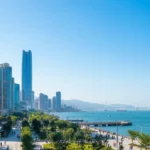
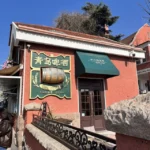
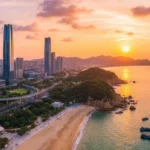
If you’ve ever dreamed of stepping into a living postcard where European villas meet sweeping coastal views, then Badaguan Qingdao is the place you need to know. This historic district, famed as the “Eight Passes Scenic Area,” perfectly blends multicultural architecture with the serene charm of tree-lined streets and ocean breezes. Whether you’re planning your next getaway, looking for stunning photography spots, or simply craving a peaceful stroll amid Qingdao’s rich history, Badaguan promises an unforgettable experience. Ready to uncover why this “World Architecture Exhibition” is a must-see on your Qingdao itinerary? Let’s dive in!
Introduction to Badaguan Scenic Area
Badaguan Scenic Area is Qingdao’s most famous historic residential district, renowned for its charming blend of nature and architecture. Nestled in the heart of Shinan District, this picturesque neighborhood offers a peaceful escape with its signature “Eight Great Passes”—a name inspired by eight streets, each named after a famous mountain pass in China. Here, you’ll find the iconic “red tiles, green trees, blue sea, blue sky” aesthetic that captures the essence of Qingdao’s coastal beauty.
This open-air museum of European-style villas and lush greenery is free to explore on foot, making it a perfect spot for leisurely strolls. As a national cultural heritage site, Badaguan holds a special place in Qingdao’s history and continues to enchant visitors with its timeless charm. Whether you’re a history buff, architecture lover, or simply seeking stunning seaside views, Badaguan is a must-visit on your Qingdao itinerary.
The Fascinating History of Badaguan
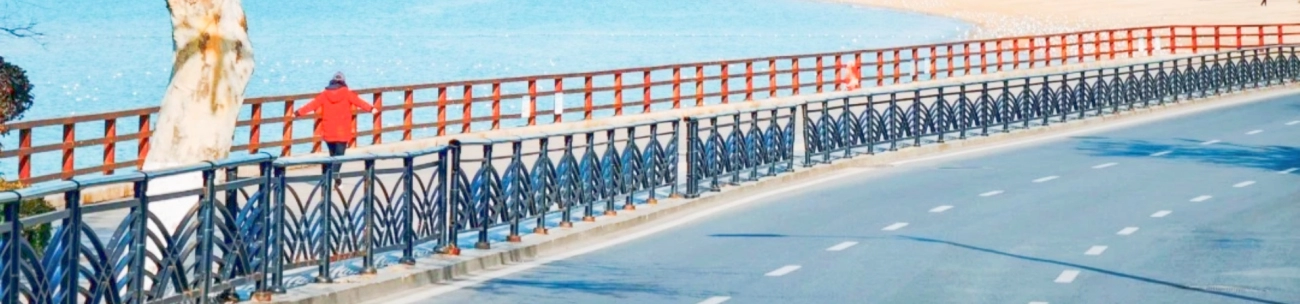
Badaguan’s story begins during the late 19th and early 20th centuries when Qingdao was under German concession. This period laid the foundation for the district’s unique character, as German colonial planners designed the streets, introducing European-style villas and wide tree-lined avenues. By the 1930s, Badaguan had blossomed into a residential area featuring villas representing more than 20 countries, making it a true architectural melting pot and reflecting Qingdao’s growing international importance.
After 1949, Badaguan evolved from an elite neighborhood into a peaceful sanitarium and a residence for VIPs. The district’s historical milestones include surviving various political changes while preserving its blend of cultures and architectural diversity. Today, Badaguan stands as a vivid symbol of Qingdao’s multicultural legacy—highlighting the harmonious coexistence of its German, Russian, Danish, Spanish, and Japanese influences that visitors can still enjoy when exploring this historic district. For those curious about Qingdao’s blend of past and present, it’s a must-see area to understand the city’s unique identity.
If you’re exploring this historic district, you might also want to check out the nearby Mount Laoshan Qingdao China area, which adds natural beauty to your cultural experience.
Architectural Highlights: A World Exposition in One District
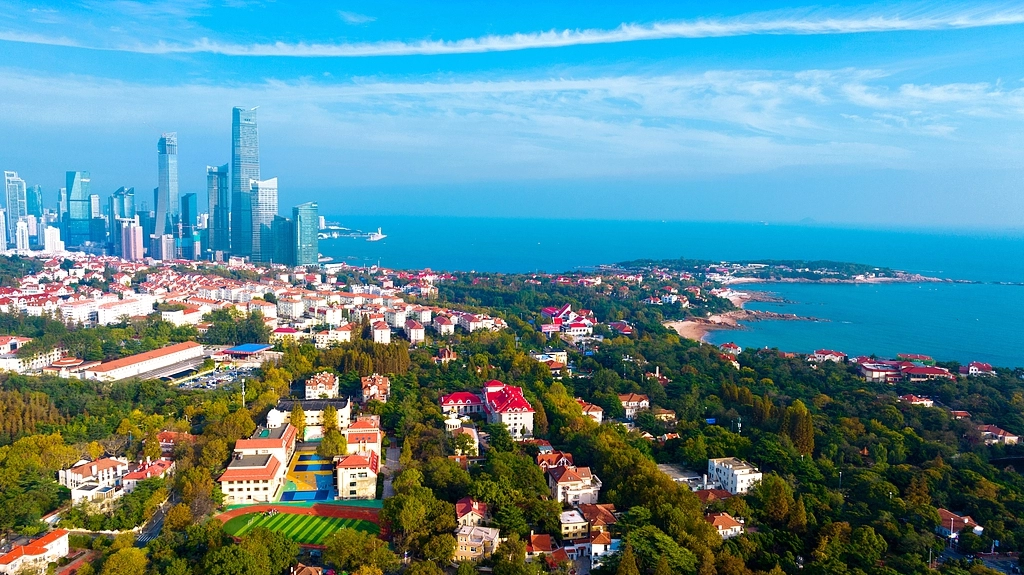
Badaguan in Qingdao is like a mini world architectural expo packed into one charming neighborhood. The villas here showcase a stunning mix of styles from over a dozen countries—Russia, Germany, Denmark, Spain, Japan, and more—each with its own unique flair. Walking through the ten named streets, you’ll notice how thoughtfully the trees complement the architecture. For example, Shaoguan Road is lined with delicate peach blossoms, creating a soft, romantic vibe in spring, while Juyongguan Road boasts vibrant red maples that light up the autumn scenery. This combination of diverse European-inspired Qingdao villas architecture alongside seasonal greenery makes Badaguan a visual treat and a must-visit for fans of design and history alike.
For those planning their visit, pairing a stroll through Badaguan with a detailed walking route will help you appreciate the unique character of each street and villa. If you want some extra insight into Qingdao’s historic districts and attractions, check out this comprehensive Qingdao Travel Guide.
Must-See Villas and Landmarks in Badaguan
Badaguan’s charm lies in its stunning villas, each with its own story and distinct style. The Huashi Lou (Flower Stone Building) stands out as an iconic castle-like villa offering breathtaking views of the sea. Its unique architecture makes it a favorite photo spot in the Badaguan Qingdao area.
Nearby, the Princess Building captures attention with its fairy-tale Danish design. This villa is wrapped in a romantic legend, adding to its allure for visitors who appreciate both history and fairy-tale charm.
The Butterfly Building is another highlight, known for its delicate design and connections to Qingdao’s celebrity history. Close by, the imposing Yuan Shuai Lou or Marshal’s Mansion, once home to military leaders, reflects Badaguan’s significant role in modern Chinese history.
These landmarks, together with other former residences of notable figures, turn Badaguan into a living museum of Qingdao villas architecture. Don’t miss exploring these villas when you visit — they paint a vivid picture of the area’s multicultural past and architectural diversity.
For a broader experience, consider exploring nearby attractions like May Fourth Square, easily combined with a walk through these historic neighborhoods. Learn more about what to see in Qingdao to make the most of your visit.
Seasonal Beauty and Nature in Badaguan
Badaguan shines year-round with its seasonal charm, making every visit rewarding. In spring, the streets burst to life with blooming peach and cherry blossoms, creating perfect photo moments amid the historic villas. Summer brings lush greenery alongside vibrant purple crape myrtle trees, offering cool shade under clear blue skies. Come autumn, the area transforms with golden ginkgo and fiery red maples, painting a stunning tapestry that highlights Qingdao’s famous autumn foliage. Winter here is peaceful, ideal for quiet coastal walks lined with evergreen pines, a calm contrast to the other seasons.
Located close to the popular No. 2 Bathing Beach, Badaguan lets visitors easily combine scenic village strolls with year-round seaside relaxation. This proximity means you can enjoy both vibrant natural beauty and refreshing ocean breezes in one trip, capturing the best of Qingdao’s coastal walk experience.
Best Ways to Explore Badaguan
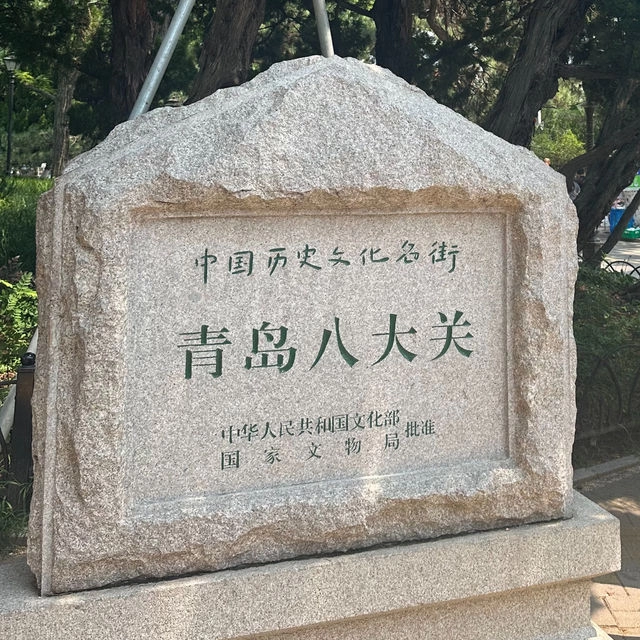
The best way to experience Badaguan is on foot, where you can fully enjoy the mix of historic architecture and natural beauty. A popular option is a 2-4 hour walking route starting from Zhongshan Park, winding through the ten scenic streets lined with unique trees like peach blossoms and maples. This loop lets you soak in the “red tiles, green trees, blue sea, blue sky” vibe while discovering the distinct character of each villa.
For photographers, early mornings or late afternoons offer the best light and fewer crowds—perfect for capturing the iconic European villas and coastal views. To avoid busy times, try weekdays or visit outside Chinese public holidays.
Since Badaguan is close to other must-see spots, you can easily combine your visit with nearby attractions such as Zhanqiao Pier, May Fourth Square, and Taipingjiao Park. These areas provide a broader glimpse of Qingdao’s coastal charm and vibrant city life, making your day truly worthwhile. For detailed routes and tips around Qingdao, check out the Qingdao attractions page for more travel ideas.
Practical Visitor Information for Badaguan
Getting to Badaguan in Qingdao is straightforward. It’s located in Shinan District, easily reachable by several bus routes and metro stations nearby—Qingdao Metro Line 3’s Shaoxing Road Station is a convenient stop. Taxis are also a quick option if you prefer direct access.
The streets of Badaguan are open to the public with free entry, but some interior villas require tickets if you want to explore inside. Combo tickets are available for popular spots like Huashi Lou and the Princess Building, offering a great way to experience multiple landmarks. The area is generally accessible, but some villas may have limited wheelchair access due to their historic nature.
The best time to visit Badaguan is from spring through autumn when the weather is mild and the seasonal beauty shines—think blooming peach trees in spring or the vibrant autumn foliage. Summers are warm and lush, while winters offer quiet coastal walks, though it can be chilly.
For dining, the neighborhood around Badaguan offers cozy cafes and seafood restaurants, perfect for tasting Qingdao’s fresh flavors. Accommodations range from boutique hotels nearby to larger options in Shinan District, suitable for families and solo travelers alike. This makes Badaguan a comfortable and enjoyable stop on your Qingdao itinerary.
For more on Qingdao’s travel basics and culture, check out this detailed Qingdao travel guide to plan your visit effectively.
Why Badaguan Should Be on Your Qingdao Itinerary
Badaguan Scenic Area offers a unique blend of history, architecture, and nature that sets it apart from other spots in Qingdao. Whether you’re planning a romantic getaway, a family outing, or solo exploration, this historic district has something special to offer. From the charming European villas to the vibrant seasonal beauty, every visit feels like stepping into a living museum.
The peaceful tree-lined streets, iconic buildings like Huashi Lou and the Princess Building, and the proximity to No. 2 Bathing Beach make Badaguan a well-rounded destination. Plus, with free entry to the streets and easy walking routes, it’s both accessible and rewarding for visitors of all interests.
For insider tips, local photography spots, and suggested walking routes to fully experience Badaguan’s charm, the Qingdao Travel Guide provides expert advice to help you plan an unforgettable visit. This historic district truly deserves a top spot on your Qingdao itinerary.