If you’ve ever wondered where China’s Shandong Qingdao magic happens, you’re in the right place. This coastal city isn’t just another dot on the map—it’s a vibrant blend of seaside beauty, rich history, and that unmistakable German charm. From world-famous Tsingtao beer to sun-soaked beaches and stunning mountain hikes, Qingdao offers a little something for every traveler craving an authentic coastal escape. Ready to discover why this Shandong gem should be next on your list? Let’s jump in.
The Geography and Getting There
Shandong Context and Qingdao Location
Qingdao sits on the scenic Shandong Peninsula, where the Yellow Sea kisses the coast. It’s a vibrant city in eastern China, known for its blend of sea views and urban charm. Shandong Province is famous for its rich culture and history, with Qingdao acting as its maritime gateway. This coastal city is ideally placed for exploring both bustling urban streets and peaceful waterfronts.
City Layout Essentials and Climate
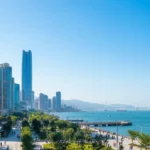
Qingdao’s layout is a mix of modern districts and historic neighborhoods. The central area hugs Jiaozhou Bay, offering waterfront promenades and parks, while the north boasts mountainous landscapes like Laoshan Mountain. Expect mild, wet springs and warm summers ideal for beaches. Winters are cool but not harsh, making Qingdao inviting year-round with plenty of fresh sea breeze enhancing the air.
Arrival Guide with Transport Options and Visa Tips
Getting to Qingdao is simple. The Qingdao Liuting International Airport connects directly with major Chinese cities and select international hubs. From here, taxis and airport shuttles can whisk you to the city center smoothly. If you’re coming by train, high-speed rail links connect Qingdao to Beijing, Shanghai, and beyond.
Visa Tip: U.S. travelers need a Chinese visa before arrival. Make sure to apply early, and check if short-term transit visas apply for your itinerary.
Local Habits and Seasonal Alerts
Qingdao locals embrace a laid-back style influenced by the sea—expect friendly greetings and a community vibe. Outdoor cafes and seafood markets buzz, especially during warmer months. The city shines brightest during the Tsingtao Beer Festival in late summer, where locals and visitors clink mugs under the sea breeze.
Seasonal alerts: Summers bring crowds and humidity; spring and fall offer cooler weather perfect for hiking Laoshan or beach strolls. Winter is quieter but charming for experiencing local life without the tourists.
A Tapestry of History
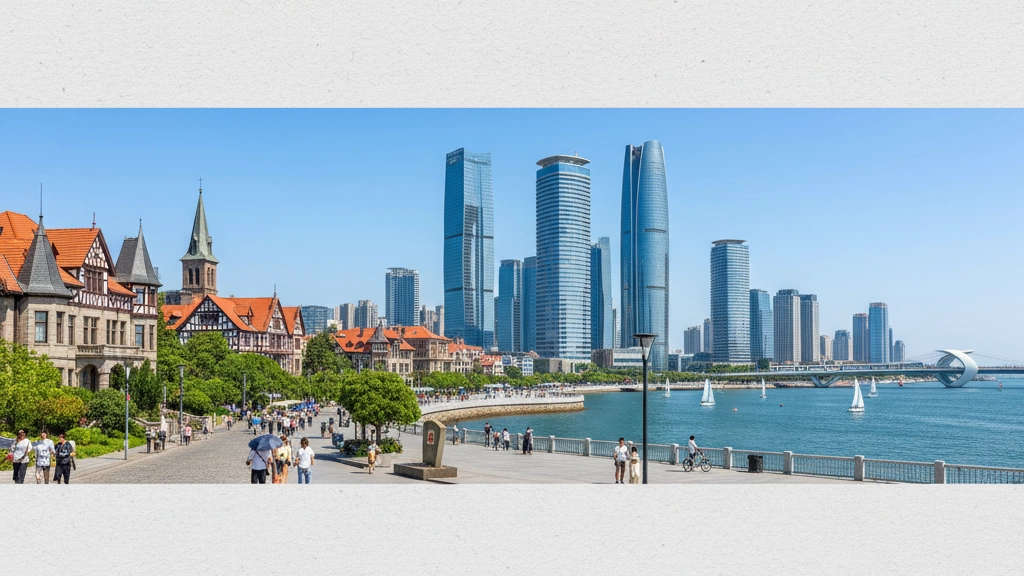
Qingdao’s history is deeply shaped by its time under German colonial rule from 1898 to 1914. The Germans turned Qingdao into a strategic naval base and commercial port, leaving a lasting architectural legacy visible today in the city’s red-roofed buildings and European-style streets. This mix of German architecture in China creates a unique atmosphere, blending Western and Eastern influences along the Yellow Sea coast.
After 1949, Qingdao quickly transformed into an industrial hub, boosting its economy with shipbuilding, electronics, and textiles. The city’s growth accelerated with the 2008 Beijing Olympics, when Qingdao hosted sailing events, putting it on the map as an international sports and tourism destination.
Today, Qingdao thrives as a cultural fusion point, where traditional Shandong customs meet modern urban life. You’ll see this blend in its food, festivals, and daily rhythms, reflecting both its historical roots and contemporary trends. For a deeper dive into Qingdao’s evolving identity, check out detailed insights on the Shandong Peninsula travel experience.
Must-See Attractions in Qingdao: Beaches, Architecture, and Trails
Beaches and Jiaozhou Bay Highlights
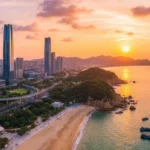
Qingdao is famous for its stunning beaches along the Yellow Sea coast. Qingdao beaches like No.1 Bathing Beach and Shilaoren offer clean sand, clear water, and plenty of space to relax or swim. Jiaozhou Bay provides great spots for waterfront views and water sports. Early morning or late afternoon is perfect for less crowded, scenic strolls.
Architectural Gems and Self-Guided Routes
The city’s German colonial history shines through in areas like Badaguan, where European-style villas stand nestled among tree-lined streets. Don’t miss the old Lutheran Church and the Qingdao Customs Building. Exploring these on foot or by bike through self-guided routes gives you a deeper sense of Qingdao’s unique blend of East meets West architecture.
Nature Escapes and Laoshan Mountain Hikes
For natural beauty, head to Laoshan Mountain, just outside the city. It’s known for its Taoist temples, waterfalls, and hiking trails ranging from easy walks to more challenging climbs. The mountain views over the sea are breathtaking and a favorite for locals wanting a break from city life.
Offbeat Picks and Local Leisure Habits
If you want something less touristy, visit local parks like Zhongshan Park or the Friday evening night markets to soak up everyday life. Kite flying and cycling along the seaside promenade are popular pastimes here. You’ll find plenty of spots where locals gather to enjoy casual activities — a great way to experience Qingdao like a resident.
Sample Itineraries for Solo and Family Travelers
- Solo Travelers: Morning hike at Laoshan, afternoon exploring Badaguan’s architecture, evening at Tsingtao Brewery for a tour and tasting.
- Families: Beach time at No.1 Bathing Beach, visit Qingdao Aquarium, and finish with a boat ride around Jiaozhou Bay.
These highlights showcase why Qingdao is a must-visit travel spot on the Shandong Peninsula – rich in nature, culture, and history.
Savoring Qingdao: Seafood, Beer, and Dining Tips
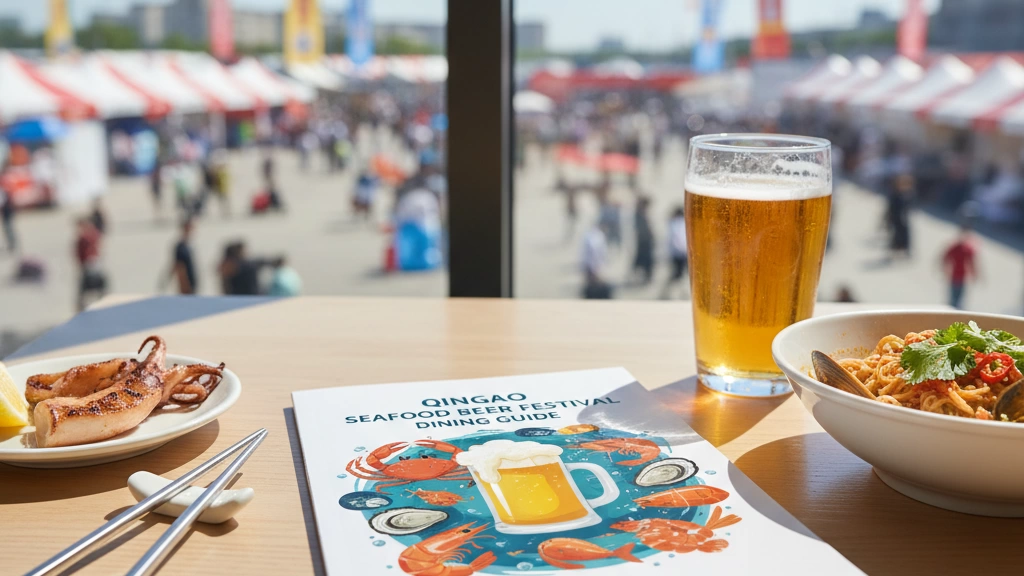
Qingdao is famous for its fresh seafood, which you can find everywhere—from bustling markets to seaside restaurants. Don’t miss out on local favorites like clams, squid, and steamed scallops. If you’re watching your budget, street food stalls and local eateries offer delicious seafood at great prices.
The city’s beer culture is a big deal. Qingdao is home to the original Tsingtao Brewery, and the annual Tsingtao Beer Festival is a highlight for visitors. You can tour the brewery or just enjoy a cold beer by the beach, soaking up the lively atmosphere.
Beyond seafood and beer, Shandong traditional dishes are worth trying. Think braised pork, fried pancakes, and hearty dumplings. There are plenty of vegan options too, like stir-fried vegetables and tofu dishes, especially in modern restaurants catering to diverse diets.
When dining, keep it simple: use chopsticks, share dishes, and don’t rush your meal. Some popular spots to check out include May Fourth Square’s food street and the Qingdao Seafood Wholesale Market. These places offer an authentic taste of the city’s flavors and vibe.
Beyond Sightseeing in Qingdao
Active Pursuits: Cycling and Kite-Flying
Qingdao’s coastal scenery makes outdoor activities a must. Renting a bike is easy, with plenty of paths along the Yellow Sea and Jiaozhou Bay. Cycling lets you soak in the fresh air and see parts of the city at your own pace. For something more relaxed, kite-flying is popular on Qingdao’s windy beaches—grab a kite from a local market and join in the fun.
Cultural Immersions and Night Markets
Dive into Qingdao’s local vibe by exploring its night markets. These bustling spots are great for sampling street food, picking up souvenirs, and watching local artists perform. Cultural shows and tea ceremonies are also available if you want a deeper experience beyond just sights.
Day Trips to Nearby Shandong Destinations
Qingdao is a perfect base for exploring Shandong Peninsula. Consider trips to Mount Laoshan—the tallest coastal mountain in China known for hiking—and the nearby ancient city of Zibo for pottery fans. Both are easily reachable by train or bus, making day trips convenient.
Seasonal Events and Accessibility Notes
Practical Travel Tips for Qingdao
Budget Breakdown and Attraction Costs
Qingdao offers a range of options for all budgets. Entrance fees to popular spots like the Tsingtao Brewery tour or Laoshan Mountain hikes generally range from $5 to $15. Public transport is affordable—bus rides usually cost under $1, and taxis start at about $2. Eating out can be very budget-friendly, especially at local seafood markets and street food stalls where meals run $3 to $10.
Connectivity, Safety, and Useful Apps
Qingdao is well-connected with free Wi-Fi in many hotels, cafés, and shopping areas. For navigation and translation, apps like Baidu Maps and Pleco are must-haves. The city is safe overall, but it’s wise to stay cautious in crowded tourist spots and watch your belongings. Emergency services have English-speaking support if needed.
Sustainable Tourism Practices
To help preserve Qingdao’s natural beauty, avoid littering, use refillable water bottles, and stick to marked hiking trails like those on the Shandong Peninsula. Supporting local businesses promotes greener tourism—choose locally owned restaurants and guides to make a positive impact.
Local Insights on Bargaining and Expat Meetups
Bargaining is common in markets but less so in malls and fixed-price shops. Start by offering about 70% of the asking price and negotiate politely. For expats or solo travelers looking to connect, Qingdao has active meetups through social apps like WeChat or Meetup, especially around international bars and cultural events.
Common Traveler FAQs
- Do I need a visa? Most travelers to China need a visa—check current U.S. consulate guidelines.
- Is English widely spoken? Basic English is common in tourist zones; learning simple Mandarin phrases helps.
- When’s the best time to visit? Late spring and early fall are ideal for pleasant weather and fewer crowds.
- Are credit cards accepted? Larger hotels and restaurants accept credit cards, but cash or apps like Alipay are preferred locally.
For more detailed tips and updates, the Qingdao Travel Guide is a reliable resource to keep handy during your trip.