The Allure of Mount Laoshan Qingdao China
If you’re in Qingdao and wondering whether Mount Laoshan is worth carving a full day out of your trip for, my answer is simple: yes. This stretch of Shandong coastal mountains gives you granite peaks, ocean views, Taoist temples, mineral springs, and surprisingly good tea — all in one compact scenic area.
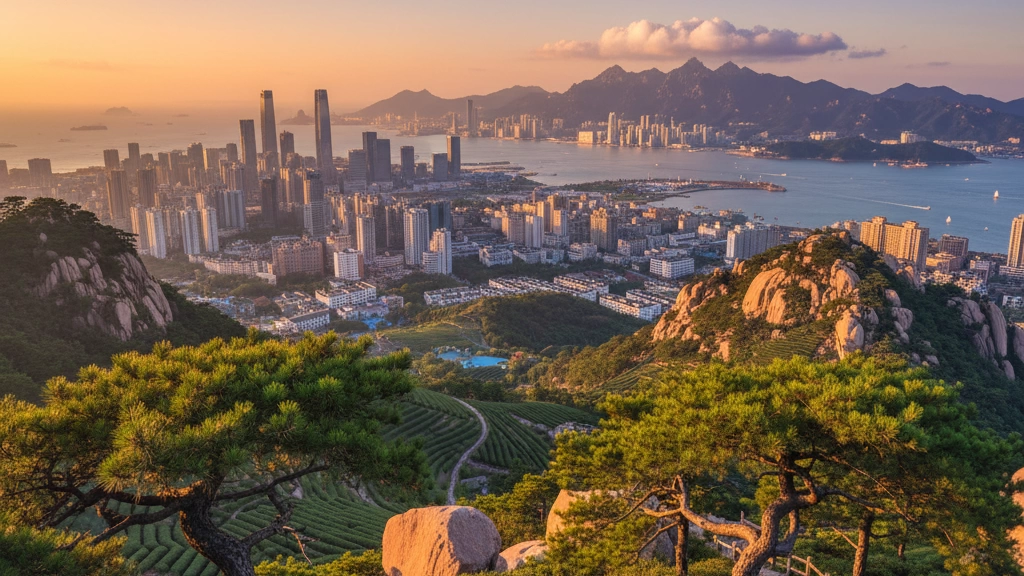
Coastal Granite Peaks and Dramatic Coastline
Mount Laoshan sits right on the Yellow Sea, so the whole mountain feels like it’s leaning over the water. Instead of soft forested hills, you get:
- Massive granite outcrops that glow pink-gold at sunrise and sunset
- Jagged coastal cliffs dropping straight into the sea
- Weathered boulders and stone steps carved into the slopes over centuries
On clear days, the Laoshan Mountain hiking trails give you that rare mix: sea on one side, layered peaks on the other. It’s one of the few places in China where you can hike real mountains and still smell the ocean.
Taoist Heritage and Quanzhen Origins
Mount Laoshan isn’t just a pretty hike. It’s one of the birthplaces of Quanzhen Taoism, a major Taoist school that shaped Chinese religious history.
Locals grow up with stories of:
- Immortals training on the cliffs and leaving mysterious footprints in the rock
- Hidden caves where masters meditated in silence
- Sacred springs, like the famous Immortal Spring Laoshan, said to produce especially pure water
When you walk through the Taoist temples around Taiqing Palace or Shangqing Palace, you’re not in a tourist “theme park.” Monks still live, study, and practice there. Incense smoke, bell sounds, and old stone courtyards give the whole mountain a grounded, lived-in spiritual feel.
Eco Attractions, Springs, and Local Laoshan Lore
I’ve built my own travel platform around authentic, sustainable experiences, and Mount Laoshan fits that idea perfectly. The area leans into eco-tourism rather than overbuilt commercial attractions.
What stands out:
- Natural mineral springs used for local bottled water and traditional wellness
- Clean mountain air compared to downtown Qingdao
- Protected forest zones with clearly marked trails and minimal litter (help keep it that way)
Locals will also happily tell you all kinds of quirky Laoshan lore, like:
- “This spring helps your skin.”
- “That rock looks exactly like a chessboard / turtle / old man.”
- “If you drink tea made with Laoshan water, you’ll never want anything else.”
It’s part myth, part marketing, and part genuine pride in their mountain.
Sunrise, Sea, and Photo-Worthy Views
If you care about photography — or just want that one shot that makes your friends ask where you went — Mount Laoshan Qingdao China delivers.
Expect:
- Sunrise over the Yellow Sea, with the sky washing from blue to orange over layered peaks
- Cloud-filled valleys on misty mornings, with temples peeking through the fog
- Crystal-clear days when you can see the coastline curve away for miles
Popular angles for photos:
- Granite stairways with the ocean in the background
- Taoist temple roofs framed by pine trees and rock walls
- Simple stone pavilions perched on cliffs, perfect for a wide-angle shot
Stand on the higher viewpoints, feel the wind off the sea, and it’s easy to understand why Taoist masters chose this place to chase immortality. For a convenient Qingdao day trip, Mount Laoshan gives you a real mix: geology, culture, and views that feel far bigger than the distance from the city.
Must-See Spots at Mount Laoshan Qingdao China
If you’re planning a day trip to Mount Laoshan Qingdao China, you’ll want to focus on a few key areas instead of trying to see everything at once. Below are the must-see spots I recommend first-time visitors from the US prioritize, plus how to link them together using a simple Laoshan scenic area map.
Jufeng Scenic Area & Summit Views
Jufeng is the main peak area and the best place for classic Jufeng Peak summit views over the Yellow Sea and Shandong’s coastal mountains.
- Take the Mount Lao cable car ride to save your legs, then walk the final stretches to the viewpoints.
- On clear days you get wide, open views of the sea, granite ridges, and Qingdao’s skyline in the distance.
- Trails range from paved walkways to steeper stair sections, so it works for both casual walkers and serious hikers.
- If you’re short on time, Jufeng gives you the most “wow” factor per hour.
Yangkou Beach Cliffs & Coastal Walks
Yangkou is where Laoshan Mountain hiking trails drop straight toward the sea, making it ideal if you want both cliffs and beach in one stop.
- Walk the Yangkou Beach coastal paths for dramatic rock formations, tide-watching, and family-friendly strolls.
- The terrain is easier here, so it’s a good choice if you’re traveling with kids, parents, or mixed fitness levels.
- If you want more seaside time before or after your Laoshan visit, compare it with other best Qingdao beach spots on my Qingdao beach guide.
Taiqing & Shangqing Taoist Palaces
For Taoist temples in Qingdao, Taiqing and Shangqing are the most important and the most atmospheric.
- Taiqing Palace is the big name: ancient halls, old trees, and springs linked to Quanzhen Taoism origins.
- Shangqing Palace is smaller and quieter but feels more secluded in the mountains.
- Look for landmarks like the Immortal Spring Laoshan and other sacred springs around the temple complexes.
- Plan at least 1.5–2 hours if you like history, architecture, or slow, mindful temple walks.
Beijiushui Valley Rivers & Waterfalls
If you love water and shade, head to Beijiushui Valley, one of the most relaxing parts of Mount Laoshan Qingdao China.
- Follow Beijiushui waterfalls Qingdao-style riverside paths, with clear pools and small cascades.
- Trails are mostly moderate, with stone paths and bridges that work well for families and casual hikers.
- In summer, this is one of the coolest, most refreshing spots in Laoshan thanks to the dense forest and running water.
Hidden Spots: Qipanshi, Liuqing, and Dengying
If you prefer off-grid exploring and quieter viewpoints, mix in a few lesser-known areas.
- Qipanshi: Granite slabs and broad views, great for sunrise and fewer crowds.
- Liuqing: More forest and streams, ideal if you like peaceful walking away from the main tourist flow.
- Dengying: Steeper, more rugged paths that appeal to experienced hikers looking for a less polished feel.
These areas don’t always have as much English signage, so they’re better if you’re comfortable with basic navigation apps and some improvising.
Using a Laoshan Scenic Area Map to Plan One Trip
To make your visit efficient, use a Laoshan scenic area map (paper or app-based) before you go and pick 2–3 clusters:
- Pair Jufeng Scenic Area + Taiqing Palace for a “mountain + Taoist culture” combo.
- Choose Yangkou Beach + coastal trails if your priority is sea views with light hiking.
- Go for Beijiushui Valley + one hidden spot if you want nature, rivers, and fewer crowds.
- Check the official Laoshan map or navigation apps for shuttle routes, cable car stations, and gate locations so you’re not wasting time backtracking.
If you want to tie your Laoshan plan into a bigger Qingdao trip, I’d suggest matching it with other top stops from my Qingdao attractions guide to build a simple 2–3 day coastal itinerary.
Hiking Trails and Adventures on Mount Laoshan Qingdao China
I treat Mount Laoshan like my backyard adventure park, and I usually break the Laoshan Mountain hiking trails into three levels so travelers from the U.S. can match the route to their energy, time, and comfort.
Easy Laoshan Hiking Near Yangkou
If you want a relaxed intro to Mount Lao with big scenery and low effort, start at Yangkou Beach:
- Yangkou Beach coastal walks: Paved paths and gentle stone steps wrap around the cliffs, with constant sea views and photo spots. It feels more like a scenic boardwalk than a “serious” hike.
- Short loops from the parking lots: Expect 30–90 minute loops with light elevation gain that still give you classic Shandong coastal mountains, granite boulders, and ocean panoramas.
- Family-friendly: Railings, clear signs, and frequent rest areas make this area ideal if you’re jet‑lagged, traveling with kids, or just easing into China hiking culture.
Moderate Beijiushui Riverside Trails
Beijiushui is my pick if you want that “national park” feel without pushing into full-on endurance mode:
- Riverside paths: Well-marked trails follow the clear Beijiushui River, with stone stepping paths and small bridges. You’ll pass pools, mini gorges, and the Beijiushui waterfalls (a top “Beijiushui waterfalls Qingdao” highlight).
- Swimming and foot-soak stops: In warm months, locals wade into calm sections of the river. Bring quick-dry sandals and a small towel if you want to cool off.
- Trail time: Plan 2–4 hours for easy-to-moderate loops. Elevation gain is steady but not brutal, making it ideal for active travelers who still want energy left for dinner back in Qingdao.
Strenuous Jufeng Summit Routes
For serious hikers, Jufeng Peak is where Mount Laoshan earns its reputation:
- 18 Pans stairs: This steep staircase section is the most talked-about climb on Jufeng. It’s all about slow, steady pacing and frequent water breaks.
- Summit routes and Jufeng Peak summit views: Clear days reward you with sweeping views of the Yellow Sea, rolling granite ridges, and the full scale of mount laoshan qingdao china. Plan 4–6 hours for a round-trip hike depending on your route and fitness.
- Mount Lao cable car ride: If you want the views without crushing your legs, use the cable car to skip the toughest elevation, then hike shorter segments on the upper ridge. I often recommend this combo for U.S. visitors with only one full day.
Accessibility, Shuttles, and Navigation
I design Laoshan plans so you don’t waste time figuring out transport on the fly:
- Cable cars and electric shuttles: Most key scenic areas (like Jufeng and Beijiushui) have internal shuttle buses and, in some zones, electric carts. They cut down walking between trailheads and save energy for the actual hikes.
- Laoshan scenic area map: Pick up the paper map at the gate and pair it with your phone. Together they’re more reliable than either one alone.
- App-based navigation: Gaode Maps (Amap) and Baidu Maps work best locally. For U.S. travelers, I suggest downloading offline maps and pinning trailheads, parking lots, and cable car stations before you go so you’re not stuck if cell service drops.
Best Seasons for Mount Laoshan Hiking
The best time to visit Mount Lao depends on the experience you want:
- Spring (April–May): Cool, comfortable hiking temps and greener slopes. Great for longer routes like Jufeng without overheating.
- Fall (late September–November): My top choice—clear air, stable weather, and colorful foliage in Beijiushui Valley.
- Summer: Hot and humid but lush. Start early, stick to shaded river trails, and plan mid-day breaks.
- Winter: Quieter, with the chance of light snow on the granite peaks. Trails can be icy—better for experienced hikers only.
I always tell visitors to check a reliable Qingdao weather forecast before locking in hiking days, because coastal winds and fog can change visibility and comfort quickly. Use a local resource like the updated guide at Qingdao weather to plan your Mount Laoshan days.
Safety Essentials on Laoshan Granite Trails
Granite trails at Mount Laoshan are beautiful but demand respect, especially if you’re used to U.S. national parks with more guardrails and warning signs:
- Footwear: Wear real hiking shoes or sturdy trail runners with good grip; polished stone steps get slick in rain, mist, or spilled spring water.
- Hydration and snacks: Carry more water than you think you need. Refill at shops near major temples and springs like the famous Immortal Spring Laoshan areas, but don’t rely on them being open late.
- Weather awareness: Fog, wind, and sudden showers are common. Pack a light rain jacket, sun protection, and a warm layer—even in shoulder seasons.
- Pacing and altitude: While Mount Laoshan isn’t high compared to U.S. Rockies, the stairs are relentless. Take breaks, especially on the 18 Pans, and don’t feel forced to keep up with fast local hikers.
- Trail etiquette: Stay on marked paths, respect Taoist temple zones you pass along the way, and avoid climbing on unfenced granite outcrops for photos.
If you’re coming from the U.S. and want to fit Mount Laoshan into a short China itinerary, these routes and tips will let you stack big views, real hiking, and safe logistics into one efficient Qingdao day trip.
Getting To and Around Mount Laoshan from Qingdao
How to get from Qingdao city center to Mount Laoshan
From downtown Qingdao, you’ve got three simple options to reach Mount Laoshan (Mount Lao):
-
Public bus (budget-friendly)
- Look for city buses or tourism buses marked for Laoshan Scenic Area, usually heading to Jufeng, Yangkou, or Beijiushui gates.
- Expect about 1–1.5 hours from central Qingdao depending on traffic.
- Best for: solo travelers and backpackers who don’t mind slower, more local-style travel.
-
Taxi or ride-hailing (fast and flexible)
- Grab a licensed taxi or use popular ride-hailing apps once you’re in China.
- From downtown Qingdao to major Laoshan entrances: usually 40–70 minutes depending on where you start.
- This is the easiest option if you’re staying in central areas you’ll likely visit anyway, like those covered in this Qingdao city overview and planning guide.
-
Organized tour (low-effort)
- Many Qingdao day trip tours to Laoshan include hotel pickup, entrance tickets, and an English-speaking guide.
- Great if you want a one-and-done solution with minimal planning, especially on a tight schedule.
Airport and high-speed rail connections to Laoshan
If you’re flying or coming in by train, you can reach Mount Laoshan without going deep into the old city first:
-
From Qingdao Jiaodong International Airport
- Take an airport bus or metro + taxi toward Laoshan District, then grab a cab to the scenic area entrance you choose.
- Direct taxi from the airport to Laoshan: usually 1–1.5 hours, depending on traffic and which gate you pick.
-
From Qingdao North or Qingdao Station (high-speed rail)
- Both stations have strong metro and bus connections.
- Route idea: Metro or bus into Laoshan District → taxi or rideshare to Jufeng, Yangkou, or Beijiushui.
- Total travel time: about 1–1.5 hours after you leave the station.
Ticket prices and on-site transport inside Mount Laoshan
The Laoshan Scenic Area is broken into several zones (like Jufeng, Yangkou, and Beijiushui), each with its own ticket:
-
Entrance tickets
- Expect a base entrance fee per scenic area, with discounts for students, kids, and seniors (bring ID).
- Peak season (usually late spring–early fall) can be slightly pricier than off-season.
-
Shuttle buses & on-site transport
- Each gate typically offers mandatory or semi-mandatory shuttle buses from the ticket office to trailheads or cable car stations.
- You’ll pay a separate shuttle fee (round trip or one way, depending on route).
- Distances inside are longer than they look on the map, so plan on using these shuttles unless you like long road walks.
-
Cable cars
- Popular around Jufeng Peak and some other high viewpoints.
- Cable car tickets are not included in the base entrance; you buy them separately at the station.
- Ideal if you want summit views but don’t want a full-on stair climb.
Use a Laoshan scenic area map (you’ll see them at the entrances and can often scan QR codes) to link your transport choices and avoid backtracking.
How to avoid peak-season queues at Laoshan entrances
If you’re visiting during Chinese holidays or summer weekends, crowds are real. Here’s how I’d handle it:
-
Arrive early
- Aim to hit the gate right at opening time. Morning light is better, temps are cooler, and lines are way shorter.
-
Buy tickets ahead when possible
- When local apps or your hotel/front-desk help you pre-book, you skip a good chunk of the line at the ticket window.
-
Pick less-crowded entrances
- Yangkou and some secondary gates are usually calmer than the most famous main entrances.
- If you care more about hiking and sea views than checking off every temple, this move can save you time.
-
Avoid national holidays
- Try not to come on Golden Week, May Day, or Chinese New Year if you want fewer lines and more open trails.
Eco-friendly travel and self-driving tips
If you’re coming from the US, you might be used to driving everywhere. At Mount Laoshan, I push for a mix of convenience and low impact:
-
Eco-friendly choices
- Use buses, metro, and shared shuttles as much as you can.
- Stick to marked trails to protect fragile vegetation on the granite slopes.
- Bring a refillable bottle and use public water where safe instead of buying multiple single-use bottles.
-
Self-driving & parking
- There are large parking lots near major Laoshan gates; you usually park once and then switch to scenic shuttles inside.
- Arrive early on weekends and holidays—lots can fill by late morning.
- Don’t leave valuables visible in your car; treat it like any busy tourist area in the States.
If you’re planning a full Qingdao stay with Mount Laoshan as a highlight, I’d line it up with other coastal spots using a solid Qingdao travel guide for neighborhoods, beaches, and transit so you’re not doubling back across the city.
Savoring Mount Laoshan: Food, Tea, and Culture
Mount Laoshan isn’t just about hiking. It’s one of those rare places where you can walk a coastal trail, drink fresh mountain tea, then sit down to a simple but seriously good local meal—all in the same afternoon.
Laoshan Green Tea Plantations & Tastings
Laoshan green tea is the quiet star of the mountain. The cool sea breeze, granite soil, and misty slopes give the leaves a clean, slightly sweet taste that’s very different from grocery-store green tea in the U.S.
Here’s what you can do on-site:
- Walk tea plantations near Taiqing and Beijiushui areas
- Join a short tea tasting in family-run tea houses
- Watch a basic tea ritual (how locals brew and pour Laoshan tea)
What to expect:
- Flavor: fresh, grassy, slightly nutty, not bitter if brewed right
- Experience: simple wooden rooms, low-key vibe, no pressure if you just want to taste
- Who it suits: anyone into matcha, loose-leaf, or just curious about where real tea comes from
Typical prices:
- Tea tasting: often free with purchase or about ¥20–¥40 (~$3–$6)
- Good Laoshan green tea to take home: ¥80–¥200 per 100g (~$12–$30), depending on grade
If you’re into the story behind local food and drink, there’s helpful background on Taoism, tea, and local customs in this concise guide to Qingdao’s culture and traditions.
Local Mount Laoshan Dishes
Food around Mount Laoshan is simple, plant-forward, and light—great after a long hike. Most spots near the gates and villages will have similar menus.
Common local dishes:
- Laoshan vegetable noodles – hand-pulled or knife-cut noodles in a mild broth
- Wild herb soups – made with seasonal mountain greens, often very light and clean
- Homemade tofu – soft, fresh, often served with light soy sauce, scallions, and chili
- Seafood from nearby Qingdao – clams, small fish, and shrimp, usually steamed or stir-fried
Approximate prices:
- Noodle bowls: ¥20–¥35 (~$3–$5)
- Tofu and veggie dishes: ¥25–¥45 (~$4–$7)
- Simple seafood plates: ¥60–¥120 (~$9–$18), depending on size
If you’re planning to stay in Qingdao and want to compare mountain food with city options, there’s a solid overview of local dishes and where to try them in this guide to Qingdao food and specialties.
Easy Cultural Experiences: Meditation, Temples, Tea-Picking
You don’t need to be super spiritual or know Taoism to enjoy the cultural side of Mount Laoshan. Most activities are short, relaxed, and very beginner-friendly.
Realistic options for U.S. travelers:
- Temple visits
- Walk through historic Taoist temples like Taiqing or Shangqing
- Burn a small stick of incense, read brief English signs, enjoy the courtyards
- Light meditation sessions (when available)
- Short, guided breathing or sitting practice
- Usually held in side halls or small retreat rooms
- Seasonal tea-picking workshops
- Go into the tea fields with a local grower
- Learn how to pick leaves and see basic processing steps
- Sometimes finished with a quick tasting at the farmhouse
Typical costs:
- Temple entrance (if separate from scenic ticket): ¥10–¥30 (~$1.50–$5)
- Simple meditation or cultural session: ¥50–¥100 (~$7–$15)
- Tea-picking or tea workshop: ¥80–¥200 per person (~$12–$30), depending on length and group size
What You’ll Likely Spend on Food & Culture in a Day
For a normal, no-luxury, no-backpacking type day at Mount Laoshan:
- Mountain lunch + snacks: ¥60–¥120 (~$9–$18) per person
- Tea tasting + small pack of decent tea: ¥120–¥220 (~$18–$33)
- One cultural add-on (tea-picking, meditation, or similar): ¥80–¥150 (~$12–$22)
Total realistic range: ¥260–¥490 (~$40–$75) per person for a full “food, tea, and culture” day on top of your park ticket and transport.
If you like building trips around what you eat and drink, Mount Laoshan hits a sweet spot: strong local identity, fair prices, and experiences that feel authentic without being over-produced.
Practical Mount Laoshan Day Trip Planner (from Qingdao)
Planning a Mount Laoshan day trip from Qingdao is very doable, even if you’re short on time. Here’s a simple, US-friendly breakdown so you know what it’ll cost, what to pack, and how to move around without stress.
Sample Budget: Mount Laoshan Day Trip From Qingdao
Rough full-day budget per adult (from downtown Qingdao):
- Transport:
- Metro + public bus: $4–$8 round trip
- Didi/taxi (round trip): $30–$60 depending on distance and traffic
- Entrance tickets (varies by area, high/low season):
- Main Laoshan scenic area ticket: about $10–$20
- Cable car (Jufeng or other peaks, round trip): $15–$25
- On-site shuttle buses: $3–$8
- Food and drinks:
- Simple local lunch near the mountain: $5–$10
- Nicer seafood/Laoshan specialty meal: $15–$30+
- Snacks, water, coffee: $3–$10
- Extras:
- Tea, small souvenirs, fridge magnets, etc.: $5–$20
- Temple donation/incense (optional): $1–$5
Realistic total for a comfortable day:
- Budget style: $35–$60
- Mid-range with cable car and nicer lunch: $60–$100+
For more real-world transport and price context, I’d cross-check with a current local resource like the Qingdao-focused info on qingdaotravelguide.com before you lock in your plan.
Weather And Best Seasons For Mount Laoshan
Mount Laoshan is a coastal mountain, so weather changes quickly. From a US traveler perspective, think “New England by the ocean, but with higher peaks.”
- Best seasons:
- Spring (April–June): Mild, green, great visibility. Light layers and a windbreaker work well.
- Fall (September–early November): Clear skies, fall colors, cooler but comfortable for hiking.
- Summer (July–August):
- Hot and humid, with strong sun and possible afternoon showers.
- Great for Beijiushui riverside trails and short hikes, but start early and hydrate.
- Winter (late November–March):
- Cold, windy, and sometimes icy on higher trails.
- Beautiful clear views if you’re prepared for chill and possible snow/ice on granite.
Quick weather tips:
- Mornings and evenings are cooler, even in summer.
- Fog can roll in fast—don’t rely on views only; enjoy the temples, tea, and coastline too.
- Always check the forecast the night before; if you’re unsure, your hotel or sites like Qingdao Travel Guide usually have updated local details.
What To Pack For Mount Laoshan’s Coastal Mountain Weather
Keep it light but smart. For a one-day Laoshan hike:
Essentials:
- Small daypack (15–20L)
- Refillable water bottle (at least 1–1.5L per person; more in summer)
- Light snacks: nuts, energy bars, fruit
- Phone + power bank
- Cash + bank card (some spots may be QR-pay focused; cash is still handy)
Clothing:
- Comfortable walking or light hiking shoes with good grip (granite can be slick)
- Breathable T-shirt + light long-sleeve layer
- Light windbreaker or shell (wind near the sea can be strong)
- Hat, sunglasses, sunscreen (UV is strong by the coast)
- In cooler months:
- Fleece or insulated mid-layer
- Thin gloves and beanie for higher peaks/cable cars
Optional but useful:
- Light rain jacket or poncho
- Small towel or bandana
- Basic first-aid: band-aids, blister pads, pain reliever
- Packable umbrella if rain is in the forecast
Accessibility, Family-Friendly Facilities, And Pets
Laoshan works well for mixed groups—serious hikers, casual walkers, and families.
Accessibility:
- Cable cars and scenic buses cut down steep climbing.
- Main scenic areas have:
- Paved paths or stone steps in many sections
- Railings on the more popular routes
- If someone in your group has limited mobility:
- Stick to areas close to cable car stations and main plazas.
- Confirm ramp/elevator access at specific stations or temples before you go.
Family-friendly features:
- Short, easy walks near Yangkou Beach and some temple areas
- Public restrooms at main entrances, bus stops, and key viewpoints
- Snack stalls and small restaurants near popular viewpoints
- Keep kids away from unfenced cliff edges and wet rocks—granite + water = slippery
Pet policies:
- Official rules can change, but in general:
- Pets may not be allowed inside some temple grounds or indoor areas.
- On main scenic trails, dogs may need to be leashed and might be restricted on buses/cable cars.
- If you’re considering bringing a dog:
- Check up-to-date rules on a current local resource or ask your hotel to confirm.
- Bring your own waste bags and water bowl.
Sustainable Travel And Leave-No-Trace At Mount Laoshan
Laoshan is both a sacred Taoist site and a fragile coastal mountain ecosystem. Treat it like a national park back home.
Simple, high-impact habits:
- Pack in, pack out:
- Carry a small trash bag and take all your waste back out with you.
- Avoid single-use plastics where possible; refill a bottle instead.
- Stay on marked trails:
- Don’t shortcut switchbacks or climb into closed rock areas.
- Granite and coastal plants are easily damaged and slow to recover.
- Respect temples and culture:
- Dress modestly in temple zones (cover shoulders and avoid super short shorts).
- Keep noise down, especially in prayer halls and meditation areas.
- Wildlife and nature:
- Don’t feed animals or fish.
- Don’t pick wild plants, herbs, or flowers.
- Transport choices:
- Use metro + public bus or shared rides when possible to cut emissions.
- If you drive, park once and use the internal shuttle buses instead of moving the car all day.
If you plan with these basics—budget, weather, gear, access, and low-impact habits—you’ll get a smooth, memorable day on Mount Laoshan without feeling rushed or overwhelmed.