Best Time to Visit Shanghai: Weather, Crowds, and Events
Wondering when is the best time to visit Shanghai? Whether you’re trying to avoid crowds or catch the city during its lively festivals, timing matters. Here’s what you need to know.
Weather by Season
-
Spring (March to May):
An ideal time with mild temperatures and blooming flowers. Expect highs around 65-75°F. Perfect for sightseeing and exploring outdoors.
-
Summer (June to August):
Hot and humid, with temperatures often over 85°F. Watch out for humidity and occasional rain. Great for indoor attractions or taking a dip at local pools.
-
Fall (September to November):
Cooler and comfortable, with clear skies. Temperatures hover around 60-75°F. This season is fantastic for walking around the Bund or visiting parks.
-
Winter (December to February):
Cold, sometimes below freezing, but usually dry. Less crowded and cheaper hotels. If you like seasonal festivals or Chinese New Year, winter is worth considering.
Crowds and Peak Travel Times
-
High Season:
Spring (April-May) and fall (September-October) are peak times when many tourists visit Shanghai. Expect bigger crowds, especially at major attractions like the Oriental Pearl Tower and Yu Garden.
-
Off-Peak:
Winter (December-February) has fewer visitors, which means easier access to popular spots and better deals on hotels.
Major Festivals and Events
-
Chinese New Year (January/February):
Celebrations fill the city with fireworks, lion dances, and special events. Hotels fill up fast, so book early.
-
Shanghai International Film Festival (June):
A great time to catch film premieres and celebrity sightings.
-
Mid-Autumn Festival & Lantern Festival:
Usually in September or October, featuring lantern displays, traditional performances, and mooncakes.
-
Shanghai Auto Show (April):
For automotive enthusiasts—note that places may be crowded during the show.
What to Pack for Shanghai
-
Spring & Fall:
Light layers, a sweater or jacket, comfortable walking shoes, and an umbrella.
-
Summer:
Lightweight clothing, sunglasses, sunscreen, and a hat.
-
Winter:
Warm coat, hat, gloves, and thermal layers.
-
All Seasons:
Power adapter for Chinese outlets and a reusable water bottle.
Planning your trip around the best time to visit Shanghai can help you avoid the crowds, enjoy favorable weather, and participate in exciting festivals. Whether you prefer spring blooms or winter serenity, Shanghai has something special to offer year-round.
How to Get to Shanghai: Pudong Airport vs Hongqiao Airport
Getting to Shanghai is straightforward, but choosing the right airport depends on your plans. Shanghai has two main airports:
| Pudong Airport (PVG) | Hongqiao Airport (SHA) |
|---|---|
| Major international hub | Mainly domestic flights |
| Handles most international flights | Popular for short domestic trips |
Pudong Airport is the primary arrival point for travelers coming from overseas. It has more international flight options, so if you’re flying directly from the US or Europe, chances are you’ll land here. From the airport to the city center, you can take the Maglev train, which is the fastest way—reaching speeds up to 430 km/h. There are also buses, taxis, and ride-sharing options like Didi.
Hongqiao Airport primarily serves domestic flights but also has some international routes, especially to nearby Asian countries. It’s located closer to the city’s western districts, making it quick to reach if you’re staying around Jing’an or the French Concession areas.
International Flights and Common Routes
Popular routes from the US fly into Pudong Airport with airlines like American, Delta, and United. If flying from Europe, airlines such as Lufthansa or Air France also commonly land in Pudong. For regional travel, many choose Hongqiao for quick access to nearby cities.
Visa Requirements and Transit Rules
Most travelers from the US need a valid visa to enter China, but Shanghai offers a 144-hour visa-free transit for certain nationalities, including Americans, if you have onward arrangements. This allows you to explore Shanghai without a visa if you’re just passing through. Be sure to check updated transit rules before your trip to avoid entry issues—more on that at Shanghai visa requirements.
Customs and Entry Tips
- Fill out the customs declaration form accurately.
- Prepare your passport, visa, and arrival card together.
- Keep your documents handy; airport staff may ask to see proof of onward travel.
- Wear comfortable clothes as you’ll go through security and immigration.
Whether arriving at Pudong or Hongqiao, planning ahead helps make your trip smoother. For detailed tips on customs and entry, visit official resources or travel guides.
Getting Around Shanghai
Getting around Shanghai is pretty straightforward once you know your options. The Shanghai metro system is the easiest and fastest way to explore the city, with over 16 lines covering major districts. You can grab a Shanghai metro map online or via travel apps to plan your route easily. Taxis and Didi rideshares are widely available and convenient, especially if you’re traveling with luggage or late at night.
For those looking to get a bit more active, biking and scooter rentals are popular choices, especially around neighborhoods like the French Concession. You can rent bikes via mobile apps or bike-sharing stations—perfect for short distances or scenic rides.
The Maglev train, running from Pudong Airport to the city center, is one of the fastest ways to transfer from the airport—reaching speeds of 268 mph. It’s a cool experience and makes for a quick transfer if you’re heading into the city.
To make your trip smoother, download travel apps like Metro Shanghai, Didi, and local ride-hailing services, which often offer options for day passes or travel cards. These tools help you navigate efficiently and save on transportation costs. Whether you’re heading to popular landmarks or exploring lesser-known spots, knowing your transit options makes all the difference.
Where to Stay in Shanghai: Best Areas and Accommodation Options
Choosing where to stay in Shanghai depends on your travel style and budget. The city has many lively neighborhoods with unique vibes. Here’s a quick look at the best areas and hotel options.
| Area | Best For | Popular Hotels | Price Range |
|---|---|---|---|
| The Bund | Night views, luxury seekers | Waldorf Astoria, Fairmont Peace Hotel | Luxury, Mid-range |
| French Concession | Shopping, dining, culture | The Portman Ritz-Carlton, Green House Hotel | Mid-range, Luxury |
| Jing’an | Business, nightlife, central | Andaz Xintiandi, Jin Jiang Hotel | Budget to Luxury |
| Pudong | Business hub, skyline views | Shanghai InterContinental, Radisson Blu | Luxury, Mid-range |
Budget-Friendly Options
- Hostels and boutique hotels often start around $30-50 per night
- Good budget hotels include Jinjiang Inn and Hanting Express
Mid-Range Choices
- Mid-tier hotels offer comfort and amenities for about $80-150 nightly
- Popular picks are Hyatt Regency and Radisson Park Inn
Luxury Hotels
- For upscale stays, look for top brands like Four Seasons or Mandarin Oriental
- Prices typically range from $200 and up per night
Pro Tip:
Stay near The Bund if you want iconic skyline views, or pick French Concession for a chill vibe with local eateries and boutique shops. If you’re in town for business, Jing’an offers easy access to business districts.
For the best experience, consider booking well in advance, especially if visiting during peak seasons. Learn more about top hotels and the best neighborhoods by exploring options on dedicated travel sites or Shanghai hotel guides.
Top Things to Do in Shanghai
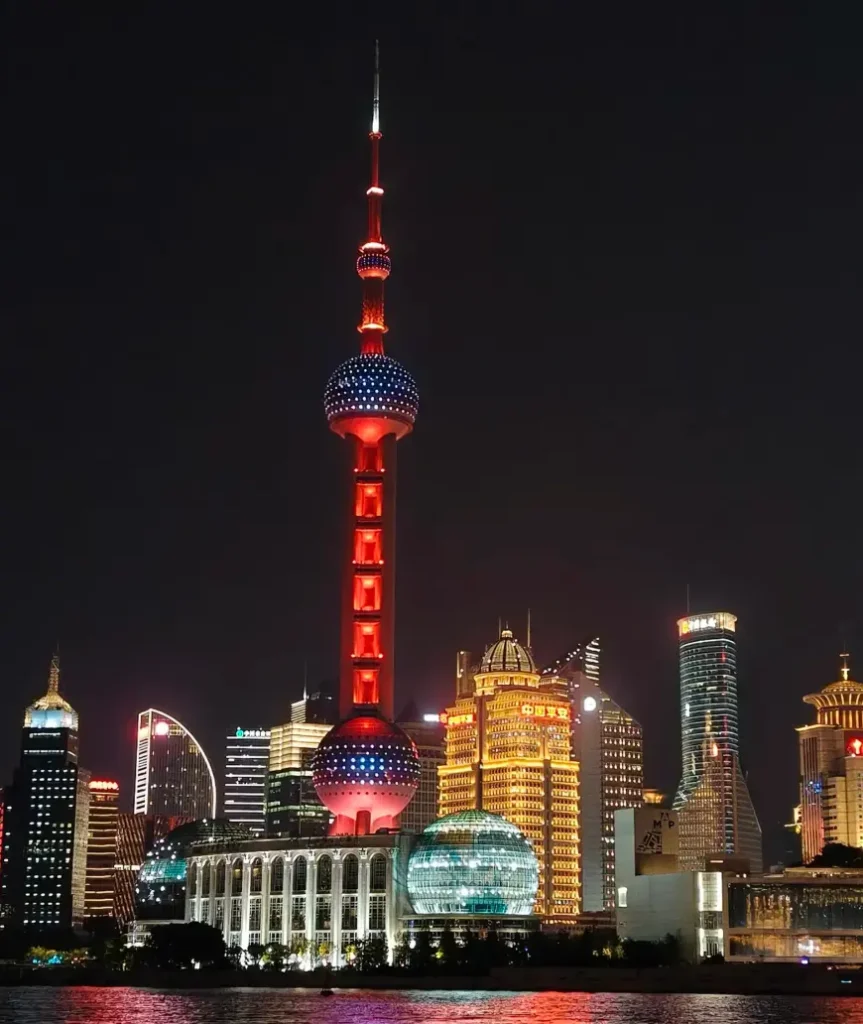
When visiting Shanghai, there are several must-see attractions that capture the city’s unique mix of old and new. The Bund is a must for stunning skyline views at night, especially when lit up against the Huangpu River. For a panoramic view of Shanghai, the Oriental Pearl Tower offers breathtaking cityscapes, and you can even visit its observation deck for a once-in-a-lifetime experience. Yu Garden is a peaceful retreat in the heart of the city, where traditional Chinese architecture and beautiful landscapes create a perfect escape from the buzz of urban life.
Nanjing Road is Shanghai’s premier shopping street — it’s bustling day and night with shops, malls, and street performers. Tianzifang, with its maze of narrow alleys, is a hub for boutique shops, art galleries, and cafes, perfect for exploring local art and culture. Art lovers should check out M50 Art District, home to contemporary galleries and studios housed in old factory buildings. For a day trip outside the city, Zhujiajiao Water Town offers picturesque canals, old bridges, and traditional Chinese architecture, making it a charming side trip from Shanghai.
If you’re interested in exploring more cultural sites or planning a full itinerary, consider visiting some nearby areas with rich history and vibrant street life. These experiences truly make Shanghai a city worth discovering, whether you’re into architecture, shopping, art, or just soaking up local vibes.
Shanghai Food Guide
If you’re visiting Shanghai, exploring the local food scene is a must. From iconic dishes to vibrant street food, the city is a melting pot of flavors.
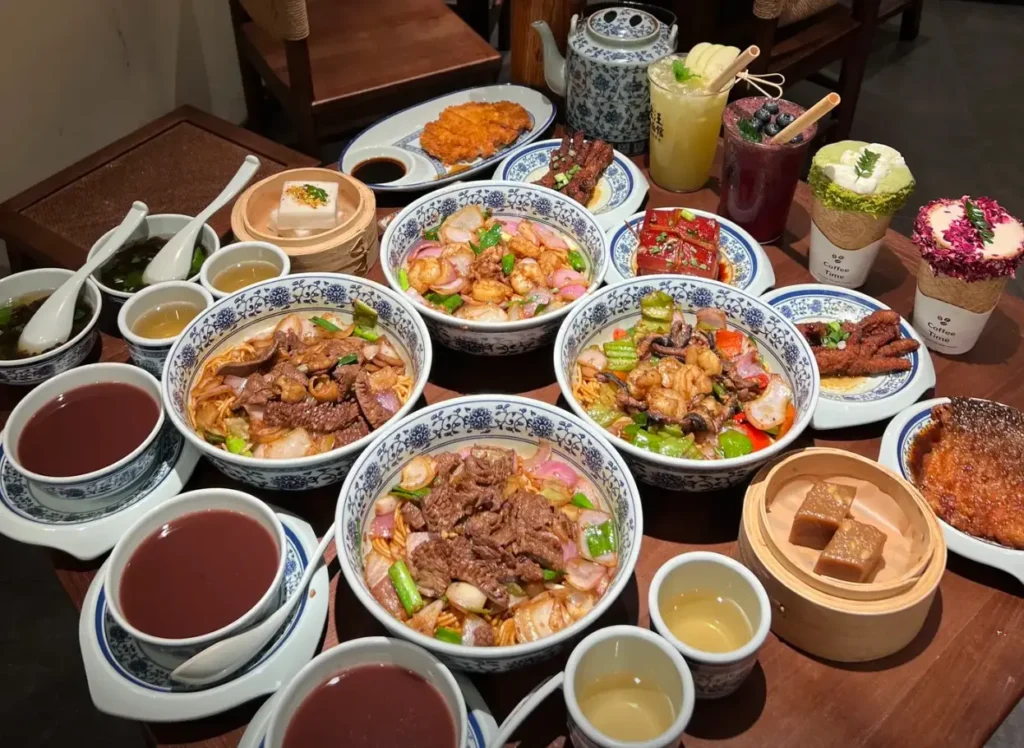
Must-Try Local Dishes
Some of the top dishes you shouldn’t miss include Xiao Long Bao (soup dumplings), Shanghainese Sanghai-style noodles, and Hong Shao Rou (braised pork). These are traditional favorites that truly showcase Shanghai’s culinary heritage.
Shanghai Street Food
Street food in Shanghai is lively and affordable—perfect for grabbing a quick bite. Popular options include sticky rice cakes, Jianbing (Chinese crepes), and skewered meats. You’ll find street vendors all over the city, especially in areas like Yuyuan Garden and the food markets near Nanjing Road.
Best Food Streets and Night Markets
For a culinary adventure, visit Scroll Street and Huanghe Road, known for their bustling night markets and street stalls. These spots offer everything from snacks to fresh seafood. The Shouning Road Food Street is also famous for local eats and vibrant atmospheres.
Vegetarian and Vegan Options
Shanghai’s restaurant scene has become more plant-based friendly. Many places offer vegetarian and vegan versions of local dishes, especially in areas like the French Concession. International cafes and dedicated vegan restaurants — like Veggie Table — are also widely available.
Top Restaurants and Reservations
For fine dining, check out renowned spots such as Ultraviolet or M on the Bund. Due to popularity, it’s wise to make reservations ahead of time. Local favorites like Din Tai Fung offer consistent quality and are easier to book. For a comprehensive list, see our Shanghai food guide for top picks and tips.
Perfect Shanghai Itineraries
Planning your trip gets easier with tailored Shanghai itineraries that suit your travel style. Whether you have just one day or several, I’ve put together options to help you make the most of your time in this vibrant city.
1-Day Shanghai Itinerary
If you’re limited on time, focus on the highlights. Start your morning at the iconic The Bund for stunning skyline views. Then, head to the Oriental Pearl Tower for panoramic city sights—height-wise, it’s impressive, standing at 468 meters. Spend the afternoon exploring Yu Garden and nearby marketplace for a taste of old Shanghai. Finish with a stroll along Nanjing Road at night to experience the bustling shopping scene.
3-Day Shanghai Itinerary
With three days, dive deeper. Day 1 covers the city’s must-sees: The Bund, Oriental Pearl Tower, Yu Garden, and Nanjing Road. On Day 2, explore the trendy French Concession neighborhood for charming streets and boutique shops. Spend the afternoon at the M50 Art District or visit Zhujiajiao Water Town, just outside the city for a charming water village experience. Day 3 can include a visit to the Shanghai Tower or Shanghai Museum and a walk through Jing’an Temple.
7-Day Shanghai Itinerary
For an immersive experience, extend to a week. Start with the classic spots, then weave in day trips to nearby cities like Hangzhou or Suzhou. These are famous for their waterways and traditional gardens—perfect for a day outside the city. Spend your last days relaxing at a luxury hotel on the Pudong side or exploring more local neighborhoods. This allows you to enjoy Shanghai’s mix of modern skyscrapers and historic sites at a relaxed pace.
Travel Plans for Families, Solo Travelers, and Couples
- Families: Focus on interactive spots like the Shanghai Disney Resort or Shanghai Ocean Aquarium.
- Solo Travelers: Enjoy the vibrant street food scenes and join local tours around the city’s art districts.
- Couples: Romantic walks along the Bund at night, or a cruise on the Huangpu River, make for memorable experiences.
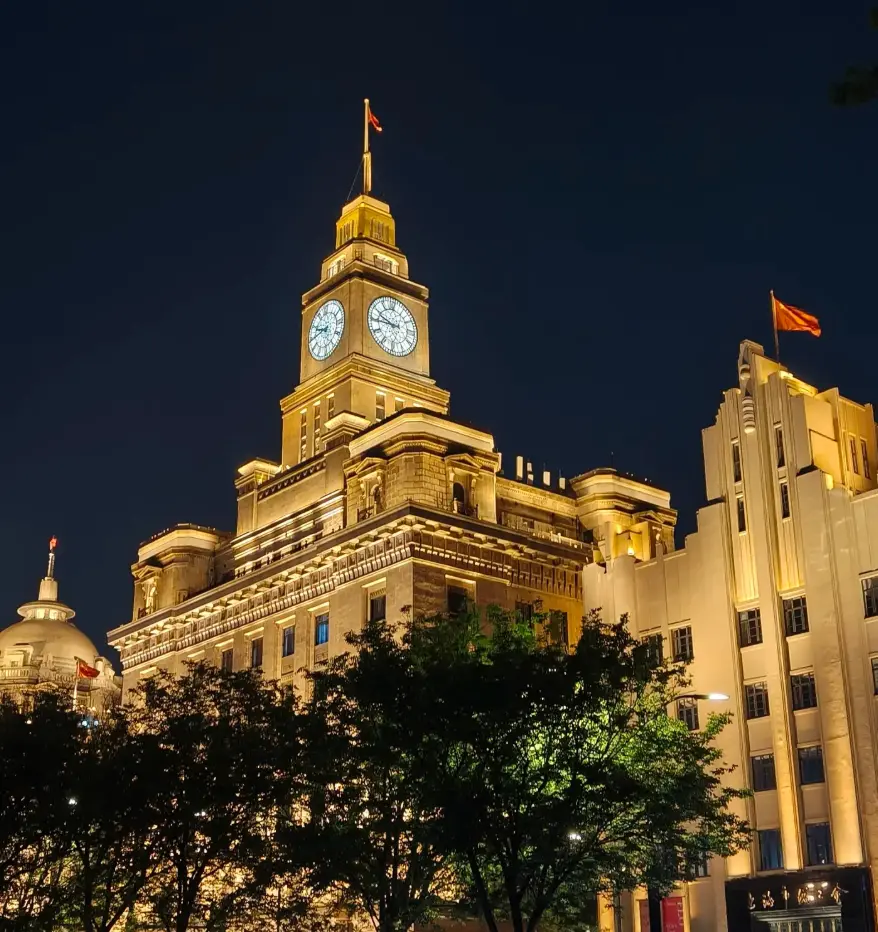
Shanghai Side Trips
Side trips from Shanghai are a great way to see more of China’s rich culture. Popular options include visiting Zhujiajiao Water Town for its ancient canals, or exploring Qingdao for its beautiful beaches and beer culture—all easily accessible via high-speed rail. Check out this guide to Qingdao’s weather before planning your beach day!
No matter your travel style, these itineraries make sure you hit the top attractions and hidden gems, ensuring a memorable trip to Shanghai.
Shanghai on a Budget
Traveling in Shanghai doesn’t have to break the bank. With some smart tips, you can explore the city without overspending. Daily travel costs can be low if you use public transportation and stick to budget-friendly eats. Many attractions, like Yu Garden or the Bund, offer free entry or have free areas to enjoy, making it easy to experience Shanghai without extra costs.
Money-Saving Tips for Shanghai
- Use the Shanghai metro map to navigate the city efficiently and cheaply. It’s fast, safe, and covers most major sights.
- Shop at local markets and street food stalls for affordable, delicious meals. Street food vendors in areas like Tianzifang or near Nanjing Road dish out authentic Shanghai street food at great prices.
- Take advantage of free attractions like the People’s Park or the waterfront parks with stunning views of the skyline.
How to Stay Connected
- Get a local SIM card or eSIM, which is usually cheaper than international roaming. Providers like China Mobile and China Unicom offer tourist packages that include data and calls.
- Use ATMs for cash instead of currency exchange counters, often offering better rates and lower fees. Plan ahead to withdraw enough cash for your entire stay to avoid multiple fees.
Convenient Payments in Shanghai
- Most shops, restaurants, and even street vendors accept Alipay and WeChat Pay, which are widely used in China. Setting up these apps before your trip can save you time and currency exchange fees.
- If you prefer cards, ensure your credit card is accepted widely, but be aware that cash is still king in many small businesses.
Traveling cost-effectively in Shanghai is all about smart planning and leveraging the city’s convenience. Planning ahead on transport, meals, and payments can maximize your experience without stretching your budget.
Practical Tips for Shanghai Travelers
Whether this is your first trip or your tenth, a few practical tips can make your Shanghai travel experience smoother. From safety advice to cultural respect, here’s what you need to know.
Safety Tips
Shanghai is generally very safe for tourists, but it’s always wise to stay alert, especially in crowded areas like Nanjing Road or The Bund at night. Keep an eye on your belongings and avoid displaying expensive electronics openly. Emergency numbers are the same as the US (110 for police), but it helps to have a local SIM card or portable Wi-Fi device.
Language Tips
While many young locals speak some English, Mandarin Chinese is the official language. Download a translation app or carry a phrasebook to help with basic communication. Learning simple phrases like “Hello,” “Thank you,” and “Where is…?” can be very helpful, especially if you want to explore places like the French Concession Shanghai or visit local markets.
Internet and VPN Access
The Great Firewall of China blocks popular Western websites, so having a VPN is essential for browsing social media, Google, or accessing any blocked sites. Many travelers use VPN services, available through app stores, to stay connected during their stay. Make sure to install and test your VPN before you arrive for seamless internet access.
Health and Pharmacy Tips
Shanghai’s healthcare system is reliable, but it’s best to carry a small first aid kit and any personal medications. Pharmacies are plentiful, and many are open 24/7 in busy districts. For minor issues like headaches or colds, Western-style medicines are available, but if you have specific prescriptions, bring extras and keep the original packaging. Also, stay hydrated and use bottled water to avoid upset stomachs.
Cultural Etiquette
Showing respect for local customs helps improve your experience. For example, greet others politely, avoid pointing with your chopsticks, and handle money with both hands when paying at markets or restaurants. When visiting spiritual sites like Taoist temples or historic spots such as Yu Garden, dress modestly and behave quietly.
Sustainable Travel Tips
Reduce your environmental impact by favoring public transportation, like the Shanghai metro, or walking whenever possible. Use reusable water bottles and shopping bags, and support eco-friendly hotels and restaurants. Small efforts, like turning off lights when leaving your hotel room, can make a difference in protecting this vibrant city’s beauty.
By following these practical tips, you’ll be better prepared to enjoy your time in Shanghai and make your trip as smooth and enjoyable as possible. Looking for interesting places to explore? Check out Xiaoyushan Park for a peaceful outdoor escape away from the city buzz.
Day Trips from Shanghai: Explore Nearby Attractions
If you’re looking to experience more than just Shanghai, day trips are a great way to see nearby highlights like Hangzhou, Suzhou, Zhujiajiao, and Qibao. Traveling by high-speed rail makes these trips easier and faster, providing a comfortable way to explore more of China’s beautiful water towns and historic cities.
Hangzhou Day Trip: Famous for West Lake, tea plantations, and scenic mountains, Hangzhou is about 1 hour by high-speed train from Shanghai. You can take a boat ride on West Lake or walk along Bai Causeway for picture-perfect views. Be sure to book your high-speed train tickets early since they fill up quick, especially on weekends. If you’re interested in the area’s culture, check out our Shanghai itinerary 3 days for more trip ideas.
Suzhou Day Trip: Known as the “Venice of the East,” Suzhou is about 30-45 minutes away by train. Its famous gardens, traditional silk, and canals are a must-see. The Liu Garden and Pingjiang Road are popular spots for visitors. You can easily visit Suzhou as a day trip from Shanghai and still have time for some local snacks.
Zhujiajiao Ancient Town: Located just outside Shanghai, Zhujiajiao is famous for its ancient waterways, bridges, and traditional architecture. It’s perfect for a relaxing day walking through history without leaving the province. You can enjoy local food and explore quaint shops, making it an excellent escape from the city.
Qibao Water Town: Closer to central Shanghai, Qibao offers a smaller, more accessible water town experience. It features ancient streets, old temples, and street food stalls. It’s ideal for those who want a quick trip that still feels like stepping back in time.
High-Speed Rail Booking Tips:
- Book tickets early, especially during peak seasons or Chinese holidays.
- Use official apps or websites for the best prices and availability.
- Consider first-class or business class options for extra comfort on longer trips.
- Check train schedules in advance, as some routes have limited departures.
Planning ahead makes your day trips smoother and more enjoyable. With quick access to these beautiful spots, you’ll get a richer experience of China’s culture and history beyond Shanghai’s skyline.
FAQ on Shanghai Travel: Safety, Booking Tips, and Common Questions
Traveling to Shanghai often raises questions about safety, especially for solo travelers. The city is generally very safe, with low crime rates, but always stay cautious and use common sense—especially when exploring late at night or in less crowded areas. For solo travelers, it’s helpful to familiarize yourself with cultural etiquette and local customs, which can make your trip smoother.
When it comes to booking hotels, the best time to reserve in advance is during peak seasons, typically spring (March to May) and fall (September to November). Booking early not only secures better deals but also guarantees availability at top hotels, especially in popular areas like the Bund or French Concession. Check out our guide on the best hotels in Shanghai for options that fit different budgets and preferences.
For staying connected, the best SIM cards for tourists include options from China Mobile, China Unicom, and China Telecom. These companies offer reliable coverage and good data packages suitable for navigating Shanghai on the go. If you’re unsure which to choose, you can compare plans on Shanghai travel guide.
Using public transport is one of the easiest ways to explore Shanghai. The Shanghai metro map is extensive, clean, and affordable. Additionally, apps like Didi ride-hailing or local taxis are convenient for quick trips, while the Maglev train provides a fast connection between Pudong Airport and the city center. Remember to have your passport handy, as some services may require ID verification.
Some of the most common travel questions include safety concerns, how to get around efficiently, and where to find the best local food. Shanghai is safe for tourists, but staying alert and avoiding poorly lit areas at night is wise. Also, downloading useful travel apps in advance can help with navigation, restaurant bookings, and language translation, making your trip much easier.
With these tips in mind, you’re better prepared to enjoy your Shanghai adventure with confidence and ease.