History of Wukang Mansion
Ever wondered about the story behind Wukang Mansion? This iconic building, originally called the Normandie Apartments, was built in 1924. It was designed by the famous architect László Hudec, who played a crucial role in Shanghai’s architectural history. Hudec, known for his Art Deco style, crafted this unique building during a time of rapid growth in the city’s French Concession area.
Back then, the Wukang Mansion was a symbol of luxury and modern urban living. It quickly became a desirable residence for Shanghai’s elite, including notable writers, artists, and businesspeople. During the French Concession era, it stood out as an example of Western-style architecture amid Shanghai’s bustling streets.
Over the years, the building saw many changes. After 1949, when the People’s Republic of China was established, Wukang Mansion’s role shifted from a luxury residence to government housing. Despite these changes, its distinctive Art Deco design remains a cherished part of Shanghai’s architectural heritage. Today, it’s recognized not only as a landmark of Shanghai Art Deco architecture but also as a cultural relic that tells the story of the city’s past.
Architectural Highlights of Wukang Mansion
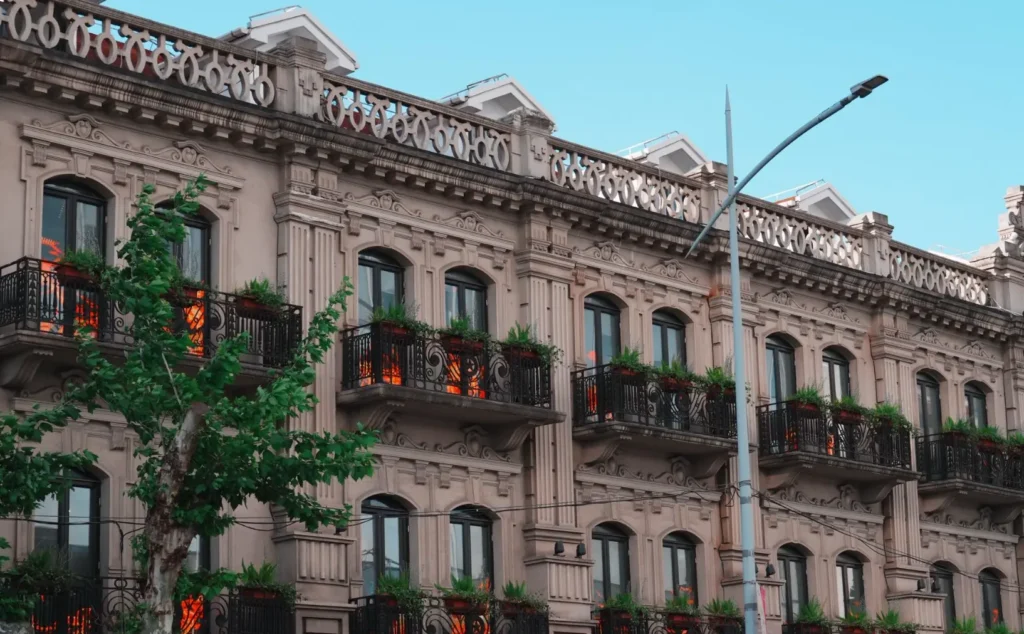
Wukang Mansion, also known as the Normandie Apartments, is a classic example of Shanghai’s iconic Art Deco architecture. Its unique, flatiron-style design was inspired by the famous Flatiron Building in New York, giving it a distinct triangular shape that makes it stand out at the Wukang Road and Huaihai Middle Road intersection. This shape isn’t just eye-catching—it’s functional, fitting perfectly into the corner lot while maximizing space.
The building’s facade features detailed elements typical of Art Deco, such as geometric patterns and luxurious materials. The balconies are small yet elegant, with wrought-iron railings that add to its vintage charm. The exterior decoration emphasizes symmetry and clean lines, earning Wukang Mansion its reputation as a landmark of Shanghai Art Deco architecture.
Because of its historical and architectural significance, Wukang Mansion has been designated as a cultural relic and is protected under heritage preservation laws. This status helps ensure that its unique beauty and historical value remain intact for generations to come. If you want to delve deeper into Shanghai’s architectural history, the mansion is a must-see on any Shanghai architecture tour.
Location and How to Get There
Wukang Mansion is nestled right at the corner of Wukang Road and Huaihai Middle Road, in the heart of Shanghai’s Xuhui District. This makes it super easy to find if you’re exploring the French Concession area. The building is close to several metro stations, including South Shaanxi Road Station (Line 1) and Hengshan Park Station (Line 10), both within a short walk. If you prefer buses, many routes serve Huaihai Middle Road, making public transport a breeze.
Walking and biking are popular ways to explore the French Concession’s charming streets. Biking is especially convenient—you can rent bikes at many spots around Huaihai Road, allowing you to enjoy the scenic streets at your own pace. For a smooth visit from central Shanghai, plan your trip around the metro or consider a quick taxi ride. During peak hours, the metro is often faster and less stressful than navigating traffic.
For first-time visitors, using Shanghai’s transit system is simple. The metro maps are straightforward, and many stations offer English signage. To avoid crowds, try visiting early in the morning or late in the afternoon, especially if you’re aiming for great photos of Wukang Mansion’s iconic triangular shape. Planning your route ahead through a travel app can save time and help you enjoy your trip without stress.
Visiting Wukang Mansion
If you’re planning to visit Wukang Mansion, timing is important for the best photos and a more peaceful experience. The early morning or late afternoon hours usually offer the softest, most flattering natural light—perfect for capturing the building’s unique Art Deco charm. Plus, visiting during weekdays can help you avoid the larger crowds that tend to gather on weekends or holidays.
Since Wukang Mansion is mainly a residential building, it’s not open for tours inside. However, you can still enjoy excellent views of the exterior from various angles. To get the best shots, try different viewpoints around the building—especially from the Wukang Road intersection and along Huaihai Middle Road. The building’s distinctive triangular shape makes it a favorite for photos, and shooting from street level often highlights its Flatiron-style design perfectly.
It’s important to be respectful of local residents while visiting. Stay on sidewalks, avoid blocking entrances, and keep noise levels down. Many residents live nearby, so being considerate ensures that both visitors and residents can enjoy the area.
After taking photos, you’ll find plenty of cozy cafes and resting spots around the building. These spots are great for relaxing and soaking in the local atmosphere. Whether you’re grabbing a coffee or just resting your feet, many cafes along Wukang Road offer a great view of the mansion and the surrounding French Concession architecture.
Cultural Significance and Modern Context of Wukang Mansion
Wukang Mansion is more than just a beautiful piece of Shanghai’s architecture — it’s a symbol of the city’s rich, cosmopolitan past. Known for its art deco style, it’s often featured in films, TV shows, and social media posts, helping it stay front and center in Shanghai’s vibrant cultural scene. Its iconic flatiron shape and historical charm have made it a favorite for photo shoots and city tours, especially among travelers exploring the broader French Concession era.
The building’s connection to the French Concession heritage makes it stand out even more. It’s a reminder of Shanghai’s time as an international hub, where East met West and new ideas flourished. Today, Wukang Mansion still plays a role in defining Shanghai’s urban identity, blending its historic roots with the modern city skyline.
Despite the rapid changes around it, the mansion remains one of the most recognizable buildings in Shanghai. Its timeless appeal helps tell the story of a city that’s always evolving but deeply proud of its multicultural history. If you’re exploring the French Concession, visiting Wukang Mansion offers a direct link to Shanghai’s glamorous and diverse past, which continues to influence how the city presents itself on the world stage. For a deeper dive into Shanghai’s historic architecture and cultural relics, you might want to check out Shanghai cultural relics for more context.
Nearby Attractions in the French Concession
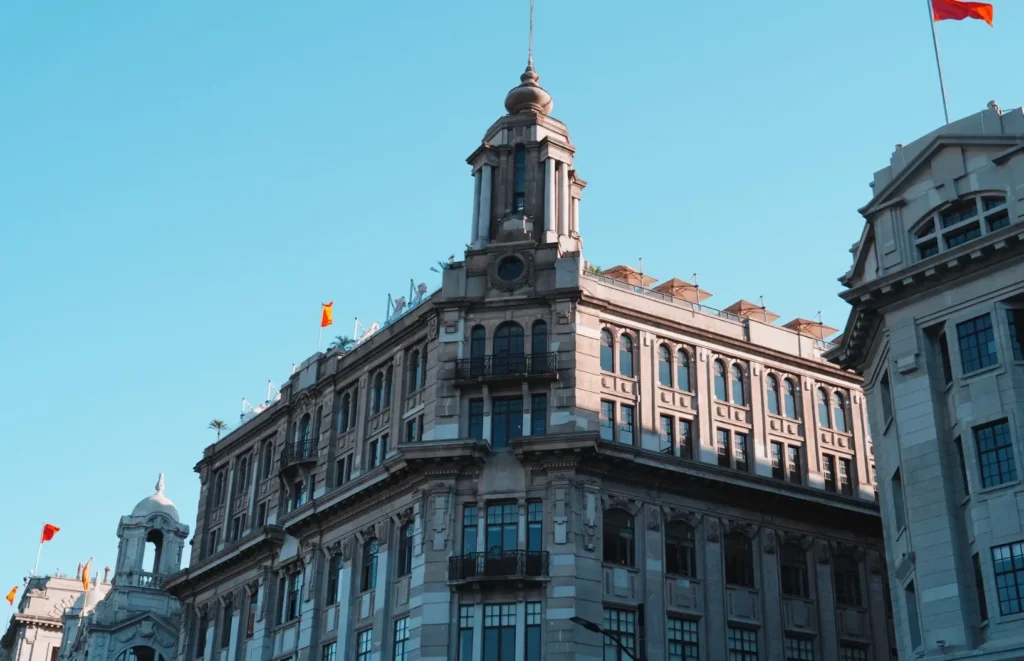
Exploring the French Concession around Wukang Mansion is like stepping into a living museum of Shanghai’s history and style. Just a short walk from the Wukang Road area, you’ll find Tianzifang, a vibrant arts and crafts enclave packed with boutique shops, cafes, and art galleries. It’s a great spot to soak in the artsy vibe and pick up unique souvenirs. Also nearby are the Sinan Mansions, an exclusive neighborhood filled with historic villas showcasing Shanghai’s luxurious past, perfect for architecture lovers.
A popular way to experience these sites is by following a walking route that takes you from Wukang Road through Huaihai Middle Road. Start from Wukang Mansion, wander through tree-lined streets, and enjoy the blend of old-world charm with modern shops. For dining and shopping, there are plenty of cafes, stylish boutiques, and local eateries nearby, making it easy to enjoy a full day of exploring.
To make the most of your trip, I recommend building a half-day French Concession itinerary. Begin with the Wukang Mansion for its iconic architecture, then head towards Tianzifang for arts and crafts, and finish with some shopping along Huaihai Road. If you’re into architecture tours, be sure to check out the nearby historic buildings and hidden alleyways, which perfectly showcase Shanghai’s Art Deco heritage. This route gives you a deep dive into the city’s layered past and vibrant present—all within walking distance.
Photography Tips for Wukang Mansion
Capturing the beauty of Wukang Mansion, a hallmark of Shanghai Art Deco architecture, can be easy with a few simple tips. The best time for photos is during the early morning or late afternoon when the sunlight softens, creating beautiful shadows that highlight its unique triangular shape. During these hours, the lighting is ideal for clear, vibrant shots without harsh contrasts.
When aiming for iconic angles, focus on the building’s flatiron-inspired facade from Wukang Road or try shooting from the intersection at Huaihai Middle Road for a dramatic view. To really showcase the building’s distinctive triangular silhouette, get close to street level and frame the mansion against the sky or nearby architecture.
For those looking to make their Instagram posts stand out, explore nearby streets and corners—like Wukang Road’s charming alleyways or the intersection’s grid—to find unique compositions. Simple tips like using a wide-angle lens or adjusting your perspective can really emphasize its Flatiron-style design.
Hashtags are key when sharing your Shanghai architecture tour photos online. Use tags like #WukangMansion, #ShanghaiArtDeco, or #FrenchConcession to connect with fellow travelers and architecture lovers. Don’t forget to include location tags to boost visibility and inspire others to explore this historic building themselves.
Fun Facts About Wukang Mansion
Wukang Mansion is full of lesser-known stories and intriguing trivia that make it stand out among Shanghai’s historic buildings. Did you know it was designed by the famous architect László Hudec, who left a lasting mark on the city’s skyline with his unique blend of Art Deco style? Many travelers are surprised to learn that the building was originally called Normandie Apartments when it was built in 1924, highlighting its European roots.
Over the years, Wukang Mansion has played host to notable personalities, including writers, artists, and even film crews, adding to its cultural significance. Its distinctive triangular shape, inspired by the Flatiron Building in New York, makes it instantly recognizable—and a favorite spot for fans of architecture.
What really cements its fame is its connection to Shanghai’s cosmopolitan past. It stands as a symbol of the French Concession era, reflecting the city’s international vibe during the early 20th century. Even today, travelers keep adding Wukang Mansion to their Shanghai itinerary because it’s not just about the history; it’s about experiencing a piece of the city’s vibrant, eclectic identity. Whether you’re into architecture, history, or just want a great photo, this building has something special to offer.