Planning Your Trip to Beijing
Thinking about visiting Beijing? It’s a city packed with history, culture, and modern sights. But before you go, a little planning helps make your trip smoother and more enjoyable. Here’s what you need to know to get started.
Best Time to Visit Beijing
Wondering when to go? The best time to visit Beijing is during spring (April to June) and fall (September to October). During these months, the weather is mild, and the air quality tends to be better. Summers (July and August) can be hot and humid, with more pollution, while winters (December to February) are cold and sometimes snowy. If you want to avoid crowds, plan your trip outside peak holiday seasons like Chinese New Year or National Day in October.
Visa Requirements and Entry Rules
Most travelers from the U.S. need a visa to enter Beijing. You’ll want to apply in advance through the Chinese consulate or an authorized visa service. Be prepared to show proof of your travel plans, hotel bookings, and a valid passport. Check the latest entry rules, especially if there are health or safety restrictions, as these can change. It’s also good to have a digital or printed copy of your visa and travel documents on hand.
How Long to Stay in Beijing
How much time do you need? Ideally, plan for at least 3 to 4 days to see the main attractions like the Forbidden City, Tiananmen Square, and the Great Wall. If you want a more relaxed trip with time for cultural experiences and day trips, 5 to 7 days is better. Keep in mind that Beijing is a huge city with plenty to explore, so don’t rush your visit.
Budgeting for Your Trip
Beijing can fit any budget. If you’re looking to save, stay in hostels or budget hotels in neighborhoods like Wangfujing or Chaoyang. Eating street food and shopping at local markets like Silk Market or Panjiayuan can save you money and give you authentic experiences. For splurges, there are luxury hotels and fine dining options. Plan your budget based on your priorities—whether it’s sightseeing, shopping, or relaxing in style.
Language Tips for First-Time Visitors
English isn’t widely spoken outside of tourist spots, so learning a few basic Chinese phrases can go a long way. Carry a translation app or a phrasebook. Simple greetings, thank you, and asking for directions will help you navigate more comfortably. Most signs are in Chinese, so having a translation app can help you read menus and street signs easily.
Getting ready for your trip? With these tips, you’ll be better prepared to enjoy all that Beijing has to offer.
Getting to Beijing

When planning your Beijing travel guide, knowing how to get to the city is key. Beijing is served by two major airports: Beijing Capital International Airport and Beijing Daxing International Airport.
Beijing Capital International Airport (PEK) is the main gateway for most international travelers. It offers numerous international and domestic flight options, making it easy to find flights from the US and around the world. If you’re flying domestically within China, you’ll also find plenty of options here.
Beijing Daxing International Airport (PKX), a newer hub, is designed to handle high passenger volumes and offers modern facilities. It’s a good alternative if your airline operates there or if you’re connecting from other Asian destinations.
For airport transfer options to downtown Beijing, you can choose from several convenient methods:
- Airport Express Train: Both airports are connected to the city via dedicated train lines, offering quick and affordable access.
- Airport Shuttle Buses: These run to major districts like Dongcheng and Chaoyang, with stops at popular hotels.
- Taxis and Ride-Hailing Apps: Uber and local apps like Didi are widely available and provide a comfortable, door-to-door option.
- Private Transfers: Pre-booked private shuttles are also available for a hassle-free arrival.
When it comes to international and domestic flight options, Beijing’s airports are well-connected. Major airlines from the US, including American Airlines, Delta, and United, operate direct flights to Beijing, especially during peak travel seasons. For the latest flight routes and schedules, check airline websites or travel booking platforms.
Navigating the airports can be straightforward if you follow a few tips:
- Look for bilingual signs in English and Chinese.
- Use airport maps available at terminals or online.
- Keep your travel documents handy for security and customs checks.
How to Get Around in Beijing
Getting around Beijing is pretty straightforward once you know your options. The city has a mix of modern transportation and traditional ways that make exploring easy and affordable.
Beijing Subway Guide
The subway is the most popular way to get around. It’s fast, cheap, and covers most major attractions like the Forbidden City, Summer Palace, and the Temple of Heaven. Signs are in English and Chinese, making it tourist-friendly. Be sure to buy a transportation card like the Beijing Yikatong for easy access and discounts. For detailed routes, check out the Beijing subway guide.
Buses and Regional Trains
Buses are extensive and a good budget option, especially for shorter distances. Regional trains connect suburbs and nearby towns, perfect for day trips outside the city. They’re less touristy but can be crowded during rush hours, so plan accordingly.
Taxis and Ride-Hailing Apps like Didi
Taxis are readily available, but using ride-hailing apps like Didi is often more convenient. They’re affordable, especially if you’re traveling in a group, and you don’t need to worry about language barriers. Just input your destination in the app, and you’re good to go.
Bike Sharing and Scooter Options
Bike sharing is huge in Beijing. Apps like Mobike and Ofo let you rent bikes or scooters for short trips around the city. It’s a fun way to see local neighborhoods and scenic routes, especially near parks or the Summer Palace.
Walking Areas and Scenic Routes
Certain areas, like Wangfujing Street and the historic hutongs, are best explored on foot. Walking gives you a closer look at local life, street food stalls, and hidden alleyways.
Tips for Crowded Transit Systems
Beijing’s transit systems get busy, especially during rush hours. Keep your belongings close, be patient, and plan your trips outside peak times if possible. Using a transportation app can help avoid delays and find the quickest routes.
Getting around Beijing might seem overwhelming at first, but once you get familiar with the subway map and local apps, it becomes second nature. It’s the best way to see the city like a local.
Top Attractions in Beijing
Beijing is packed with iconic sights and hidden gems that make it a must-visit destination. The Forbidden City and Tiananmen Square are two of the most famous landmarks, offering a glimpse into China’s imperial history and modern political heart. Be sure to explore the vast palace complex and learn about its fascinating past.
A visit to the Great Wall of China is a highlight for many travelers. The best sections to visit include Badaling, Mutianyu, and Jinshanling—each offering unique views and hiking experiences. If you’re interested in exploring beyond the usual spots, check out some lesser-known areas for a more peaceful experience.
The Summer Palace is another must-see, with its stunning gardens and lakes, perfect for a relaxing day. The Temple of Heaven provides insight into traditional Chinese religious practices, while the Ming Tombs and Sacred Way showcase the grandeur of China’s Ming Dynasty emperors.
In addition to these historical sites, Beijing also features modern landmarks like the Bird’s Nest Stadium and CCTV Tower. For those looking for something different, the city’s hidden gems—such as local art districts or quiet temples—offer a more authentic experience. Whether you’re into history, culture, or modern architecture, Beijing’s top attractions have something for everyone.
Cultural Experiences in Beijing
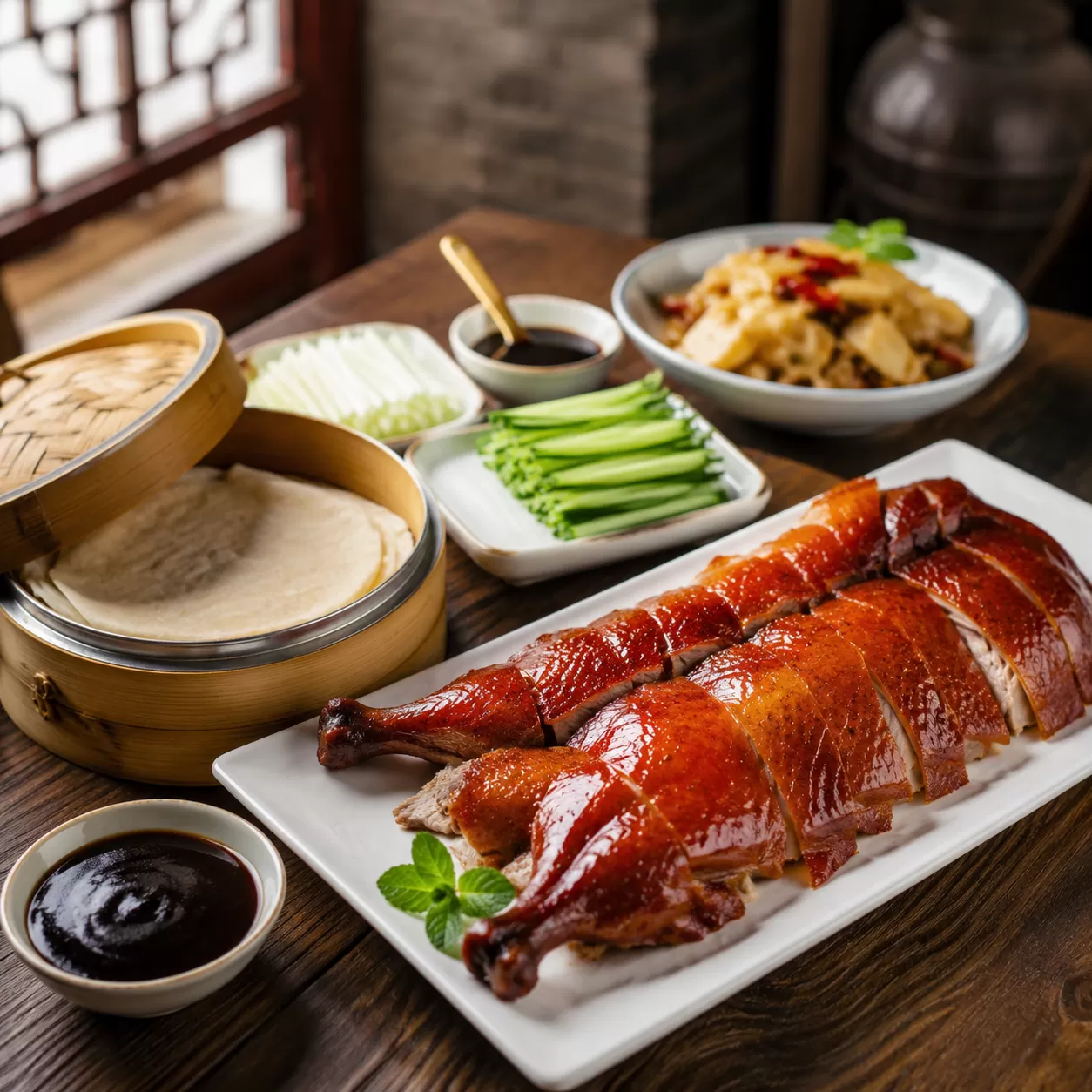
Beijing offers a rich tapestry of cultural experiences that truly showcase its history and local traditions. For first-time visitors, trying traditional Beijing food is a must. Peking duck, with its crispy skin and tender meat, is the city’s most famous dish, often enjoyed with thin pancakes and hoisin sauce. Zhajiangmian, a hearty noodle dish topped with savory soybean paste, is another local favorite that gives you a taste of authentic Beijing cuisine.
Exploring local markets in Beijing is a great way to immerse yourself in the city’s vibrant street life. Markets like the Panjiayuan Antique Market and Silk Market are perfect for picking up traditional crafts, souvenirs, and unique clothing. For a cultural performance, catch a Peking Opera or an acrobatics show—these are iconic Beijing experiences that highlight Chinese performing arts at their best.
Tea houses and calligraphy experiences are also popular cultural activities. Visiting a traditional tea house allows you to learn about Chinese tea culture and enjoy a peaceful moment amid the bustling city. Meanwhile, calligraphy workshops give you a hands-on chance to try this ancient art form.
Beijing’s major festivals, such as the Lunar New Year and the Mid-Autumn Festival, are celebrated with lively events, traditional music, and special food. Participating in these festivals offers a deeper understanding of local customs and traditions, making your trip even more memorable. For more insights into Beijing’s rich culture, check out our Beijing travel guide.
Where to Stay in Beijing
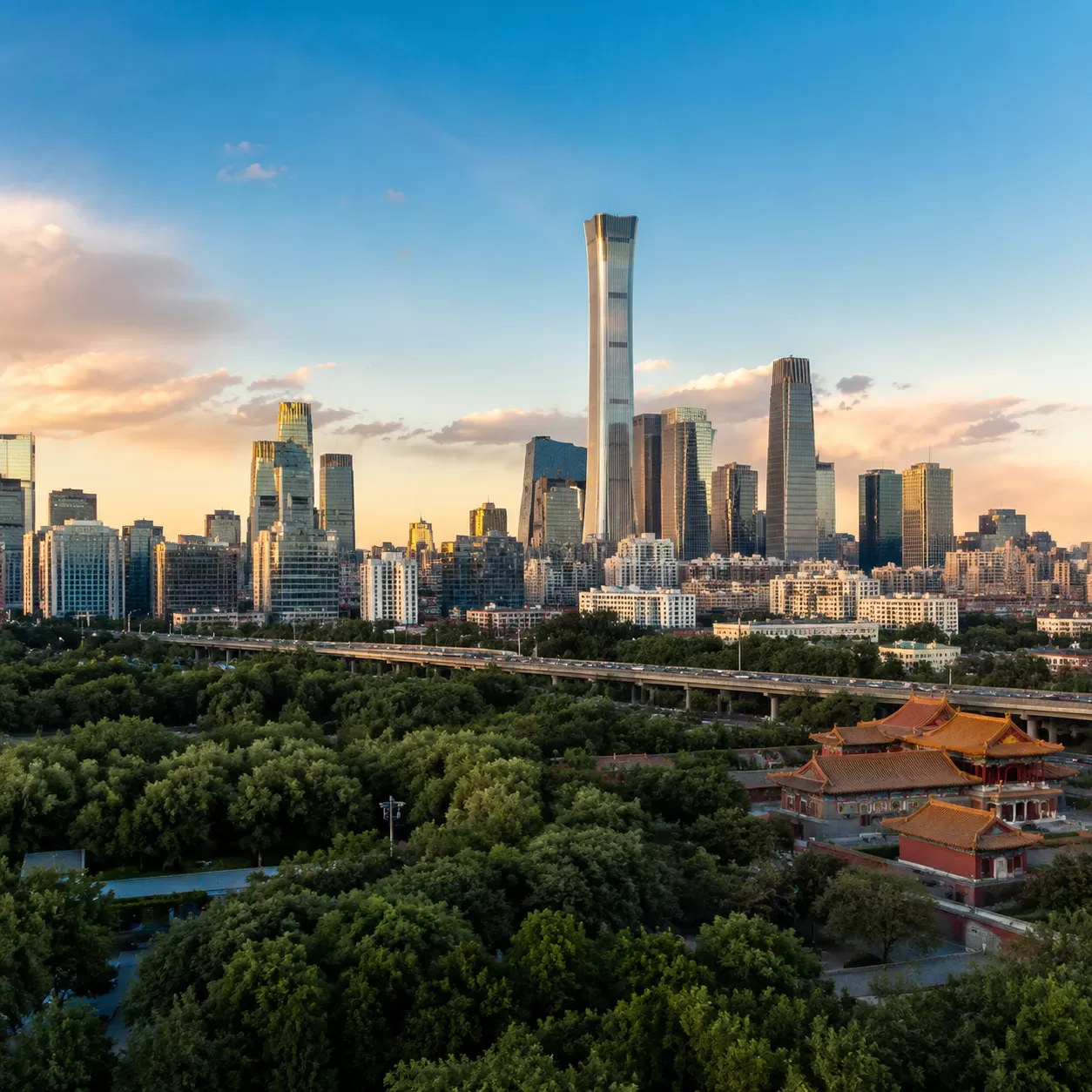
Choosing the right neighborhood can make a big difference in your Beijing travel experience. The best districts for visitors are Dongcheng, Chaoyang, and Wangfujing.
Dongcheng is perfect if you’re into history and culture, with easy access to major attractions like the Forbidden City and Tiananmen Square. Chaoyang offers a vibrant mix of modern shopping, nightlife, and international business hubs, making it ideal for travelers who want a lively atmosphere. Meanwhile, Wangfujing is famous for its bustling shopping streets and street food, great for those who love exploring local markets and trying new foods.
When it comes to accommodations, options range from luxury hotels to budget hostels and boutique stays. If you’re traveling with family, there are plenty of family-friendly accommodation options that offer comfort and convenience. For budget travelers, cheap hotels in Beijing can be found throughout these districts, especially in areas close to public transit.
For a more local experience, consider staying in neighborhoods with easy access to dining and neighborhood convenience, so you can enjoy authentic Beijing food and daily life without traveling far. This way, your stay in Beijing becomes not just about sightseeing but also about immersing yourself in the city’s vibrant local culture.
Eating in Beijing: A Foodie’s Guide
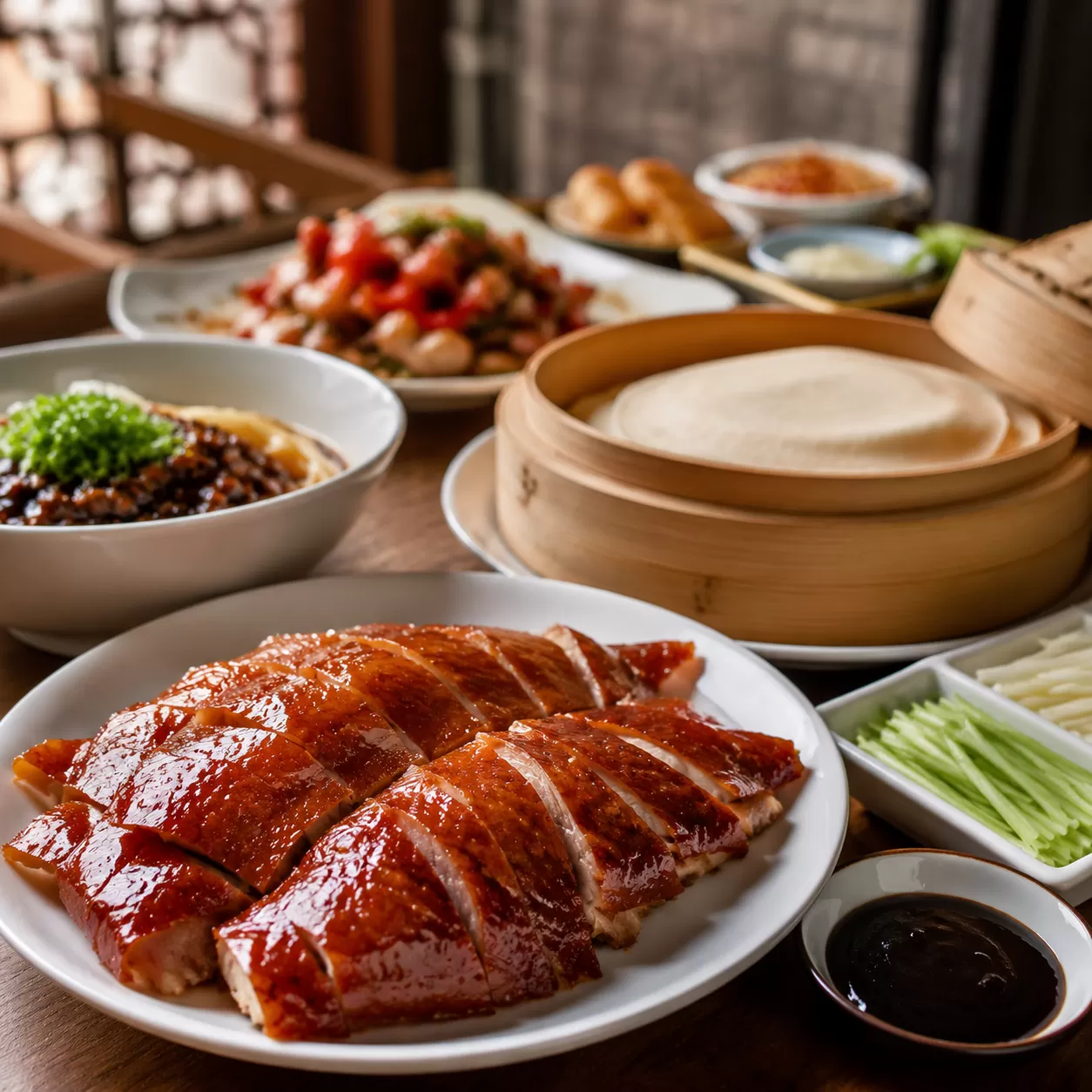
When you visit Beijing, trying the local dishes is a must. The city is famous for its rich culinary history, blending imperial flavors with street food stalls. Must-try dishes include Peking duck, Zhajiangmian (noodles with soybean paste), and Jianbing (Chinese crepes). These dishes give you a taste of Beijing’s unique food culture.
For a more authentic experience, check out some of the best restaurants for Beijing food. Places like Da Dong Roast Duck and Quanjude serve legendary Peking duck, while local hotspots in hutongs (traditional alleys) offer delicious, budget-friendly meals. If you’re interested in exploring Beijing’s street food scene, don’t miss the night markets, where vendors sell everything from skewers to dumplings.
Dining etiquette in Beijing is a bit different from Western norms. It’s polite to wait for the host to start eating and to use chopsticks properly. Sharing dishes is common, and it’s good manners to try a bit of everything. If you’re new to Chinese food, ask locals or restaurant staff for tips—they’re usually happy to help. Also, remember that some dishes are very spicy or salty, so taste carefully.
For food tips tailored to tourists, always carry some cash or a mobile payment app like Alipay or WeChat Pay, as many small eateries don’t accept credit cards. Exploring Beijing’s food scene is one of the best ways to connect with local culture and make your trip memorable. For a different kind of culinary adventure, consider visiting a traditional tea house or calligraphy café to enjoy a relaxing break from busy sightseeing.
Shopping in Beijing
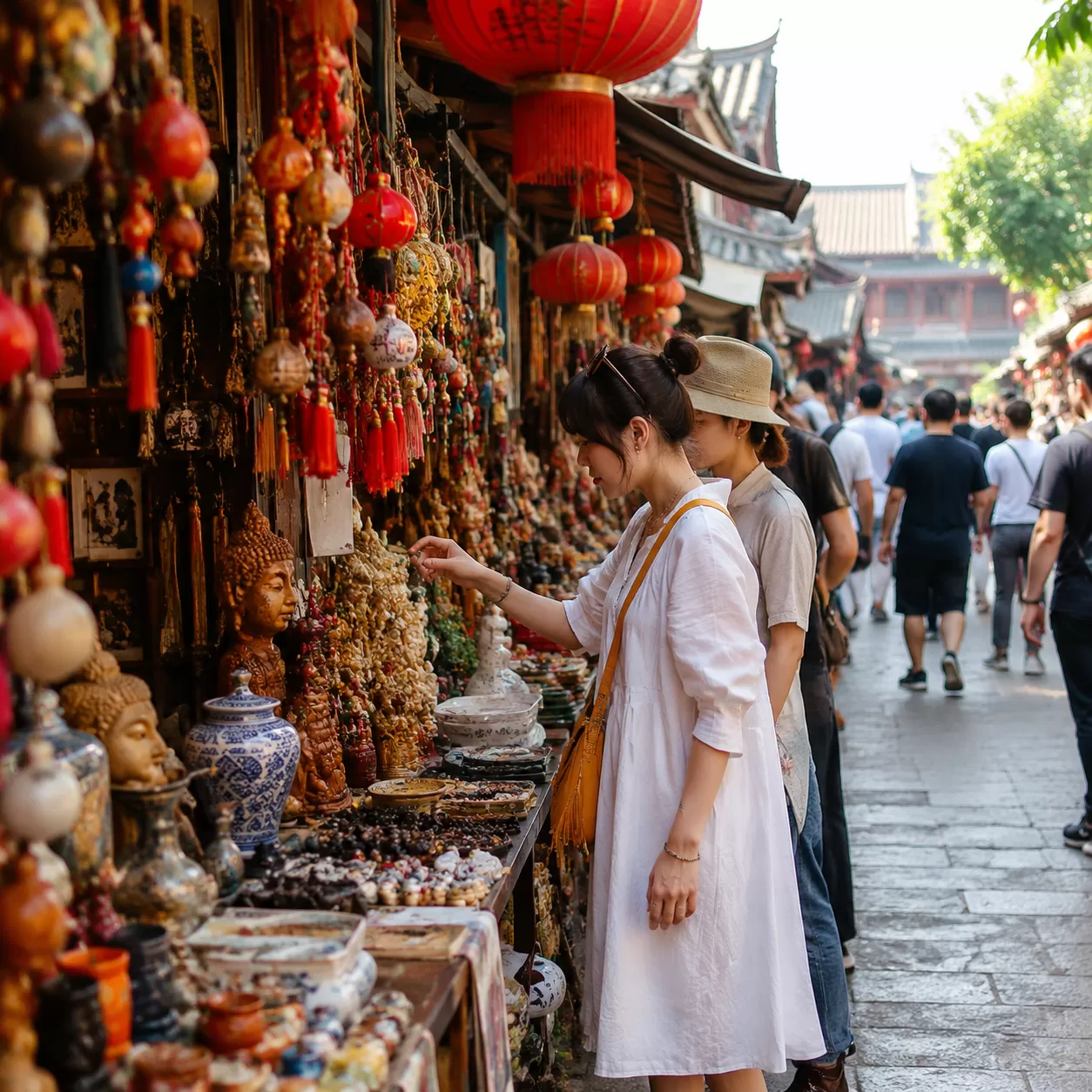
Beijing is a shopper’s paradise, offering everything from modern malls to traditional markets. Popular shopping districts like Wangfujing and Sanlitun are perfect for those who want a mix of international brands and trendy boutiques. For a more local experience, explore traditional markets such as Silk Market and Panjiayuan Antique Market. These places are great for finding unique souvenirs, Chinese crafts, and vintage items.
When shopping for traditional crafts and souvenirs, look out for items like cloisonné, jade jewelry, and paper-cut art. The Silk Market is famous for silk products, but be prepared to bargain. Panjiayuan is ideal if you’re into antiques and collectibles, but always check for authenticity.
Bargaining tips:
- Start with a friendly smile and a lower offer.
- Know the typical price range beforehand.
- Be polite but firm.
- If a deal doesn’t feel right, don’t be afraid to walk away.
How to spot authentic products:
- Check for quality and craftsmanship.
- Ask for certificates of authenticity for jade or antiques.
- Compare prices across multiple vendors.
- For silk and textiles, look for labels or tags indicating genuine materials.
Shopping in Beijing can be a fun and rewarding experience if you’re prepared to haggle and know what to look for. For more tips on authentic Chinese products, visit this Beijing shopping guide.
Practical Travel Tips for Beijing
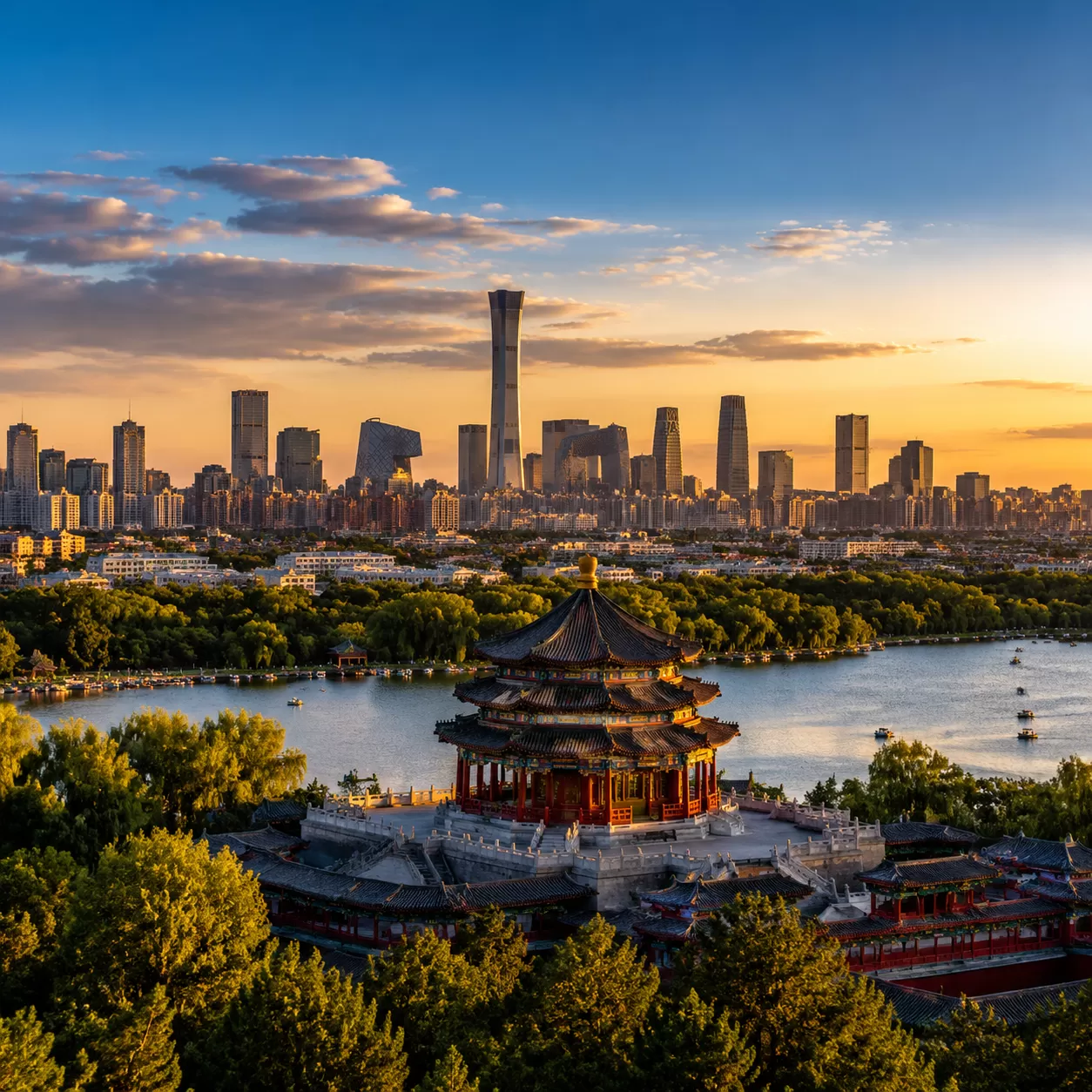
When visiting Beijing, a few practical travel tips can make your trip smoother and more enjoyable. First, health and safety are key, so consider carrying a small first aid kit and staying updated on local health advisories. If you plan to stay connected, buying a local SIM card or portable Wi-Fi device is a good idea—many travelers find this helpful for navigation and staying in touch. You can find more details about staying connected in our Beijing travel guide.
Understanding local customs and etiquette is important, especially when visiting cultural sites or dining out. For example, polite gestures and respectful behavior go a long way. Also, keep emergency contacts handy, including local hospitals, your embassy, and travel assistance numbers.
Air quality and pollution are significant considerations in Beijing. Check daily air quality reports and consider wearing a mask during high pollution days, especially if you have respiratory issues. Planning your outdoor activities in the early morning or late afternoon can also help avoid the worst pollution levels. For more tips on responsible travel and staying healthy, explore our Beijing travel tips for tourists.
Day Trips from Beijing

Looking to escape the city for a day? There are plenty of great options for day trips from Beijing that let you explore China’s rich history and stunning landscapes. Whether you’re interested in ancient sites or scenic mountains, these trips are perfect for a quick getaway.
One popular destination is Hebei Province, which offers a variety of cultural and natural attractions just outside Beijing. For example, the Chengde Imperial Summer Resort is a UNESCO World Heritage site and a must-see for visitors interested in Chinese imperial history. This vast complex features beautiful gardens, palaces, and temples, providing a glimpse into the Qing Dynasty’s summer retreat. You can learn more about planning your trip to nearby scenic spots like Qingdao, which is famous for its beaches and vibrant city life, by checking out this Qingdao travel guide.
Another fascinating day trip option is Zhoukoudian, home to the Zhoukoudian Ancient Human Site. This archaeological site is where the famous Peking Man fossils were discovered, offering insight into early human history. It’s a great stop for history buffs and those interested in China’s prehistoric past.
When planning a day trip from Beijing, consider factors like transportation, opening hours, and your personal interests. A well-organized itinerary can help you make the most of your time and ensure a smooth experience. Whether you choose to explore the mountains, ancient ruins, or imperial palaces, these excursions will add a memorable layer to your Beijing travel experience.
Sustainable Travel in Beijing
Traveling sustainably in Beijing is easier than you might think. Here are some eco-friendly travel tips to help reduce your impact:
- Use public transportation like the subway or buses instead of taxis or rental cars. The Beijing subway guide can help you navigate efficiently.
- Support local businesses by shopping at markets like Panjiayuan Antique Market or dining at small, family-run restaurants. This helps boost the local economy and reduces the carbon footprint of imported goods.
- Practice responsible sightseeing habits by sticking to designated paths and avoiding damage to cultural sites such as the Forbidden City or the Great Wall. Respecting these landmarks preserves them for future visitors.
- Reduce waste by carrying a reusable water bottle and shopping bag. Many shops and markets sell eco-friendly products, so look out for authentic souvenirs that are sustainably made.
- Travel with care in busy tourist spots by visiting during off-peak hours and avoiding large crowds, which helps lessen environmental strain and enhances your experience.
By adopting these habits, you can enjoy your trip to Beijing while contributing to the city’s efforts to promote sustainable tourism. For more ideas on eco-friendly travel, consider exploring other destinations like Qingdao, known for its scenic beaches and clean environment, which also emphasizes responsible tourism.