If you’re planning a trip to Beijing, Tiananmen Square is an absolute must-see. This iconic landmark isn’t just the largest public square in the world—it’s a place steeped in history, culture, and powerful symbolism. Whether you’re curious about its rich past, eager to explore its famous landmarks, or looking for practical tips to make your visit smooth and memorable, this guide has you covered. Ready to uncover the heart of Beijing? Let’s dive into everything you need to know about Tiananmen Square.
Historical Context and Significance of Tiananmen Square
Wondering why Tiananmen Square is such a big deal? Let’s break down its history and why it matters so much.
Origins and Construction: From Ming Dynasty to Today
Tiananmen Square’s story starts way back in the Ming Dynasty (1368–1644), when the original Tiananmen Gate—meaning “Gate of Heavenly Peace”—was built as the entrance to the Imperial City of Beijing. The square itself, however, took shape much later. It was significantly expanded in the 20th century, especially after 1949 when the People’s Republic of China was founded. The space was redesigned to serve as a grand public square, symbolizing the new era and the unity of the Chinese people.
Political and Cultural Symbolism
Tiananmen Square isn’t just a big open space; it’s a powerful symbol of China’s political identity and cultural heritage. It represents authority, national pride, and the Communist Party’s leadership. The square is often the backdrop for major state events, military parades, and national celebrations, making it a living symbol of China’s modern history.
Major Historical Events
Over the decades, Tiananmen Square has hosted countless important events. From the founding ceremony of the People’s Republic in 1949, where Mao Zedong declared the new China, to large-scale political rallies and public gatherings, the square has been at the heart of China’s political life. It’s a place where history has been made and witnessed by millions.
The 1989 Protests and Their Impact
The 1989 Tiananmen Square protests are a sensitive but crucial part of the square’s history. These student-led demonstrations called for political reform and greater freedoms. The government’s response was forceful, resulting in a tragic loss of life. This event deeply affected China and shaped international views on human rights and governance. When visiting, it’s important to approach this history with respect and awareness of its complexity.
This overview gives you a solid foundation on Tiananmen Square’s historical context and significance. Next, I’ll guide you through the key landmarks you can explore when you visit.
Key Landmarks Within and Around Tiananmen Square
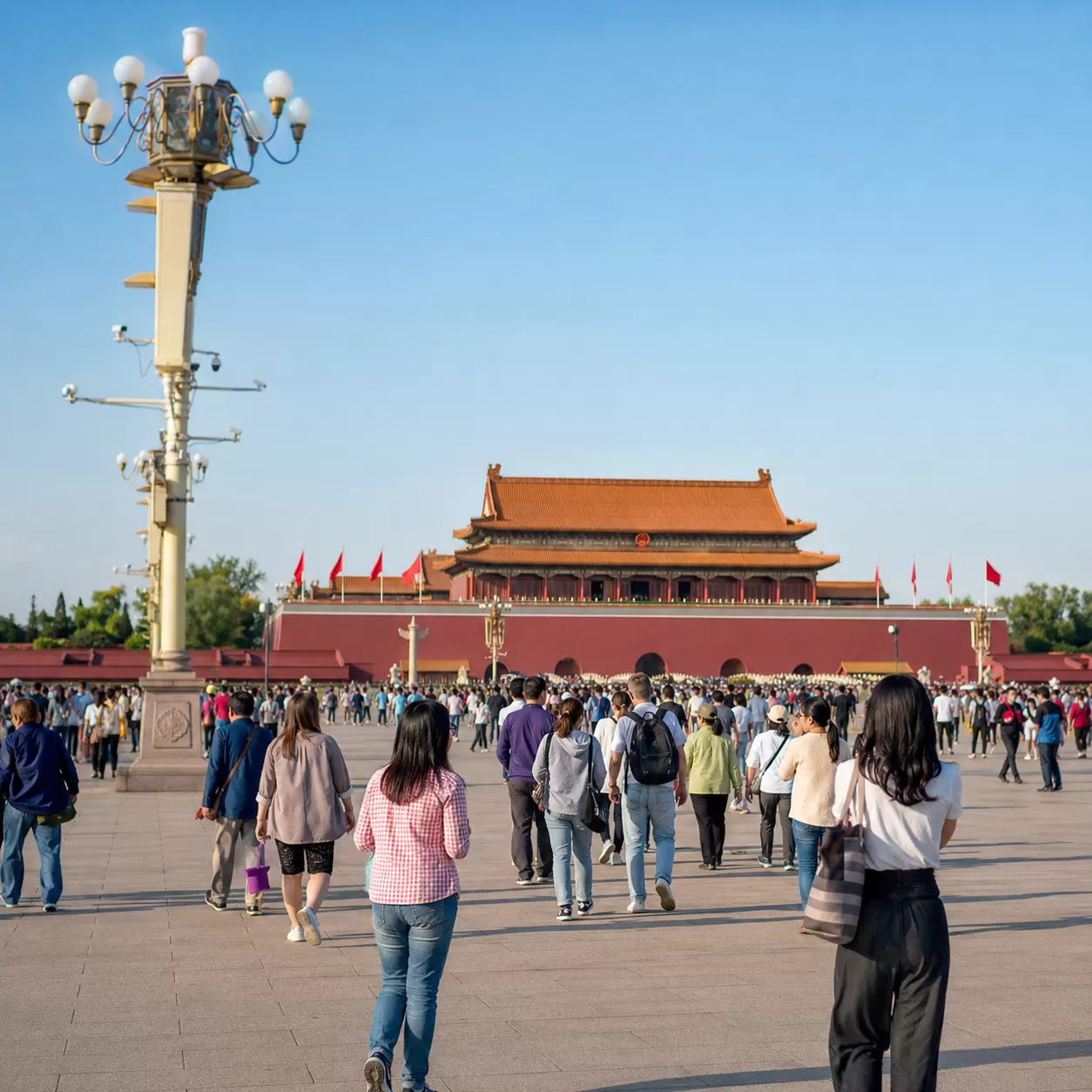
Tiananmen Square is surrounded by several iconic landmarks that reflect China’s rich history and political significance.
Tiananmen Gate (Gate of Heavenly Peace)
This massive gate is the main entrance to the Forbidden City and a symbol of Beijing itself. Known as the Gate of Heavenly Peace, it features a large portrait of Mao Zedong and serves as a backdrop for many important national events. Its history dates back to the Ming Dynasty, making it a must-see for visitors interested in Tiananmen Square history.
Monument to the People’s Heroes
Standing tall in the center of the square, this monument honors those who sacrificed their lives during revolutionary struggles in modern China. The monument’s reliefs and inscriptions tell stories of key historical moments, making it a powerful symbol of national pride.
Mausoleum of Mao Zedong
Located on the southern edge of Tiananmen Square, the mausoleum is the final resting place of Mao Zedong, the founding father of the People’s Republic of China. Visitors can pay respects inside, but be prepared for security checks and a respectful atmosphere. The mausoleum is open daily, and it’s advisable to check current visiting hours before your trip.
Great Hall of the People
This impressive building on the western side of the square is the meeting place for China’s National People’s Congress. It also hosts political and cultural events. While primarily a government building, parts of it are open to visitors, especially during national holidays or scheduled tours.
National Museum of China
Located on the eastern side of Tiananmen Square, this museum offers a deep dive into China’s history and culture. Highlights include ancient artifacts, revolutionary relics, and exhibitions on China’s development. It’s a top attraction for tourists wanting to understand the broader historical context of Tiananmen Square and Beijing.
For visitors planning their trip, knowing these landmarks helps create a rich and informative experience of Tiananmen Square and its surroundings. For practical travel tips on getting around Beijing and the best times to visit, you might find this guide on best time to visit Shanghai useful for broader China travel planning.
Visiting Tiananmen Square: Practical Information
Location and Transportation
Tiananmen Square is right in the heart of Beijing, making it easy to reach. The best subway stops are Tiananmen East and Tiananmen West on Line 1. Several bus routes also stop nearby, and taxis are a convenient option if you prefer door-to-door service. For detailed transport tips around Beijing, you can check out this comprehensive Beijing travel guide.
Best Times to Visit
To avoid large crowds, early mornings on weekdays are ideal. If you want to witness the famous flag-raising ceremony, plan to arrive before dawn. Late afternoons during weekdays are usually quieter too. Weekends and public holidays tend to be very busy, so plan accordingly.
Opening Hours and Security
Tiananmen Square is open daily, usually from 6:00 AM to 10:00 PM. Expect security checkpoints at all entrances—bags are screened, and certain items like drones or large tripods may be restricted. Visitors should carry valid ID, as it may be requested during entry.
Guided Tour vs. Self-Exploration
Choosing between a guided tour and exploring on your own depends on your interests. Guided tours offer rich historical context and help navigate the vast area efficiently. Self-exploration gives you freedom to linger at landmarks and take photos at your own pace. Many travelers find a mix of both works best.
Photography Rules and Tips
Photography is allowed in most parts of Tiananmen Square, but be mindful of security personnel and avoid restricted areas. Early morning light is perfect for capturing the square’s grandeur. Use a wide-angle lens to include key landmarks like the Tiananmen Gate and the Monument to the People’s Heroes in your shots. Remember, respectful behavior while photographing is important here.
This practical info will help you make the most of your visit to Tiananmen Square, one of Beijing’s most iconic spots.
What to Expect When Visiting Tiananmen Square
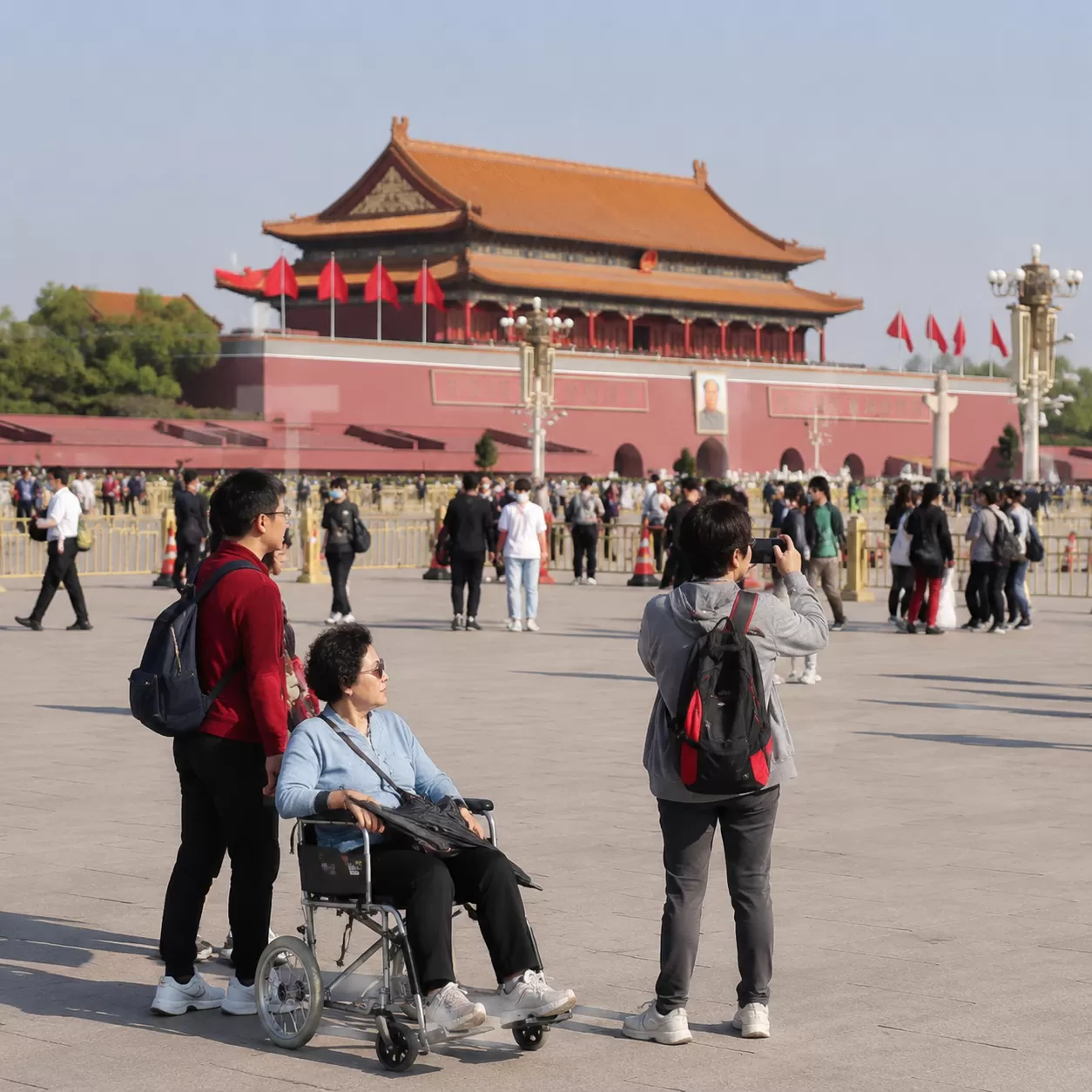
Tiananmen Square has a unique atmosphere that blends history, culture, and modern-day life. On any typical day, you’ll find locals and tourists alike strolling through the vast open space, taking photos of the iconic landmarks, and soaking in the significance of this historic site. The square feels both grand and solemn, a place where China’s past and present meet.
One of the most memorable experiences is the flag-raising ceremony at dawn. This event happens daily, just as the sun rises, with soldiers from the People’s Liberation Army performing a precise, respectful ritual to raise the national flag. Visitors can watch from the square’s northern edge—arriving early is key to grabbing a good spot and fully appreciating this moving ceremony.
When planning your visit, be prepared for crowds and security checks. Tiananmen Square is a high-profile location, so expect thorough bag inspections and metal detector screenings at the entrances. Peak times, like national holidays or weekends, can get especially busy. It’s a good idea to arrive early or visit during weekdays to avoid the heaviest crowds.
For those concerned about mobility, Tiananmen Square offers accessibility amenities. There are ramps and smooth paths suitable for wheelchairs and strollers, along with accessible restrooms. Staff are generally helpful if you need assistance navigating the large area, making it welcoming for elderly and disabled visitors.
Overall, visiting Tiananmen Square is a powerful experience—whether you’re there to witness the flag ceremony, explore the historical landmarks, or simply take in the atmosphere of one of Beijing’s most famous sites.
Nearby Attractions and Recommended Itinerary
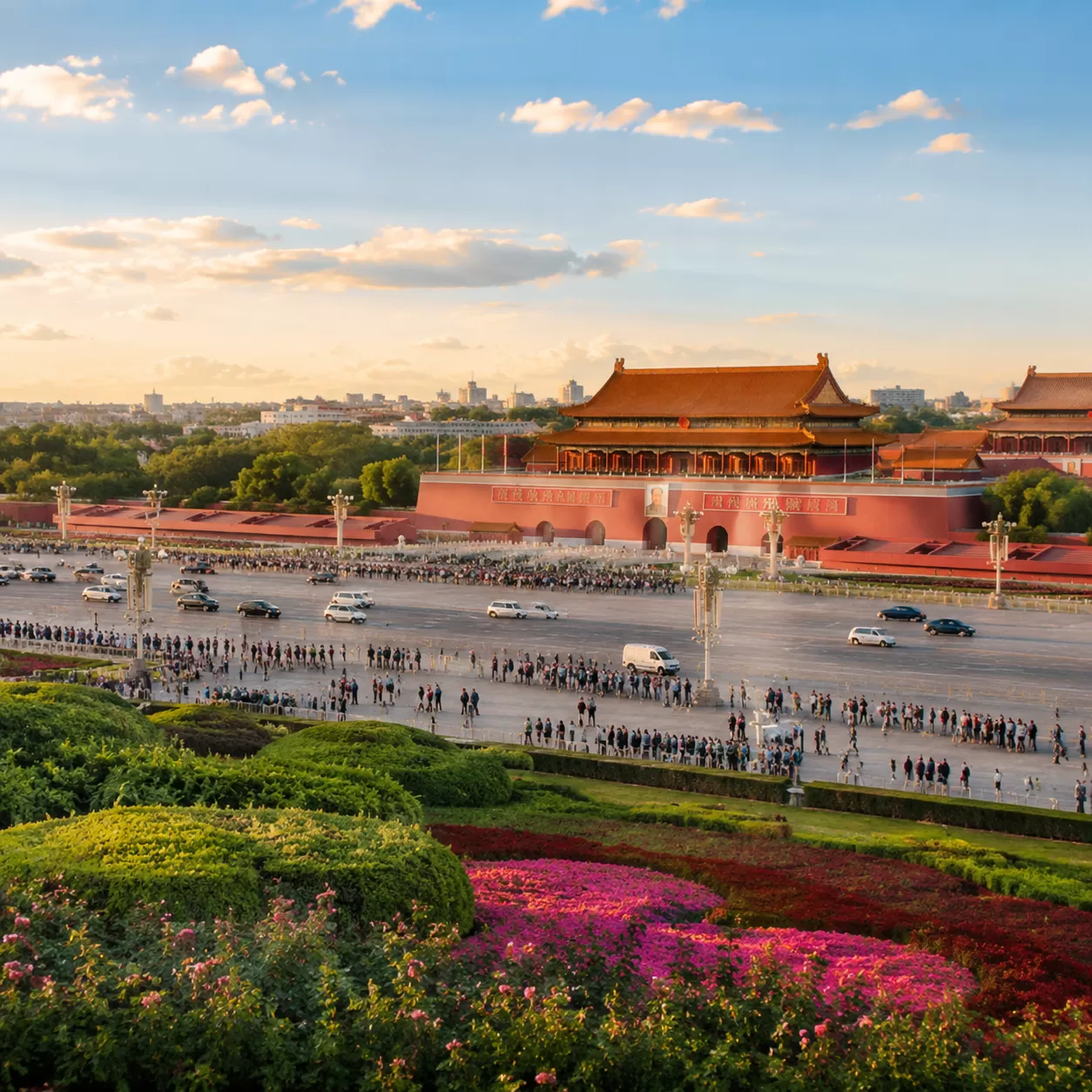
When visiting Tiananmen Square, it’s easy to combine your trip with several nearby attractions to make the most of your day.
Forbidden City
Just north of Tiananmen Square, the Forbidden City is a must-see. It’s the vast imperial palace complex where Chinese emperors once lived. You can enter through the Tiananmen Gate, making it a natural extension of your visit. Plan to spend at least 2-3 hours here to explore its stunning architecture and rich history.
Jingshan Park
Located just behind the Forbidden City, Jingshan Park offers panoramic views of Beijing, including a breathtaking overlook of Tiananmen Square and the Forbidden City rooftops. It’s a perfect spot for photos and a peaceful break from the crowds.
Wangfujing Street
After exploring the historic sites, head to Wangfujing Street, one of Beijing’s most famous shopping and dining areas. It’s ideal for trying local snacks, picking up souvenirs, or just soaking in the lively atmosphere.
Nearby Museums and Historical Sites
If you have extra time, consider quick visits to the National Museum of China on the east side of Tiananmen Square or the Chairman Mao Memorial Hall. Both offer deeper insights into China’s history and culture.
By combining these spots, you’ll get a well-rounded experience of Beijing’s rich heritage and vibrant city life. For a more diverse travel plan in China, you might also want to check out a detailed 3-day Shanghai itinerary for your next trip.
Cultural Etiquette and Local Insights
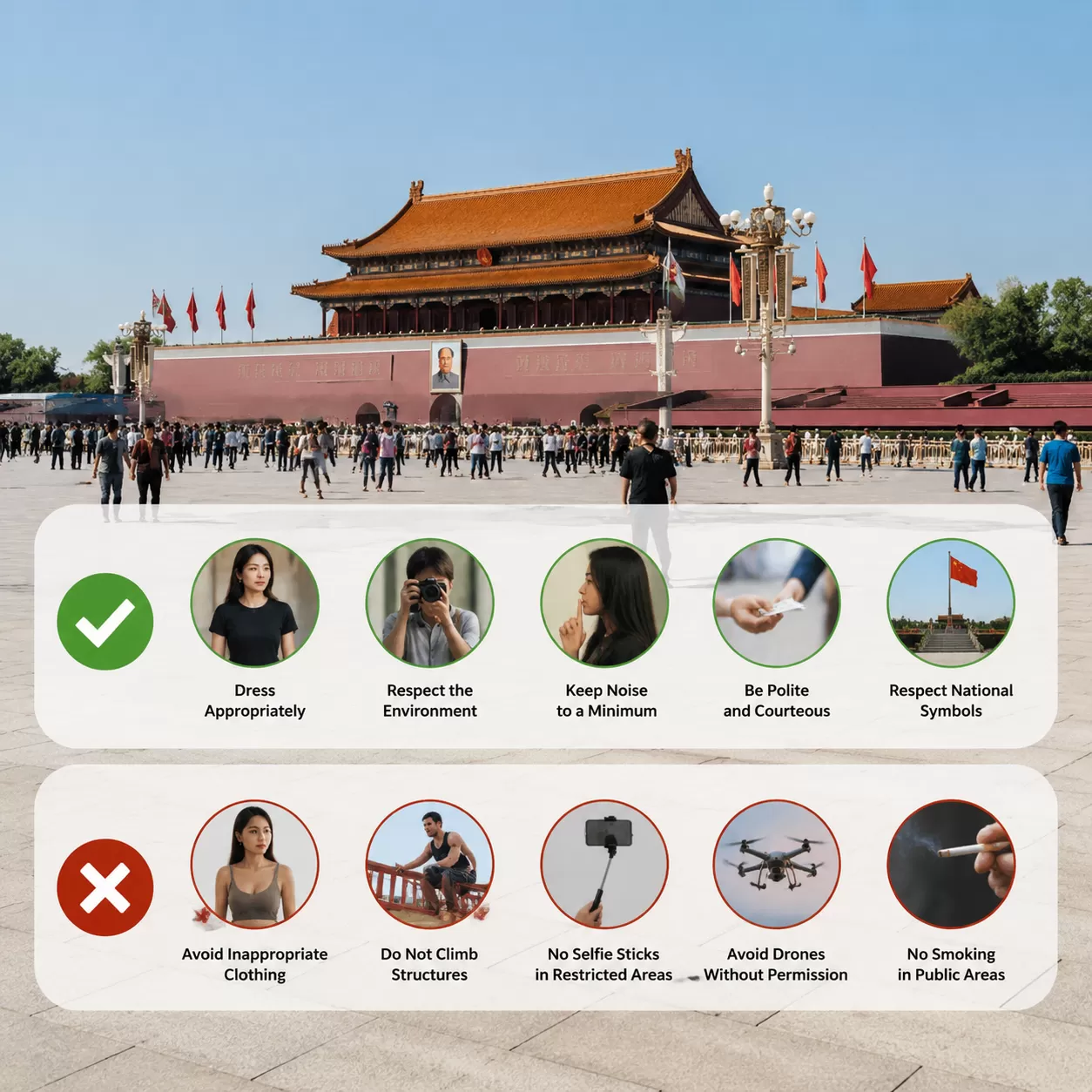
When visiting Tiananmen Square, showing respectful behavior is essential. This place holds deep political and cultural significance for China, so maintaining a calm and respectful demeanor reflects well on visitors and honors the site’s importance. Avoid loud conversations, disruptive behavior, or any actions that might be seen as disrespectful to the monuments or ceremonies.
Understanding local customs can enhance your experience. When interacting with locals near Tiananmen Square, a polite greeting and respectful tone go a long way. Many Chinese visitors appreciate when tourists show genuine interest in their culture but avoid sensitive political topics to keep conversations comfortable and friendly.
Common tourist mistakes to avoid include:
- Taking photos in restricted areas or of security personnel.
- Ignoring security checks or trying to bypass regulations.
- Disrespecting the flag-raising ceremony by talking or using phones during the event.
- Littering or damaging any part of the square or its landmarks.
Being mindful of these points ensures a smooth and meaningful visit to Tiananmen Square, helping you appreciate its history and significance fully. For more cultural insights on visiting China, you might find this guide to local customs helpful.
Additional Tips and Resources for Visiting Tiananmen Square
When planning your visit to Tiananmen Square, staying updated on the latest travel advisories and security updates is crucial. Official Chinese government websites and trusted travel platforms often provide real-time information on any changes to visitor regulations or special events that might affect access.
For those wanting to dive deeper into the Tiananmen Square history and its cultural significance, I recommend several well-regarded books and documentaries. Titles like The Gate of Heavenly Peace offer detailed insights into the square’s political and social impact. Documentaries available on streaming platforms also provide balanced perspectives that help understand the complex events tied to the location.
To ensure a smooth visit, use official websites and mobile apps dedicated to Beijing tourism. These resources offer up-to-date schedules, ticket information, and guidelines for visiting key landmarks like the Mausoleum of Mao Zedong and the Great Hall of the People. Checking these before you go can save time and help you avoid unexpected closures or restrictions.
For more travel planning in China, including nearby cultural spots and practical tips, resources such as the Qingdao travel guide offer valuable context and advice that complement your experience at Tiananmen Square.