Planning a trip to Chengdu? You’re in the right place.
This Chengdu travel guide gives you the essentials you actually need—top Chengdu tourist attractions, the best Sichuan cuisine in Chengdu, smart Chengdu transportation tips, and the best time to visit for an easy, memorable trip.
From panda base tickets to day trips from Chengdu, I’ve packed this guide with practical advice, local insight, and the must-see places that make Chengdu one of China’s most rewarding cities to explore.
Let’s dive in.
Chengdu at a Glance
If you’re wondering where Chengdu is, what it feels like, and why people keep adding it to their China itinerary, here’s the short version: it’s one of the easiest cities in China to enjoy, especially if you like food, culture, and a slower pace.
Quick Facts
- Location: Southwest China, in Sichuan Province
- Population: Over 20 million in the greater metro area
- Climate: Humid subtropical with hot, damp summers and mild, foggy winters
- Vibe: Relaxed, creative, food-focused, and locally rooted
Chengdu is the kind of city where I can spend the morning with giant pandas, the afternoon in a tea house, and the evening eating spicy Sichuan food without rushing from place to place.
Why Chengdu Stands Out
Among China travel destinations, Chengdu feels different. It’s big and modern, but it doesn’t move at the same breakneck pace as cities like Shanghai or Beijing. That balance is a big part of its appeal.
Here’s why Chengdu stands out:
- Top panda destination: It’s the best-known base for seeing giant pandas up close.
- Strong food identity: Chengdu is one of the best places in the world for Sichuan cuisine in Chengdu.
- Easygoing atmosphere: Locals value tea, conversation, and leisure time.
- Rich culture: You’ll find temples, opera, historic streets, and local traditions everywhere.
- Great for day trips: It’s a smart base for exploring nearby UNESCO and scenic sites.
If I had to sum up the city in one sentence, I’d say this: Chengdu is one of the most rewarding places in China for travelers who want culture, comfort, and unforgettable food in one trip.
It also helps that Chengdu tourist attractions are varied and easy to reach, which makes planning simple whether you’re here for a short stop or a longer stay. For many travelers, Chengdu ends up being one of the Chengdu must-see places on a China trip, and often the one they remember most.
Getting to Chengdu
Flights and airports
In my Chengdu travel guide, I’d start with the easiest option for most U.S. travelers: flying in. Chengdu is served by Chengdu Tianfu International Airport (TFU) and Chengdu Shuangliu International Airport (CTU). Tianfu is the newer main international gateway, while Shuangliu still handles some domestic and regional flights.
If I’m booking from the United States, I usually compare routes with one or two connections through major Asian hubs like Seoul, Tokyo, Hong Kong, or Taipei. For the best value, I check both airports because the arrival point can affect my hotel choice and transfer time.
Trains, buses, and airport transfers
Chengdu is also easy to reach by high-speed train, which is a solid option if I’m already in China. The city has major rail stations with fast links to places like Xi’an, Chongqing, and Kunming. For shorter regional trips, long-distance buses are available too, but I’d usually choose the train for comfort and speed.
For airport transfers, I prefer these options:
- Metro: cheap and reliable, especially from Tianfu and Shuangliu
- Taxi: best if I have luggage or arrive late
- Ride-hailing apps: convenient for direct hotel drop-off
- Airport shuttle buses: useful for certain routes and budget travel
If I’m planning a China trip that includes other major cities, I’d also look at a Beijing airport transfer guide to get a sense of how airport transit works in large Chinese hubs.
Visa and travel documents
For most U.S. travelers, Chengdu visa information is part of the planning process before booking flights. I always check the latest China entry rules before I go, since visa requirements can change. In many cases, I’ll need:
- A valid U.S. passport with at least six months left
- A China visa unless I qualify for a visa-free transit option
- Confirmed hotel details or an itinerary
- Return or onward travel proof
If I’m only transiting through China, I still make sure I understand the current travel documents rules, including transit visa policies and airport entry requirements. I also keep digital and printed copies of my passport, visa, and flight details just in case.
Best Time to Visit Chengdu
Chengdu Weather Guide
If I had to pick the easiest time to enjoy Chengdu, I’d say spring and fall. Chengdu has a mild, humid climate, so summers can feel hot and sticky, while winters are cool, damp, and often gray. The weather is usually manageable year-round, but some months are just better for walking, eating, and taking day trips.
Best Months
For most travelers, the best time to visit Chengdu is:
- March to May: Great for sightseeing, parks, and panda visits
- September to November: Best for clear skies, food tours, and day trips from Chengdu
These months usually give me the best mix of comfort and fewer weather headaches. If I’m planning to see Chengdu tourist attractions like the Panda Base, Jinli Ancient Street, or Mount Qingcheng, I would aim for these seasons first.
Seasonal Breakdown
| Season | Weather | Pros | Cons |
|---|---|---|---|
| Spring | Mild, fresh, sometimes rainy | Good for sightseeing, flowers, and outdoor trips | Light rain is common |
| Summer | Hot, humid, and sometimes heavy rain | Great for indoor food spots and night markets | Can feel sticky and crowded |
| Fall | Cool, dry, and comfortable | Best for photos, walking, and day trips | Popular season, so book early |
| Winter | Cool, damp, overcast | Fewer crowds, lower hotel rates | Gray weather and less energy for outdoor touring |
Festivals and Events
If I want a trip with more local flavor, I’d plan around these events:
- Chinese New Year: Big holiday energy, but some shops close
- Lantern Festival: Good for evening walks and local snacks
- Sichuan opera performances: A solid pick for cultural nights
- Food festivals and tea events: Nice for anyone who wants to dig into Sichuan cuisine in Chengdu
My Take by Season
- Spring: Best overall balance for weather and sightseeing
- Summer: Best for food lovers who don’t mind heat
- Fall: My top choice for the clearest, most comfortable travel
- Winter: Best for budget travelers and slower trips
If you want a smoother trip, I’d pair this with a solid Chengdu travel itinerary and book popular spots early, especially during holiday weeks.
Top Chengdu Attractions in This Chengdu Travel Guide
Giant Panda Base
The Giant Panda Breeding Research Base is the top stop for most first-time visitors. If I only had time for one wildlife sight in Chengdu, this would be it. It’s one of the best-known Chengdu tourist attractions and a must for anyone who wants to see giant pandas up close.
Visiting tips:
- Go early in the morning when the pandas are most active
- Buy Chengdu panda base tickets ahead of time if you can
- Plan extra time for the red panda area and baby panda nursery
- Use a taxi or metro to avoid wasting time in traffic
Wuhou Shrine and Jinli Ancient Street
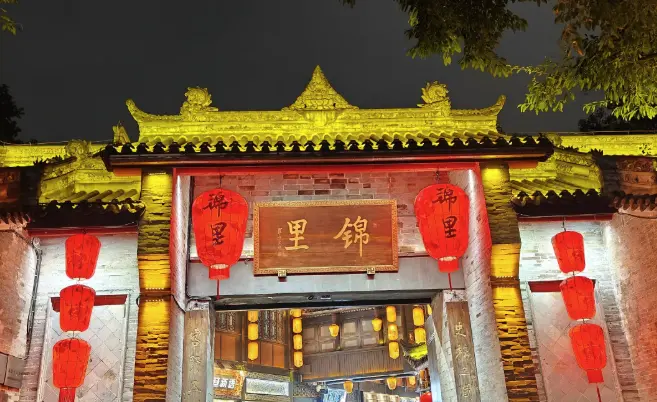
Wuhou Shrine is a solid pick if you want history tied to the Three Kingdoms era. Right next door, Jinli Ancient Street gives you food stalls, souvenirs, and a busy local feel. I like this area because it mixes culture and easy sightseeing in one stop.
What to do there:
- Walk the shrine grounds first, then head to Jinli for snacks
- Try local street food and small bites
- Visit in the evening for a better atmosphere and lighting
Mount Qingcheng and Dujiangyan
If you want a day trip, Mount Qingcheng and the Dujiangyan Irrigation System are both worth it. Mount Qingcheng is a peaceful mountain area linked to Taoism, while Dujiangyan is one of China’s most important ancient water projects. These are two of the best day trips from Chengdu.
Good for:
- Nature lovers
- History fans
- Travelers who want a break from the city
Jinsha Site Museum
The Jinsha Site Museum is an easy way to get a feel for Chengdu’s ancient past without leaving the city. It covers the old Shu civilization and has a strong museum layout, so it works well even if you’re not a big museum person.
Why I’d include it:
- Great indoor option on a hot or rainy day
- Strong mix of artifacts, exhibits, and local history
- Good fit for travelers interested in Chengdu must-see places beyond the usual highlights
People’s Park and Tea Culture
People’s Park is where I’d go to slow down and watch daily life in Chengdu. This is one of the best places to see the city’s famous tea house scene and relaxed pace. If you want a real look at local culture, this belongs on your list of Chengdu cultural experiences.
What to look for:
- Traditional tea houses
- Ear cleaning services, a local classic
- Dancing, chess, and other everyday activities
- A calm break from the busier tourist areas
Quick Attraction Picks
| Place | Best For | Time Needed |
|---|---|---|
| Giant Panda Base | Wildlife | 2–4 hours |
| Wuhou Shrine + Jinli | History + food | 2–3 hours |
| Mount Qingcheng + Dujiangyan | Day trip | Full day |
| Jinsha Site Museum | Culture | 1.5–2 hours |
| People’s Park | Tea culture | 1–2 hours |
For more on local traditions and history, I’d also check a good Chengdu culture resource before planning your route.
Unique Chengdu Cultural Experiences
Chengdu stands out to me because it feels relaxed without being boring. If I want a real Chengdu travel guide experience, I look beyond the big Chengdu tourist attractions and spend time on the city’s local culture, slow routines, and live performances.
Sichuan Opera and Face-Changing
One of the most memorable Chengdu cultural experiences is Sichuan Opera, especially the famous face-changing act. It’s fast, dramatic, and very different from what most U.S. travelers expect.
What I’d do:
- Book a show in the evening
- Sit close enough to catch the details
- Pair it with dinner or a tea house visit
- Ask staff if photos are allowed before taking any
Tea Houses and Slow Life
Tea houses are a big part of daily life here. I like them because they give you a real feel for how locals spend time in Chengdu—slowly, comfortably, and without rushing.
What to expect:
- Small stools, outdoor seating, and long conversations
- Jasmine, green, or flower tea served the local way
- People playing cards, reading, or just hanging out
- A calm break from busy sightseeing
If I’m building a more relaxed Chengdu travel itinerary, I always leave space for a tea house stop.
Festivals and Local Events
Traditional festivals add another layer to the trip. Depending on when I visit, I might catch lantern events, temple fairs, or public performances tied to local customs.
Good times to watch for:
- Lunar New Year celebrations
- Lantern Festival activities
- Sichuan-themed cultural shows
- Seasonal food and street events
These events are a nice way to connect with Sichuan cuisine in Chengdu and the city’s everyday rhythm.
How I’d Experience Chengdu Like a Local
If I want Chengdu to feel more real and less touristy, I keep it simple.
My best tips:
- Spend time in tea houses instead of only malls
- Try neighborhood snacks and Chengdu street food markets
- Use the metro or walk in older districts
- Stay out late for food, shows, and night scenes
- Don’t rush the day—Chengdu works better at an easy pace
For me, that slower pace is the whole point of the city. It’s one of the main reasons Chengdu must-see places and local life feel so rewarding together.
Food and Dining in Chengdu
Chengdu is one of the best places in China if I want to eat well without overthinking it. The city is known for Sichuan cuisine in Chengdu, and the local flavor is bold, spicy, numbing, and full of depth. I usually tell people to expect a mix of chili heat, Sichuan peppercorn tingle, garlic, fermented bean paste, and a lot of savory comfort food. If you like trying new flavors, this is a big reason Chengdu belongs on your Chengdu travel guide list.
Sichuan flavor profile
What stands out most is the balance. Chengdu food is not just “hot.” It’s layered.
- Mala: the classic spicy-numbing taste
- Sour and savory: common in soups, noodles, and stir-fries
- Rich and oily: often balanced by tea or simple side dishes
- Fresh herbs and aromatics: especially garlic, scallions, and chili oil
If you are new to Sichuan food, I suggest starting with milder dishes and asking for less spice at first. Many places can adjust the heat.
Must-try Chengdu dishes
These are the core Chengdu must-see places of the food world, and I never skip them:
- Hotpot: the most famous meal in the city. You cook meats, vegetables, tofu, and noodles in a bubbling spicy broth.
- Mapo tofu: soft tofu in a spicy, savory sauce with minced meat and Sichuan peppercorn.
- Kung pao chicken: a classic dish with chicken, peanuts, dried chilies, and a sweet-spicy sauce.
Other dishes worth trying:
- Dan dan noodles
- Twice-cooked pork
- Chengdu wontons
- Couple’s lung slices
- Sweet rice balls for dessert
Street food and local spots
For a real Chengdu street food markets experience, I like exploring small lanes, night markets, and local restaurant rows. This is where I find the easiest, cheapest, and most local meals.
Look for:
- Skewers and grilled snacks
- Dumplings and spicy noodles
- Rabbit head, if you want something truly local
- Cold jelly noodles in summer
- Soy milk, buns, and breakfast pancakes in the morning
A lot of the best food in Chengdu is not fancy. Small family-run shops often give you the most honest flavor and better prices than tourist-heavy spots.
Food tours and cooking classes
If I want to understand the food instead of just eating it, I book a Chengdu food tour or a cooking class. These are useful if you want help ordering, want to learn what different spices do, or want a guided way to try more dishes in one day.
Good options often include:
- Market visits with a local guide
- Hotpot tastings
- Sichuan cooking lessons
- Spice and peppercorn tastings
- Tea pairing experiences
For many U.S. travelers, this is the easiest way to get comfortable with the local food scene fast. It also helps if you want a more structured Chengdu travel itinerary ideas approach around meals.
Where to Stay in Chengdu Travel Guide
Chengdu has a good mix of places to stay, whether I want comfort, style, or a lower price. For most travelers, the best choice depends on how close I want to be to food, metro lines, and top Chengdu tourist attractions.
Luxury Hotels and International Chains
If I want a smooth stay, Chengdu has plenty of luxury hotels and international brands. These are usually in central areas and work well for business trips or first-time visitors.
Good for:
- Easy check-in and English support
- Big rooms and strong Wi-Fi
- Gym, pool, and full-service dining
- Simple access to shopping and transit
Well-known areas for upscale stays include Jinjiang District and parts of Gaoxin. I find these areas practical if I want a more polished base without being too far from the city center.
Boutique Hotels and Guesthouses
If I want more local character, boutique hotels and guesthouses are a smart pick. Many have modern design, quiet rooms, and a more personal feel than big chains.
Best for:
- Couples and solo travelers
- People who want a unique stay
- Guests looking for a calm, local feel
These stays are often near Kuanzhai Alley, Wenshu Monastery, or older neighborhood streets. That makes them a nice fit if I want to enjoy Chengdu cultural experiences and still stay close to food and nightlife.
Budget Hostels and Affordable Stays
Chengdu is also friendly for budget travelers. Hostels, simple guesthouses, and low-cost hotels are easy to find, especially near transit hubs and busy downtown streets.
Budget stay tips:
- Look for places near the metro
- Check recent reviews for cleanliness and noise
- Choose stays with laundry and luggage storage if I’m moving around China
- Book early during holidays and festival periods
If I’m building a low-cost Chengdu travel itinerary, this is usually the best way to keep my trip affordable without giving up location.
Best Neighborhoods to Stay in Chengdu
Here are the best areas I’d look at when booking Chengdu accommodation recommendations:
| Neighborhood | Best For | Why I’d Stay There |
|---|---|---|
| Jinjiang District | First-time visitors, upscale stays | Central, convenient, lots of dining and shopping |
| Qingyang District | Sightseeing, culture | Close to historic sites and local food |
| Wuhou District | Budget travelers, food lovers | Good access to night markets and local spots |
| Gaoxin District | Business travelers, modern hotels | Clean, modern, and well connected |
| Near Chengdu East/Chengdu South stations | Transit convenience | Easy for trains and short stays |
If I want the easiest all-around base, I usually start with Jinjiang District or Qingyang District. They make it simple to get around, eat well, and reach many Chengdu must-see places without wasting time.
Getting Around Chengdu
Getting around Chengdu is pretty easy, even if it’s your first time in China. I find the city simple to move through, thanks to a solid metro system, cheap taxis, and plenty of ride-hailing options. If you’re planning a Chengdu travel guide trip, local transit is one of the easiest parts to figure out.
Metro, Buses, Taxis, and Ride-Hailing
The Chengdu Metro is the fastest way to cover long distances. It’s clean, affordable, and easy to use if you know a few basic station names.
- Metro: Best for main attractions, shopping areas, and train stations
- Buses: Cheap, but harder to use if you don’t read Chinese
- Taxis: Good for short trips or when you’re carrying bags
- Ride-hailing: Didi is the most common app for visitors
A few simple Chengdu transportation tips:
- Save your hotel address in Chinese
- Use the metro during rush hour if you want to avoid traffic
- Carry small cash or use a mobile payment option if available
- Double-check your destination before getting in a taxi
Bike Shares and Walkable Areas
Chengdu is also one of the more walkable big cities in China, especially in central neighborhoods. I like using bike shares for short trips when the weather is mild.
Good areas for walking and biking include:
- People’s Park
- Jinli Ancient Street
- Taikoo Li
- Kuanzhai Alley
Bike shares are handy for short rides, but I only use them in areas with wide sidewalks and light traffic. They’re best for relaxed sightseeing, not long cross-city trips.
Car Rental and Driving Tips
I usually don’t recommend renting a car unless you really need one. Traffic can be heavy, parking is not always simple, and road rules may feel confusing if you’re not used to driving in China.
If you do rent a car:
- Make sure your license and documents are valid
- Check if your rental includes insurance
- Avoid driving during peak commute hours
- Plan parking ahead of time
For most travelers, metro plus taxis is easier than driving.
Easy Day Trip Access
One of the best things about Chengdu is how easy it is to leave the city for a day trip. High-speed trains, buses, and tours make nearby places simple to reach.
Popular day trips from Chengdu include:
- Dujiangyan
- Mount Qingcheng
- Leshan Giant Buddha
- Mount Emei
If you’re building a Chengdu travel itinerary, I’d keep one or two day trips in the plan. The city is a strong base for sightseeing without needing to change hotels every night.
Best Day Trips from Chengdu
If I’m building a Chengdu travel guide, I always include day trips. The city is a great base for seeing some of the best Chengdu must-see places in Sichuan without having to pack up and move hotels.
Leshan Giant Buddha
The Leshan Giant Buddha is one of the most popular day trips from Chengdu. It’s a massive stone Buddha carved into a cliff, and it’s honestly hard to take in the full scale until you see it in person.
Why I’d go:
- It’s a top pick for first-time visitors
- The river views are great
- It pairs well with a food stop in Leshan
Tip: Leave early. That gives me enough time to visit the site and get back to Chengdu without feeling rushed.
Mount Emei Scenic Area
Mount Emei is a bigger trip, but it’s worth it if I want nature, temples, and mountain views in one place. It’s one of the classic Chengdu tourist attractions outside the city.
Good to know:
- Bring comfortable shoes
- Weather changes fast on the mountain
- It can take more than one day if I want to explore slowly
If I only have one day, I usually focus on the lower scenic area. For a fuller experience, an overnight stay works better.
Dujiangyan Water Conservancy Project
The Dujiangyan Irrigation System is a smart choice if I want history and easy access from Chengdu. It’s a UNESCO-listed site and one of the most impressive examples of ancient engineering in China.
Why it stands out:
- Easy to reach by train or car
- Less crowded than some big-name sights
- Great for travelers who like culture and history
I also like pairing it with Mount Qingcheng if I have extra time, since they’re both in the same area.

Other Nearby Places
If I want more options, there are plenty of other spots worth adding to a Chengdu travel itinerary:
- Mount Qingcheng for Taoist culture and hiking
- Leshan food streets for local Sichuan snacks
- Qingcheng Mountain hot spring areas for a slower, more relaxed day
- Nearby old towns for a quieter look at local life
My quick take
For most travelers, I’d rank these like this:
- Leshan Giant Buddha for a classic first day trip
- Dujiangyan for easy history and culture
- Mount Emei for nature and a bigger adventure
If I only had a short trip, I’d choose Leshan or Dujiangyan. If I had more time, Mount Emei would be high on my list for a deeper Sichuan experience.
Shopping in Chengdu
Shopping in Chengdu is easy to enjoy because I can move from street markets to polished malls in the same day. If you want a mix of Chengdu shopping guide stops, local gifts, and high-end stores, this city gives you plenty of options without making it feel rushed.
Popular Shopping Streets and Markets
For a more local feel, I usually start with areas that mix food, snacks, and small shops. These are the places where I find the best Chengdu street food markets and simple souvenirs.
- Chunxi Road: One of the busiest shopping streets in the city, with fashion stores, cosmetics, and big-brand shops.
- Taikoo Li: A stylish open-air area with global brands, cafes, and a good evening vibe.
- Jinli Ancient Street: Better for small gifts, traditional snacks, and a more classic travel feel.
- Wide and Narrow Alleys: Good for browsing local crafts, tea, and casual souvenirs.
If I only had one afternoon, I would combine Chunxi Road and Taikoo Li for modern shopping, then head to Jinli Ancient Street for local items and snacks.
Local Crafts and Souvenirs
When I shop in Chengdu, I look for things that feel tied to the city, not just generic travel gifts. The best souvenirs are easy to pack and actually useful.
Good things to bring home from Chengdu:
- Sichuan peppercorns
- Spicy hotpot base
- Tea from local tea houses
- Panda-themed gifts
- Handmade silk items
- Sichuan opera masks or face-changing souvenirs
- Local snacks like preserved fruit, chili crisp, or candy
For U.S. travelers, food gifts are usually the safest choice, but I always check customs rules before packing spices, sauces, or meat products. That saves a headache at the airport.
Modern Malls and Luxury Shopping
If you want a more polished Chengdu shopping guide experience, the city has no shortage of malls and upscale retail spaces. This is where I go for international brands, department stores, and air-conditioned comfort.
Top options include:
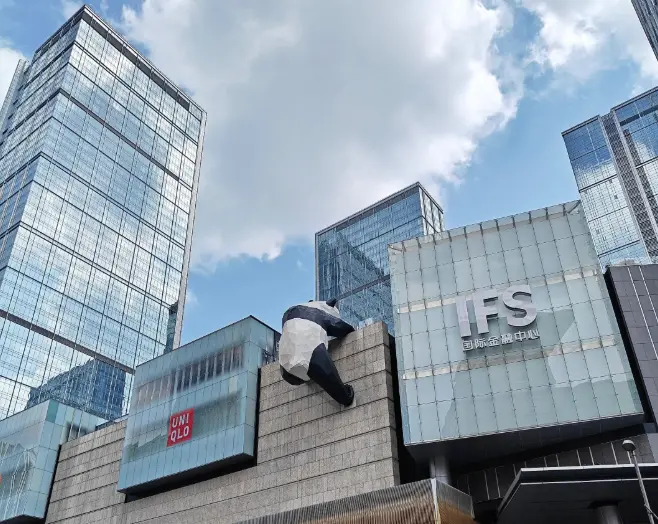
- IFS (International Finance Square) for luxury labels and city views
- Taikoo Li for premium shopping and dining
- SKP Chengdu for high-end fashion and designer brands
- MixC for a wider mix of mid-range and luxury stores
These places are a good fit if you want to shop in a way that feels familiar to U.S. visitors, with easy navigation, strong service, and lots of dining options nearby.
What to Bring Home
If I had to narrow it down, I’d bring home a mix of edible gifts and small cultural items. That gives me a better memory of the trip without overpacking.
Best picks:
- Sichuan cuisine in Chengdu ingredients like peppercorns and chili paste
- Tea and tea sets
- Panda gifts for kids or family
- Small crafts from local markets
- Snack boxes from department stores
For me, the best shopping in Chengdu is not about buying a lot. It’s about finding a few things that feel local, practical, and easy to carry home.
Practical Chengdu Travel Tips
Language Basics
In my experience, English is not widely spoken in Chengdu outside major hotels and tourist spots, so I always keep a few Chinese phrases handy. For a Chengdu travel guide, that small prep makes a big difference.
Useful basics:
- Hello = 你好 (nǐ hǎo)
- Thank you = 谢谢 (xiè xie)
- How much? = 多少钱? (duō shao qián?)
- I want this = 我要这个 (wǒ yào zhè ge)
- Where is the metro? = 地铁在哪儿? (dì tiě zài nǎ er?)
A translation app also helps with menus, taxis, and signs.
Safety and Health
Chengdu is generally a safe city, and I find it easy to get around as a visitor. Still, I keep the usual travel habits in mind.
A few things to watch:
- Keep an eye on your phone and wallet in crowded places
- Use official taxis or ride-hailing apps
- Drink bottled or boiled water if your stomach is sensitive
- Carry basic medicine for digestion, motion sickness, and colds
- Check air quality if you have breathing issues
If I’m planning day trips from Chengdu, I also pack comfortable shoes, sunscreen, and a light rain jacket.
Money and Tipping
China uses the renminbi (RMB), also called yuan. Cards are accepted in some hotels and bigger stores, but mobile payment is much more common. For US travelers, this is one of the biggest differences.
Money tips:
- Bring a credit card with no foreign transaction fees
- Carry some cash for small shops, markets, and street food
- Exchange money at banks, airport counters, or your hotel if needed
- Tipping is not a big part of local culture and usually isn’t expected
For most Chengdu tourist attractions, I’ve found cash handy for snacks, small tickets, and local tea houses.
Wi-Fi and SIM Cards
Free Wi-Fi is common in hotels, cafes, and some public areas, but it can be spotty. If I need steady access, I use a local SIM card or an eSIM before arrival.
Good options:
- Local SIM card at the airport or city shops
- eSIM for easier setup before travel
- Hotel Wi-Fi for basic browsing and maps
Useful travel apps:
- WeChat for messaging and payments
- Didi for ride-hailing
- Baidu Maps or Amap for navigation
- Google Translate for quick language help
If you want a smoother trip, I’d also save offline maps before heading out, especially for Chengdu transportation tips and short Chengdu travel itinerary ideas.
Sample Chengdu Travel Itineraries
1-Day Chengdu Highlights
If I only have one day in Chengdu, I focus on the city’s biggest hits. This keeps the trip simple and still gives me a real feel for the city.
Best plan:
- Morning: Visit the Giant Panda Breeding Research Base early, before the crowds and before the pandas get too sleepy.
- Late morning: Head to Jinsha Site Museum for a quick look at Chengdu’s ancient history.
- Lunch: Try Sichuan cuisine in Chengdu at a local restaurant, with dishes like mapo tofu or kung pao chicken.
- Afternoon: Walk through People’s Park and stop for tea if I want a slow local break.
- Evening: Finish at Jinli Ancient Street and Wuhou Shrine for food, shops, and a classic Chengdu night vibe.
This is the best option if I want the main Chengdu tourist attractions without rushing too much.
3-Day Chengdu Travel Plan
A 3-day trip gives me enough time to cover the city and one major day trip. This is the most balanced Chengdu travel itinerary idea for first-time visitors.
| Day | Plan |
|---|---|
| Day 1 | Panda Base, Jinsha Site Museum, People’s Park, Jinli Ancient Street |
| Day 2 | Mount Qingcheng and Dujiangyan Irrigation System |
| Day 3 | Wuhou Shrine, tea house time, Sichuan Opera, and local food spots |
A 3-day plan works well if I want a mix of Chengdu must-see places, culture, and easy day trips from Chengdu.
Family-Friendly Chengdu Itinerary
For families, I keep the schedule light and leave room for snacks, breaks, and flexible timing. Chengdu is a good choice because the pace is relaxed and many sights are easy to reach.
Family-friendly route:
- Giant Panda Breeding Research Base for kids and animal lovers
- People’s Park for open space and tea culture
- Jinli Ancient Street for casual walking and food
- Sichuan Opera if the group wants a fun cultural show
- Optional Dujiangyan Water Conservancy Project if everyone is up for a half-day trip
Why it works:
- Low stress and easy transit
- Good mix of nature, food, and culture
- Plenty of indoor and outdoor stops
- Easy to adjust for younger kids or older travelers
Budget Traveler Itinerary
If I’m watching my spending, I still have a lot of good options in Chengdu. The city is one of the better places in China for affordable food, cheap transit, and low-cost sightseeing.
Budget plan:
- Stay in a well-located hostel or budget guesthouse
- Use the metro and buses instead of taxis
- Eat at Chengdu street food markets and small local restaurants
- Spend time at free or low-cost spots like People’s Park and Jinli Ancient Street
- Choose one paid attraction, like the Panda Base, instead of stacking too many ticketed sites
Money-saving tips:
- Go early to popular places to avoid long lines
- Use mobile payments if available, but keep some cash just in case
- Book Chengdu panda base tickets ahead of time when possible
- Combine nearby sights to cut down on transport time and cost
For me, the best budget approach is simple: keep the schedule tight, eat local, and use Chengdu’s easy transit system to stay flexible.
Sustainable Travel in Chengdu
I try to travel in a way that leaves a lighter footprint, and Chengdu makes that pretty easy if I keep it simple. The city moves at a slower pace than a lot of big Chinese cities, so I can blend in better by staying calm, being patient, and respecting local routines. That means dressing modestly at temples, speaking quietly in tea houses, and giving people space in busy spots like Chengdu tourist attractions and local markets.
Respect Local Life
A few small habits go a long way:
- Keep noise down in parks, tea houses, and residential streets
- Ask before taking photos of people, food stalls, or small shops
- Follow queue lines at popular sights and metro stations
- Avoid littering and use recycling bins when available
- Use reusable bottles, bags, and chopsticks when possible
I also find that respectful behavior matters more than people expect. It makes daily life easier for locals and gives me a better travel experience too.
Support Local Businesses
One of the best parts of Chengdu sustainable tourism is how easy it is to spend money where it really helps the city. I usually choose:
- Family-run noodle shops and tea houses
- Small guesthouses or local-style stays
- Neighborhood markets instead of only big malls
- Independent guides for Chengdu cultural experiences
- Local crafts and snacks instead of mass-produced souvenirs
If I want a better feel for the city, I skip the rushed tourist setup and spend time in local districts where people actually live and eat. That usually gives me better food, better prices, and a more honest view of Chengdu.
Travel Greener
For eco-friendly travel, I keep my choices simple:
- Use the metro instead of taking taxis everywhere
- Walk short distances when the area is pedestrian-friendly
- Share rides when I need a car
- Bring a refillable water bottle
- Book tours that limit group size and reduce waste
These choices also make sense for Chengdu transportation tips, especially if I’m planning a few different stops in one day. It keeps the trip smoother and usually saves money too.
Panda Conservation
No Chengdu travel guide feels complete without pandas, but I think it’s important to treat panda tourism responsibly. If I visit a panda base, I make sure the place supports real conservation work and animal welfare. I look for clear information on breeding, rescue, and habitat protection before I buy Chengdu panda base tickets.
My basic rules for responsible panda tourism:
- Go early to avoid crowding and heat
- Keep quiet around the animals
- Never feed or try to touch wildlife
- Follow staff instructions at all times
- Choose official sites that support conservation, not gimmicky animal shows
The goal is simple: enjoy the experience without harming the animals or turning a conservation visit into a photo stop only. That’s the kind of travel that feels right to me, and it fits Chengdu’s laid-back, people-first vibe well.