Why Visit Chengdu?
If you’re wondering whether Chengdu is worth adding to your China trip, my short answer is yes. Things to do in Chengdu cover a rare mix of city energy, local culture, great food, and easy day trips.
What makes Chengdu stand out is how balanced it feels:
- Modern, but not overwhelming — you’ll find shopping streets, stylish cafes, and lively nightlife, but the city still feels calm and easy to navigate.
- Traditional, but very livable — teahouses, temples, old streets, and local neighborhoods give Chengdu a relaxed, local feel you don’t always get in bigger Chinese cities.
- A food capital — Chengdu is one of the best places to explore Sichuan cuisine, especially if you want to try hot pot, mapo tofu, dan dan noodles, and other bold local dishes.
- Pandas and nature access — Chengdu is the easiest base for visiting the famous Chengdu Panda Base and for planning day trips from Chengdu into Sichuan’s mountains and heritage sites.
A lot of travelers love Chengdu because it works for different trip styles:
- Short city break: You can see top Chengdu attractions in 1 to 2 days, including pandas, Jinli Ancient Street, Wuhou Shrine, and a Sichuan opera show.
- Longer itinerary: Chengdu is a smart base for visiting Mount Qingcheng, Dujiangyan, and Leshan, or for slowing down and enjoying tea houses, food streets, and local life.
- First-time visitors: The city feels approachable, with good transport, friendly pacing, and plenty of traveler-friendly things to do in Chengdu.
For me, that’s the big appeal: Chengdu gives you culture, food, nature, and a slower rhythm all in one place. If you want a destination that feels both exciting and easy to enjoy, Chengdu is a strong pick.
Top Things to Do in Chengdu
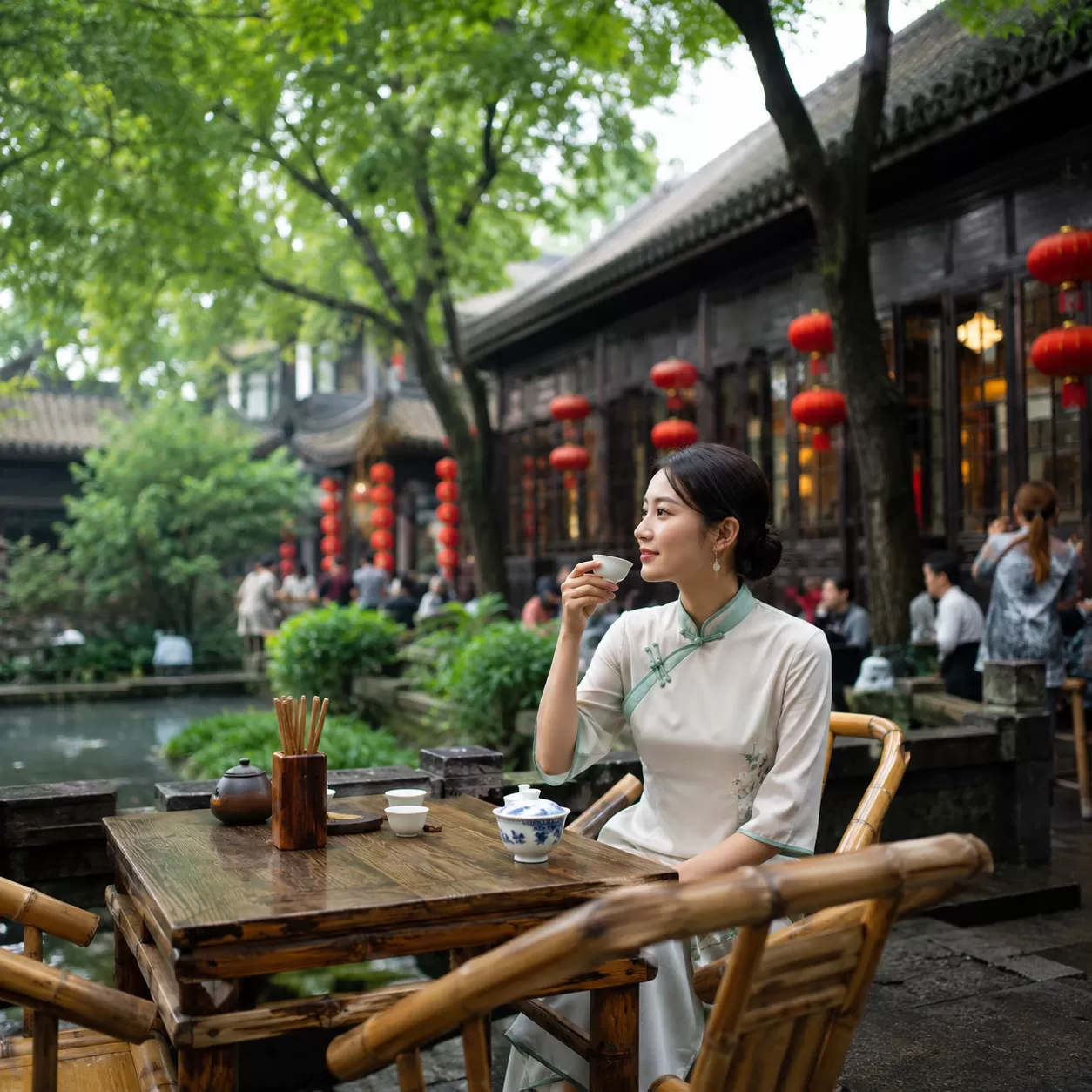
If I’m building a Chengdu travel guide, these are the best places to visit in Chengdu first. They cover the city’s biggest draws: pandas, food, old streets, tea culture, and easy nightlife.
Chengdu Panda Base
The Chengdu Research Base of Giant Panda Breeding is usually my first stop. Go early, since pandas are most active in the morning and often nap later in the day.
What to see:
Giant pandas in outdoor habitats
Red pandas too
Nursery areas if they’re open during your visit
Best tip:
Arrive as early as you can, ideally right when it opens. It’s cooler, less crowded, and the animals are easier to see.
Jinli Ancient Street
Jinli Ancient Street is one of the most popular Chengdu attractions for a reason. It has traditional-style buildings, local snacks, small shops, and souvenir stalls.
Best time to go:
Evening, when the lights come on
Great for a slow walk and casual browsing
I like Jinli for:
Street food
Crafts and souvenirs
Simple photos and people-watching
Wuhou Shrine
Wuhou Shrine is a solid stop if you want Three Kingdoms history without making the day feel too heavy. It’s one of the most important historic sites in the city.
Key highlights:
Historic temples and gardens
Displays tied to Three Kingdoms figures
Calm walking paths
It also pairs well with Jinli, since they’re close enough to visit together in one outing.
People’s Park
If I want to see local life, I head to People’s Park. It’s one of the most relaxed things to see in Chengdu.
What people do here:
Sit in tea houses
Play mahjong
Dance, exercise, or sing
Visit the famous matchmaking corner
This is where I feel the real daily rhythm of Chengdu.
Sichuan Cuisine
Chengdu is a UNESCO City of Gastronomy, so food is a major part of any trip. If you care about Sichuan cuisine, this city is a must.
Must-try dishes:
Chengdu hot pot
Mapo tofu
Kung Pao chicken
Dan dan noodles
Chuan chuan
Twice-cooked pork
Spice tip for U.S. travelers:
Ask for mild or less spicy if you’re not used to heat. Sichuan food can still be flavorful without being overwhelming.
Kuanzhai Alley
Kuanzhai Alley is a polished heritage area with three lanes: Wide Alley, Narrow Alley, and Well Alley. It mixes old-style architecture with modern shopping and cafes.
Good for:
- Snacks
- Teahouses
- Cafes
- Light shopping
It feels a little more curated than Jinli, but it’s still worth adding to a Chengdu itinerary.
Du Fu Thatched Cottage
For a quieter cultural stop, I like Du Fu Thatched Cottage. It’s linked to the famous Tang poet Du Fu, and the gardens make it an easy place to slow down.
Why go:
- Literary history
- Classic garden design
- Peaceful walking paths
If you want a break from the busier Chengdu attractions, this is a good one.
Sichuan Opera
A Sichuan opera show is one of the best evening add-ons in the city, especially if you want to see the famous face-changing performance.
Why it’s famous:
- Fast costume and mask changes
- Bright staging
- Local performance style you won’t see anywhere else
I’d pair this with dinner or a walk through Jinli or Kuanzhai Alley.
Chunxi Road and Taikoo Li
For a more modern side of the city, I usually head to Chunxi Road and Taikoo Li. This is the shopping and nightlife core of Chengdu.
You’ll find:
- Big brands and malls
- Trendy cafes
- Restaurants and bars
- Great people-watching
It’s a nice contrast to the older streets and temples.
Tea Houses
Tea is a big part of daily life here, so I always suggest spending time in a traditional Chengdu tea house.
What to expect:
- Simple tea service
- Local tea varieties
- A slow, social pace
- A real look at Chengdu’s relaxed culture
For me, this is one of the most authentic ways to experience the city.
If you’re planning your route, my full Chengdu travel guide can help you map these stops into a simple, practical trip.
Best Day Trips from Chengdu

If I’m staying in Chengdu for more than a couple of days, I always try to get out of the city at least once. The best day trips from Chengdu give me a mix of nature, history, and slower local life without needing a long travel day. These are some of the top Chengdu attractions I’d add to any Chengdu travel guide.
Mount Qingcheng
Mount Qingcheng is one of the best places to visit near Chengdu if I want a quiet nature escape. It’s known as a Taoist mountain, so it has both hiking and temple stops along the way.
Why I’d go:
- Peaceful forest trails
- Taoist temples and old stone steps
- A break from the city without going too far
Good to know:
- Go early if I want cooler weather and fewer crowds
- Wear good walking shoes
- I’d plan for a slow pace, not a rushed hike
Dujiangyan Irrigation System
The Dujiangyan Irrigation System is a UNESCO World Heritage Site and one of the most impressive historic sites near Chengdu. It’s famous for its ancient engineering and the fact that it still works today.
I like pairing Dujiangyan with Mount Qingcheng because both are easy to combine in one trip if I’m planning a full day outside the city.
What stands out:
- Ancient water-control engineering
- Scenic river views
- A strong mix of history and nature
Leshan Giant Buddha
A day trip to the Leshan Giant Buddha is a classic choice for travelers who want one of the biggest things to see in Chengdu region trips. It takes longer than the others, but it’s worth it if I want a major cultural landmark.
Boat vs. walking route:
- Boat: best for a full view of the Buddha
- Walking: better if I want to get close and explore the paths
Planning tips:
- Leave early to avoid a long day
- Check traffic and transport time before I go
- I’d keep this trip simple and not pack in too much else
Sichuan Countryside and Ancient Towns
If I want a slower day, I’d head into the Sichuan countryside or visit a nearby ancient town. This is a good choice when I want fewer crowds and a more local feel.
Best for:
- Quiet walks
- Traditional streets and old buildings
- Tea, snacks, and relaxed sightseeing
These trips are a nice change of pace from the main Chengdu attractions and work well if I want a more balanced Chengdu itinerary. For travelers who also enjoy city history, a broader Beijing travel guide can be useful for comparing China’s major cultural destinations, but Chengdu stands out for its easier pace and day-trip variety.
Best Cultural Experiences in Chengdu
When I plan a Chengdu travel guide itinerary, I always make room for the city’s culture. It’s not just about things to do in Chengdu like pandas and food. Chengdu also has a slower, deeper side that feels very local and easy to enjoy.
Teahouse Life
One of the best Chengdu attractions is its teahouse culture. I like sitting in a traditional Chengdu teahouse and watching daily life go by.
What I usually see:
- Locals drinking tea for hours
- People chatting, playing mahjong, or reading
- Ear cleaning and other old-school local services in some parks
- A calm pace that feels very different from big U.S. cities
If I want a real local experience, I skip rushing and just stay awhile. That’s the whole point.
Opera and Local Performances
If you only do one cultural night activity, I’d make it Sichuan opera. The face-changing show is the part most visitors remember, but the music, costumes, and storytelling matter too.
Good things to know:
- It’s usually an evening show
- Many performances are paired with tea and snacks
- It’s a solid add-on after Jinli or dinner
- It gives a better feel for local arts than a quick museum stop
Museums and Heritage Sites
For a stronger Chengdu travel guide experience, I’d add a museum or two. They help connect the city’s food, history, and culture.
Worth looking at:
- Chengdu Museum for local history and daily life
- Sichuan Museum for regional art and relics
- Smaller heritage spots tied to old Chengdu neighborhoods
These stops are great if you want more than just the usual best places to visit in Chengdu.
Temples and Historic Districts
Chengdu has a good mix of temples, gardens, and old streets. I like how easy it is to pair them with a relaxed walking day.
A few to keep on your list:
- Wuhou Shrine for Three Kingdoms history
- Du Fu Thatched Cottage for a Tang poetry connection
- Historic streets around Jinli Ancient Street
- Quiet temple stops if you want a break from busy shopping areas
History That Stands Out
What makes Chengdu different is how its past is still part of daily life. You feel it in the Three Kingdoms history at Wuhou Shrine and in the literary side of the city at Du Fu Thatched Cottage.
For me, that mix is what makes things to see in Chengdu feel more meaningful. I can enjoy modern cafés and malls, then turn around and spend the afternoon in a place tied to Chinese history and poetry.
If you want a city that mixes Sichuan cuisine, local customs, and real cultural depth, Chengdu is an easy yes.
Things to Do in Chengdu at Night
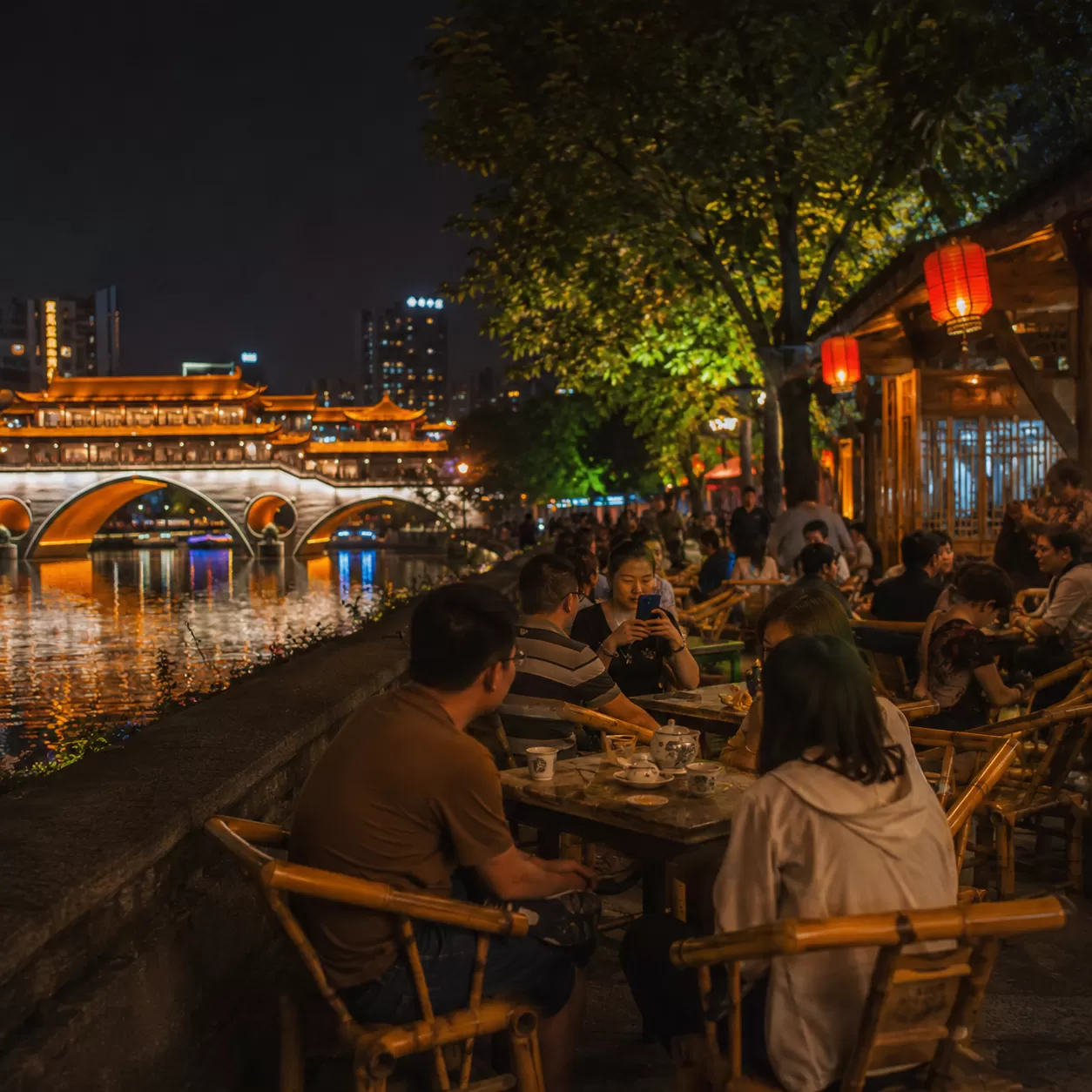
Nighttime is when I think Chengdu really comes alive. The city feels calmer, cooler, and more social after dark, and it’s the best time to slow down and enjoy the food, culture, and local atmosphere.
Night Markets and Food Streets
If I only had one evening in Chengdu, I’d spend it eating. The city’s night markets and food streets are a big part of the Chengdu travel guide experience, and they’re one of the easiest ways to sample real Sichuan cuisine.
Look for:
- Spicy skewers
- Chengdu hot pot
- Dan dan noodles
- Zhong dumplings
- Local snacks and sweet treats
For a fuller food-focused night, I’d also check out our Sichuan food guide before going out, especially if I wanted help choosing dishes or handling the spice level.
Sichuan Opera at Night
A Sichuan opera show is one of the most classic cultural things to do in Chengdu at night. The most famous part is face-changing, where performers switch masks in seconds. It’s quick, dramatic, and easy to enjoy even if you do not know the story.
Best for:
- First-time visitors
- Families
- Travelers who want a short cultural show after dinner
I usually treat this as a great add-on after exploring the city, especially if I’ve already spent the day at Wuhou Shrine or Du Fu Thatched Cottage.
Jinli Ancient Street After Dark
Jinli Ancient Street is better at night than in the daytime, in my opinion. The lights, snack stalls, and traditional buildings give it a much better atmosphere after sunset. It’s one of the most popular Chengdu attractions for an evening walk.
What to do there:
- Try local street food
- Shop for small souvenirs
- Take photos of the old-style architecture
- Just walk and enjoy the crowd
If I wanted a relaxed evening with a mix of food and culture, Jinli would be near the top of my list.
Kuanzhai Alley in the Evening
Kuanzhai Alley is another easy night stop. It has more of a polished heritage feel, with teahouses, cafes, small bars, and shops. It’s less intense than a market and works well if I want a slower night out.
Best for:
- Casual strolling
- Coffee or tea
- Light shopping
- A low-key dinner or drink
Dinner and Drinks at Taikoo Li
For a more modern night out, I’d head to Taikoo Li and nearby Chunxi Road. This area is one of the best places in Chengdu for dinner, drinks, and people-watching. It feels more international, with brand-name stores, stylish restaurants, and plenty of cafes and bars.
Good for:
- A nicer dinner
- Cocktails or beer
- Shopping before or after dinner
- A modern contrast to Chengdu’s older districts
Teahouses and Riverside Walks
If I want something quieter, Chengdu’s teahouses are still a great evening option. Some stay open late, and they’re a nice way to slow down after a busy day. I’d also consider a simple riverside walk if I wanted fresh air and a more local pace.
What I like most:
- Calm setting
- Easy way to watch local life
- Good break from heavy sightseeing
- A slower, more authentic Chengdu night
Best Night Plan in Chengdu
If I were planning one evening, I’d do it like this:
- Early dinner at a local food street or hot pot spot
- Sichuan opera or a walk through Jinli Ancient Street
- Dessert, tea, or drinks at Kuanzhai Alley or Taikoo Li
- End with a riverside stroll or a quiet teahouse stop
That mix gives me food, culture, and a real feel for Chengdu nightlife without rushing around.
What to Eat in Chengdu
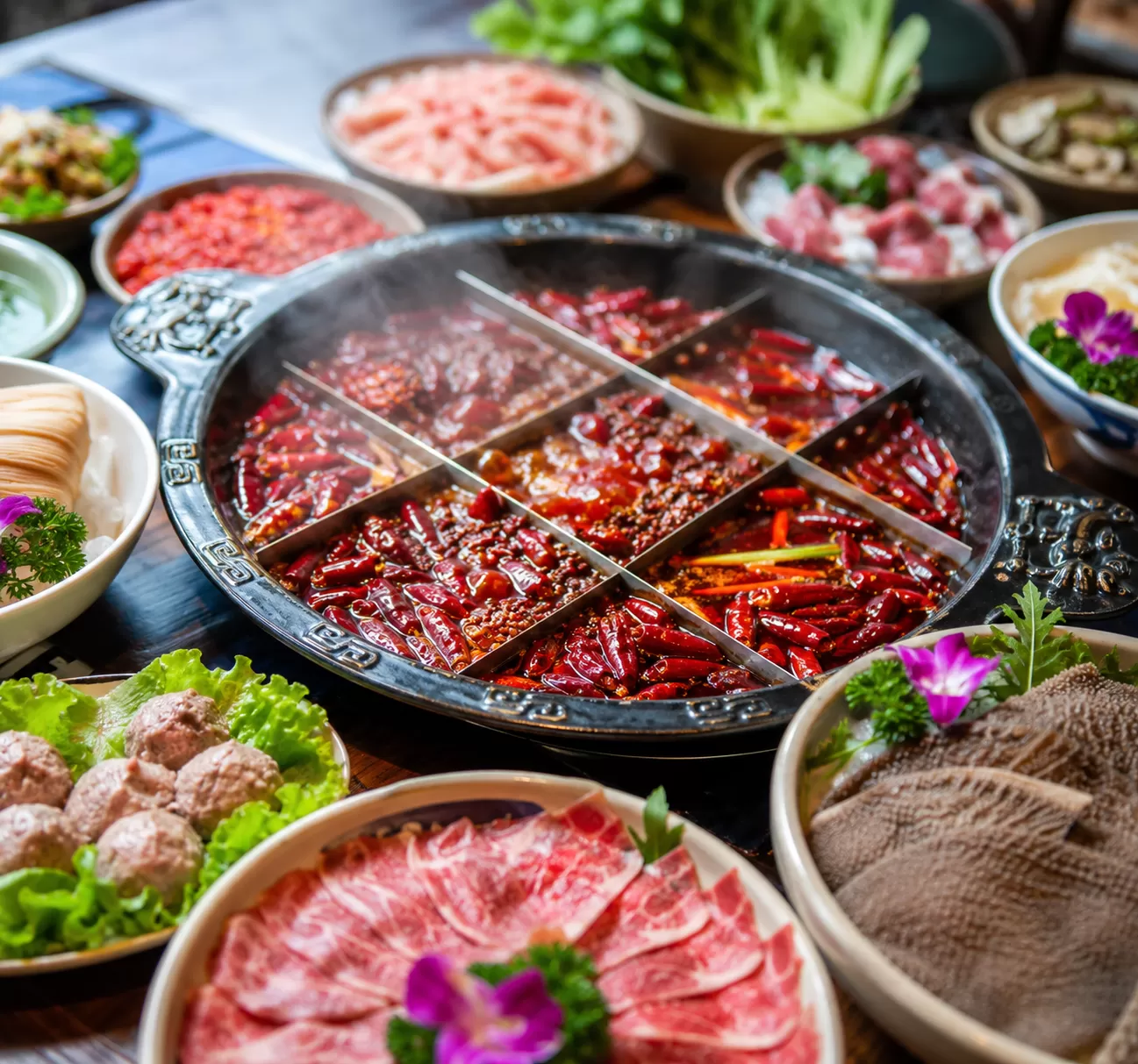
If I’m in Chengdu, food is a big part of the trip. Chengdu is a UNESCO City of Gastronomy, and the local food scene is one of the best reasons to visit. The flavors are bold, rich, and usually spicy, but there are still plenty of ways to eat well if you want to keep the heat down.
Must-Try Chengdu Food
Here are the dishes I’d put at the top of my Chengdu travel guide food list:
- Chengdu hot pot – the classic local meal, with a deep, numbing spice from Sichuan peppercorns
- Mapo tofu – soft tofu, minced meat, and a spicy bean-based sauce
- Dan dan noodles – one of the most famous Sichuan noodles, usually with chili oil and ground pork
- Zhong dumplings – simple dumplings served with a savory, garlicky sauce
- Rabbit head – a local specialty that’s popular with adventurous eaters
- Spicy skewers – a casual street-style snack that’s easy to share
- Sichuan noodles – usually bold, spicy, and full of garlic, chili, and vinegar
- Twice-cooked pork – a classic dish that’s smoky, salty, and rich
If you only try a few things, I’d start with hot pot, mapo tofu, dan dan noodles, and Zhong dumplings. Those give you a good feel for Chengdu’s food culture without going too far off the usual path.
Where to Eat
For a first trip, I like mixing a few different spots:
- Local hot pot restaurants for the full Chengdu hot pot experience
- Snack streets and casual noodle shops for quick meals
- Jinli Ancient Street and Kuanzhai Alley for easy tasting and browsing
- People’s Park teahouses for a slower, local-style food break
If you want a wider travel plan that balances food with sightseeing, I’d pair meals with the main Chengdu attractions and local streets instead of treating food as a separate stop.
Spice Tips for Travelers
Sichuan cuisine can be intense, but it doesn’t have to overwhelm you. When I order, I keep it simple:
- “Mild” = less spicy than usual, but still may have some chili flavor
- “Less spicy” = a safer choice if you want heat, but not too much
- “Local spicy” = usually the real deal, and often much hotter than visitors expect
- “No chili” = still may have Sichuan peppercorns, garlic, or chili oil unless you ask clearly
A few other traveler-friendly tips:
- Start with small portions if you’re trying several dishes
- Ask for sauce or chili on the side when possible
- Don’t assume “not too spicy” means mild by U.S. standards
- If you’re sensitive to heat, keep plain rice, noodles, or tea nearby
- In hot pot, I’d choose a split pot if I want both spicy and non-spicy broth
Simple Dining Etiquette
Chengdu dining is usually casual and easygoing, but a few habits help:
- Share dishes with the table when eating hot pot or family-style meals
- Use serving chopsticks if they’re provided
- Don’t be shy about asking questions about spice level or ingredients
- Go with the flow at busy local spots; service can be quick and direct
- Take your time at tea houses and relaxed restaurants, since meals are often part of the experience
For me, eating in Chengdu is one of the best parts of the whole trip. The food is a real reason people come here, and it’s one of the easiest ways to understand the city’s culture, energy, and everyday life.
How Many Days Do You Need in Chengdu?
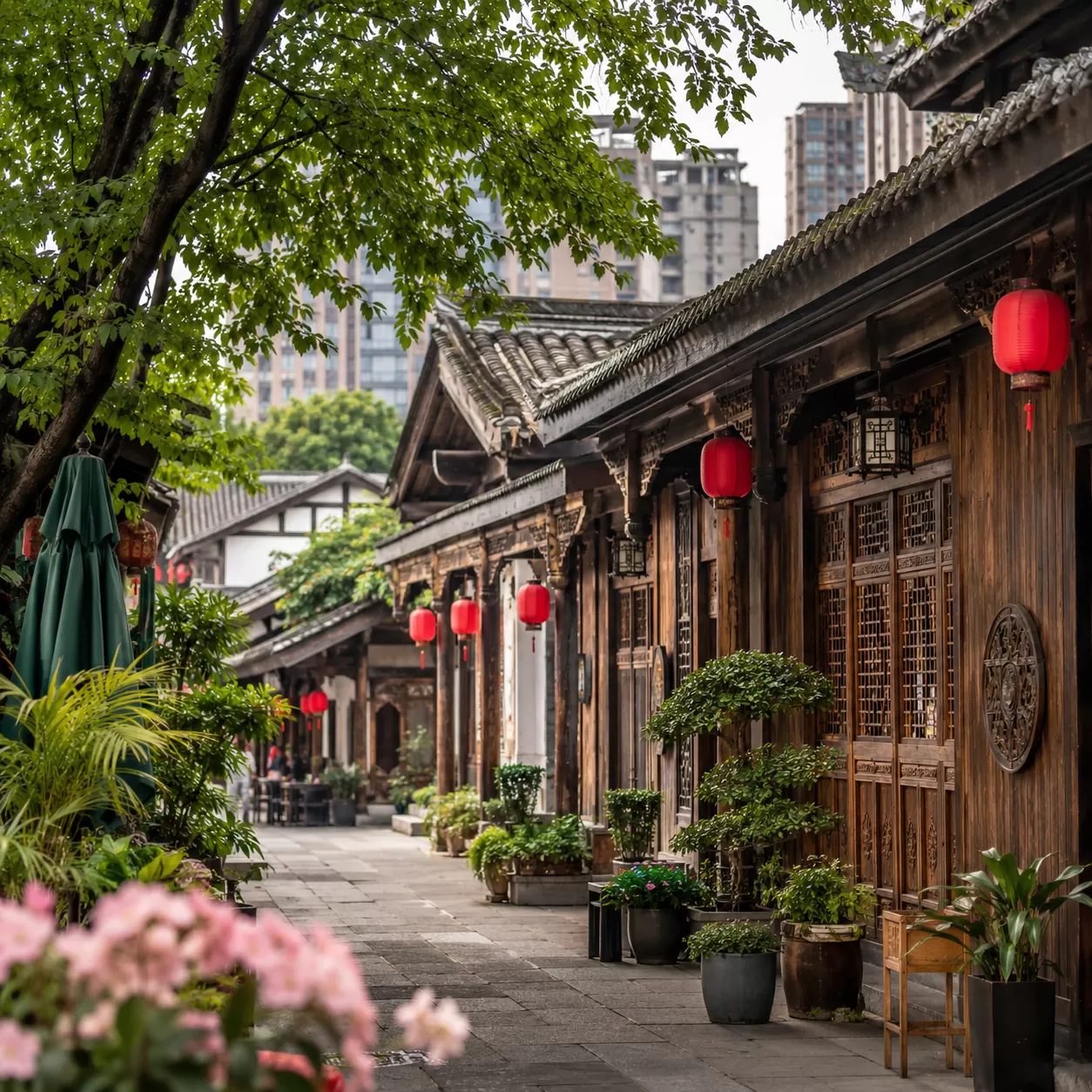
If I were planning a Chengdu travel guide trip for the first time, I’d say 2 to 4 days is the sweet spot. That gives me enough time to see the main Chengdu attractions, try the food, and still move at a relaxed pace.
1-Day Chengdu Itinerary
If I only have one day, I’d keep it simple and focus on the essentials:
- Morning: Chengdu Panda Base
- Lunch: local Sichuan food
- Afternoon: Jinli Ancient Street or Wuhou Shrine
- Evening: Sichuan opera or a Chengdu hot pot dinner
This works best if I want a fast look at the city’s biggest highlights, but it will feel rushed. I’d use this option for a short stopover or a very tight schedule.
2-Day Chengdu Itinerary
With two days, I can slow down and enjoy the city more:
Day 1
- Chengdu Panda Base
- People’s Park
- Kuanzhai Alley
Day 2
- Wuhou Shrine
- Jinli Ancient Street
- Taikoo Li
- Night cultural experience or dinner out
This is the best balance if I want to cover the best places to visit in Chengdu without packing the days too tightly. It gives me time for both history and modern city life.
3- to 4-Day Chengdu Itinerary
If I have three or four days, I can mix the city with day trips from Chengdu:
- Dujiangyan for classic engineering history
- Mount Qingcheng for nature and Taoist culture
- Leshan Giant Buddha for one of the top heritage sites near Chengdu
I’d use this extra time to balance pandas, food, temples, and countryside views. It makes the trip feel less rushed and gives me a better feel for southwest China.
Quick Answer
For most travelers, I’d recommend:
| Trip Length | Best For |
|---|---|
| 1 day | Panda Base + one or two city highlights |
| 2 days | Main Chengdu attractions and food |
| 3–4 days | City sights plus nature and heritage day trips |
If you want the most complete experience, 3 days is usually the best starting point. It gives me enough time to enjoy the city without feeling like I’m racing through it.
Best Time to Visit Chengdu
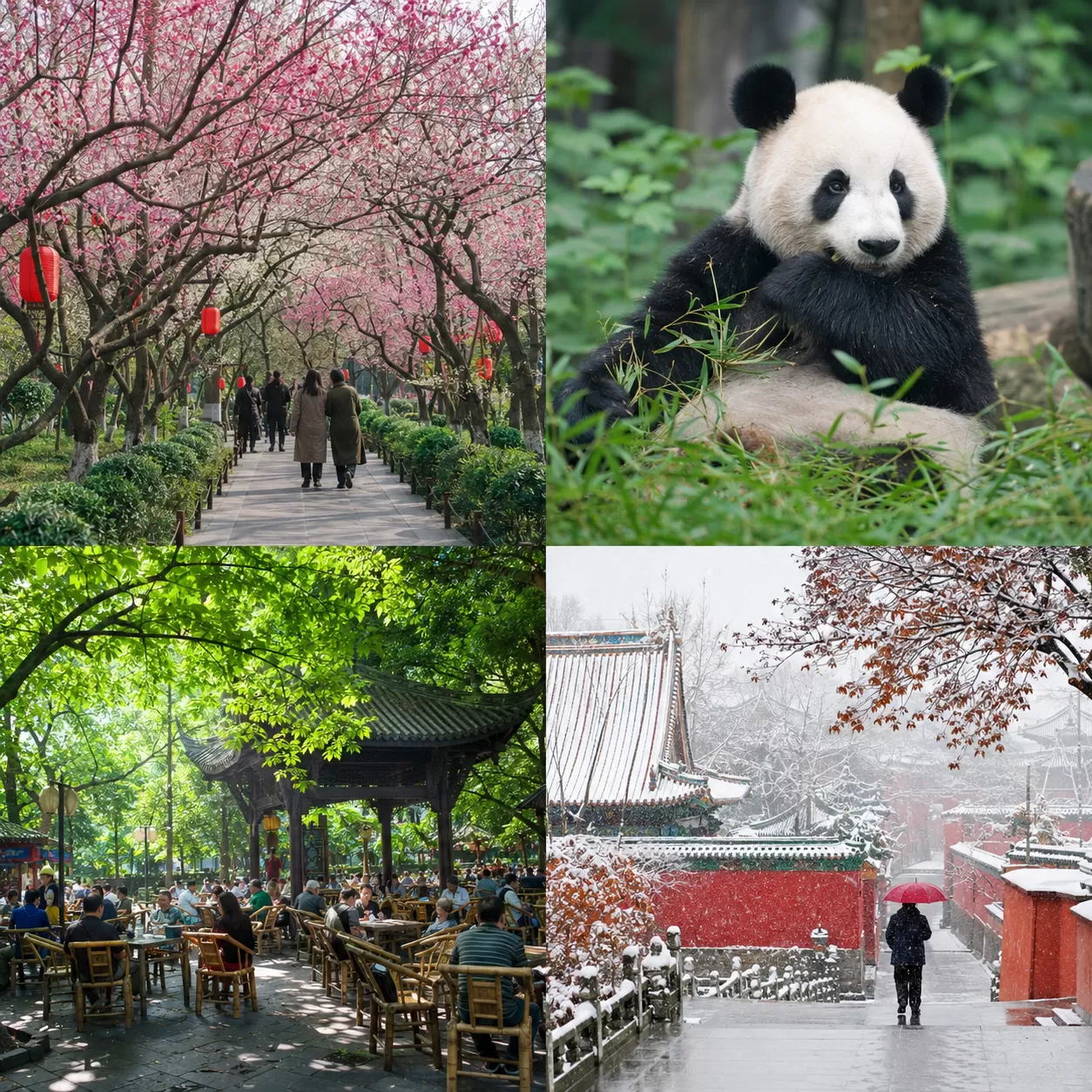
If I had to pick the easiest time to enjoy Chengdu attractions, I’d choose spring or autumn. Chengdu has a mild, humid climate for much of the year, so the city is still visitable in every season, but the weather changes how I plan my Chengdu itinerary.
Seasonal Weather at a Glance
| Season | Weather | What It Means for Visitors |
|---|---|---|
| Spring (Mar–May) | Mild, sometimes rainy | Great for city walks, teahouses, and day trips |
| Summer (Jun–Aug) | Hot, humid, and rainy | Good for indoor sights, food tours, and evening plans |
| Autumn (Sep–Nov) | Cool, clear, and comfortable | One of the best times for sightseeing and outdoor trips |
| Winter (Dec–Feb) | Cool, damp, and often gray | Quieter crowds, but bring layers and plan for indoor stops |
My Best Pick: Spring and Autumn
For most travelers from the U.S., spring and autumn are the sweet spot. The weather is more comfortable for walking around Jinli Ancient Street, Kuanzhai Alley, and People’s Park, and it’s easier to fit in day trips from Chengdu like Mount Qingcheng or Dujiangyan.
Why I like these seasons most:
- Comfortable temperatures for sightseeing
- Better conditions for photos and city exploration
- Easier hiking and outdoor travel
- Less tiring if you’re packing a lot into a short trip
Summer and Winter Expectations
Summer in Chengdu can feel hot and sticky, and rain is common. I’d focus more on indoor or evening activities like Sichuan opera, tea houses, museums, and Chengdu nightlife spots.
Winter is usually not extreme, but it can feel damp and chilly. It’s still a good time for the Chengdu Panda Base, especially if you want fewer crowds. Just dress in layers and keep your plans flexible.
Seasonal Tips for Pandas and Day Trips
If seeing pandas is high on your list, I’d go early in the morning no matter the season. The Chengdu Panda Base is usually best when the weather is cooler, because the pandas tend to be more active.
A few simple planning tips:
- Panda Base: Go early, especially in warmer months
- City walks: Best in spring and autumn
- Day trips: Check weather before heading to Leshan, Dujiangyan, or Mount Qingcheng
- Rainy season: Keep indoor backup plans ready
- Winter trips: Pick more culture stops and food-focused plans
If you want the most balanced Chengdu travel guide experience, I’d say March to May and September to November are the best months to visit Chengdu.
Chengdu Travel Guide: Travel Tips for Visiting Chengdu
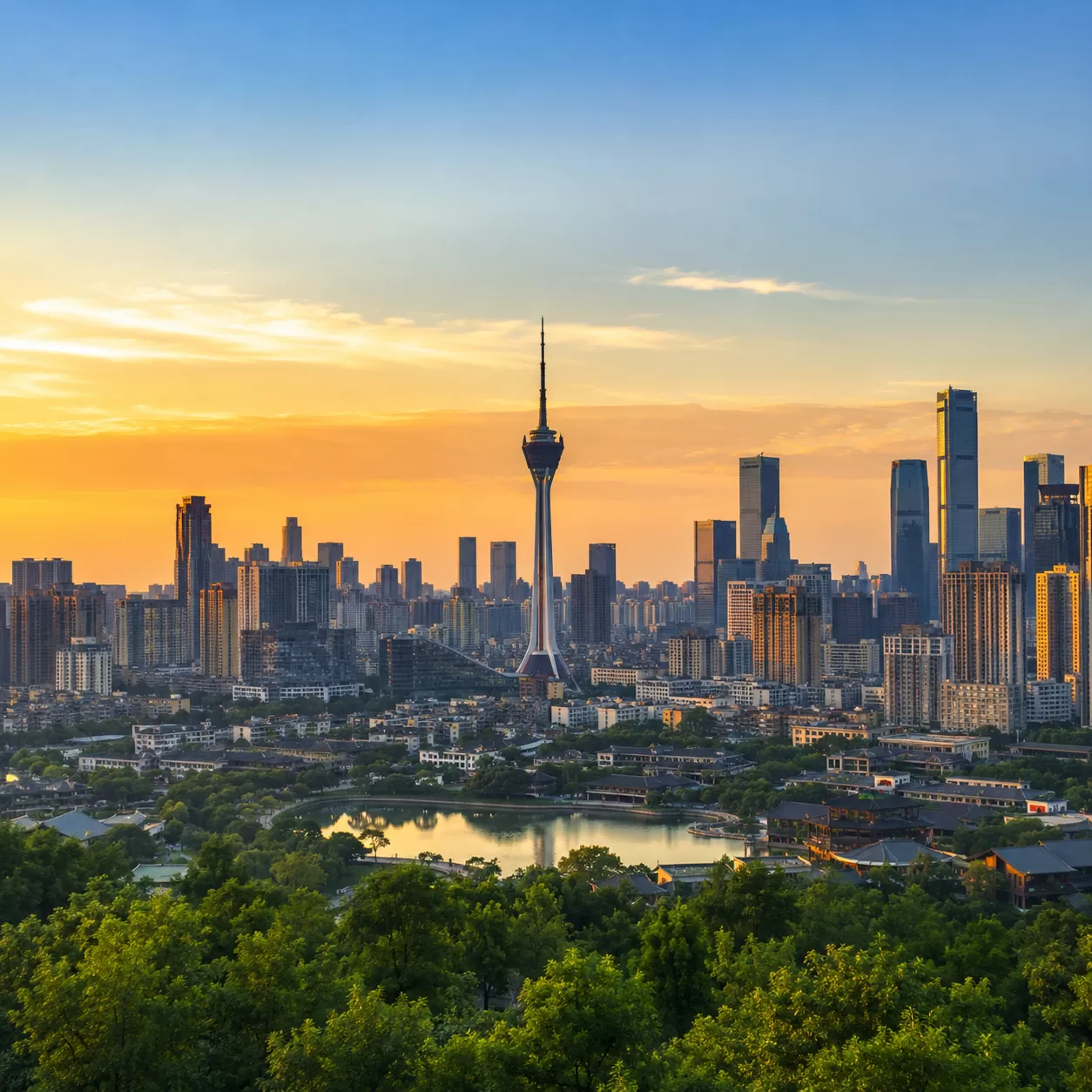
Getting around Chengdu is pretty easy once I learned the basics. The city has a strong metro system, taxis are affordable, and ride-hailing works well for most travelers. I also found that walking is a good option in areas like Jinli Ancient Street, Kuanzhai Alley, and Taikoo Li, where the main Chengdu attractions are close together.
Getting Around Chengdu
Here’s what works best for me in Chengdu:
- Metro: Fast, cheap, and usually the easiest way to avoid traffic.
- Taxi: Good for short trips or when I’m carrying luggage.
- Ride-hailing: Handy for longer rides and late-night returns.
- Walking: Best for sightseeing districts, parks, and heritage streets.
If I’m planning a full day of things to do in Chengdu, I usually combine the metro with short taxi rides to save time.
Apps and Payments
A few travel habits make Chengdu much easier:
- Use a payment app if possible: Many places in China prefer mobile payment.
- Carry some cash or a backup card: Small shops and older tea houses may be less flexible.
- Translate on the fly: A translation app helps a lot in restaurants and taxis.
- Save your hotel address in Chinese: This is one of the best travel tips for first-time visitors.
For city navigation, I keep addresses and attraction names ready in Chinese, especially when I’m heading to places like the Chengdu Panda Base or Wuhou Shrine.
Language Tips
English is not always widely spoken, so I keep communication simple:
- Use short phrases and clear numbers.
- Show the destination on my phone instead of trying to explain it.
- Ask hotel staff to write key places in Chinese for me.
- Use picture menus when ordering Sichuan cuisine and Chengdu hot pot.
A little prep goes a long way, especially if I want a smoother Chengdu itinerary.
Where to Stay in Chengdu
For first-timers, I think the best places to stay are:
- Jinjiang District: Good for central access and easy sightseeing
- Near Chunxi Road / Taikoo Li: Best for shopping, dining, and nightlife
- Near Tianfu Square: Convenient for metro connections
- Near Kuanzhai Alley: Good if I want a more relaxed, cultural feel
If I’m short on time, I usually stay near Chunxi Road or Taikoo Li because it’s easy to get around and there are plenty of food and hotel choices.
Practical Planning Tips
A few simple tips help me get more out of a Chengdu travel guide:
- For panda lovers: Stay close to the Panda Base or plan an early start.
- For food lovers: Stay near busy dining areas and snack streets.
- For culture lovers: Pick a hotel near Wuhou Shrine, Jinli, or historic districts.
- For slow travel: Choose a quieter area near a park, teahouse, or riverside walk.
If I’m only in town for 1 to 2 days, I keep the route tight and focus on the best places to visit in Chengdu without rushing. For longer stays, I leave room for day trips from Chengdu like Dujiangyan, Mount Qingcheng, or Leshan.
Quick First-Timer Advice
- Start early for the Chengdu Panda Base.
- Plan meals around spicy food tolerance.
- Keep your hotel name and address in Chinese.
- Mix city sights with at least one cultural stop.
- Build in downtime at a Chengdu tea house or park.
For most U.S. travelers, Chengdu is easy to enjoy once the basics are set. With good planning, I can cover the top Chengdu attractions, try the local food, and still keep the trip relaxed.
Chengdu Travel Guide: Itineraries by Interest
If I’m planning a trip to Chengdu, I like to build it around what I care about most. That makes it easier to enjoy the city without rushing. Chengdu works well for a short city break or a slower trip, and it’s easy to mix Chengdu attractions, food, and culture into one solid Chengdu itinerary.
For Panda Lovers
If pandas are the main draw, I’d start with the Chengdu Panda Base early in the morning.
Best plan:
- Visit the Chengdu Research Base of Giant Panda Breeding
- Stop for panda-themed souvenirs nearby
- Add a nature stop if you have extra time, like Mount Qingcheng or another green space
Why this works:
- Pandas are most active early
- You get the best photo chances before the crowds build
- It keeps the day focused and easy
For Food Lovers
If my trip is mostly about Sichuan cuisine, I’d build the day around eating, walking, and snacking.
Best plan:
- Try Chengdu hot pot for lunch or dinner
- Walk a snack street or Jinli Ancient Street
- Relax at a Chengdu tea house
- End the night with local food stalls or Chengdu nightlife spots
Must-try foods:
- Mapo tofu
- Dan dan noodles
- Zhong dumplings
- Spicy skewers
- Sichuan noodles
If you want a slower food day, I’d also mix in a tea stop and a casual dinner instead of trying too many heavy meals at once.
For Culture Lovers
If I’m more into history and local heritage, I’d focus on Chengdu’s classic landmarks and performance scene.
Best plan:
- Visit Wuhou Shrine
- Walk through Du Fu Thatched Cottage
- Catch a Sichuan opera show
- Spend time in a traditional teahouse
- Add historic streets like Kuanzhai Alley or Jinli Ancient Street
This is the best option if you want a deeper look at the city’s Three Kingdoms history, Tang poetry connections, and old Chengdu atmosphere.
For Slow Travel Fans
If I want a calm trip, Chengdu is one of the easiest cities in China for that style.
Best plan:
- Start at People’s Park
- Sit in a teahouse
- Take a riverside walk
- Explore local neighborhoods at a relaxed pace
- Leave room for unplanned stops and long breaks
Why it works:
- Chengdu is known for its slower rhythm
- You can enjoy local life instead of just checking off sights
- It’s a good fit for travelers who want less pressure and more comfort
Quick Match Guide
| Travel Style | Best Places to Visit in Chengdu |
|---|---|
| Panda Lovers | Chengdu Panda Base, souvenir shops, nature add-ons |
| Food Lovers | Hot pot, snack streets, tea houses, night markets |
| Culture Lovers | Wuhou Shrine, Du Fu Thatched Cottage, Sichuan opera |
| Slow Travel Fans | People’s Park, riverside walks, local neighborhoods |
If I were putting together one flexible Chengdu travel guide, I’d mix at least one major attraction, one food stop, and one slow afternoon. That gives me the best balance of things to see in Chengdu without packing the day too full.
FAQ: Things to Do in Chengdu
Is Chengdu worth visiting?
Yes, I think Chengdu is absolutely worth visiting. It has a rare mix of big-city comfort, old-school culture, great food, and an easy pace that makes it very traveler-friendly. If I want a trip that feels both fun and low-stress, Chengdu is one of the best places to visit in Chengdu and one of the top Chengdu attractions for first-timers.
How many days should I spend in Chengdu?
It depends on what I want to see:
- 1 day: Enough for the Panda Base plus one or two city stops
- 2 days: Good for the main highlights like Jinli Ancient Street, Wuhou Shrine, and People’s Park
- 3 to 4 days: Best if I want to add day trips from Chengdu like Dujiangyan, Mount Qingcheng, or Leshan
For a balanced Chengdu itinerary, I’d aim for at least 2 to 3 days.
What is Chengdu best known for?
Chengdu is best known for:
- Chengdu Panda Base
- Sichuan cuisine
- Chengdu hot pot
- Sichuan opera
- Relaxed Chengdu tea houses
- Historic sites like Wuhou Shrine and Du Fu Thatched Cottage
It’s also known as a city that feels easier and slower than many other big Chinese cities.
Is Chengdu good for first-time visitors to China?
Yes. I think Chengdu is a strong choice for first-time visitors because it feels modern, but not overwhelming. The metro is easy to use, the major sights are simple to reach, and the city has plenty of traveler-friendly food and hotel options.
If someone wants a softer introduction to China, Chengdu is a smart pick.
What should I not miss in Chengdu?
If I had to narrow down the top things to see in Chengdu, I would not skip:
- Chengdu Panda Base
- Jinli Ancient Street
- Wuhou Shrine
- People’s Park
- Sichuan opera
- A real Sichuan cuisine meal
- Kuanzhai Alley
- Du Fu Thatched Cottage
If I only had one evening, I’d also make time for a night walk, hot pot, or a show.
Is Chengdu very spicy for tourists?
It can be, but it doesn’t have to be. A lot of Sichuan cuisine is known for bold spice and numbing peppercorn flavor, but many restaurants can adjust the heat.
Useful ordering words:
- Mild = low spice
- Less spicy = still some heat, but easier to handle
- Local spicy = closer to the real Chengdu style
- No chili = safest choice if I want to keep it very light
If I’m not used to spice, I’d start mild and work up from there.
Can I see pandas in Chengdu in one day?
Yes, I can. The Chengdu Panda Base is the best place for that, and it’s very doable in a half day or one full day. I’d go early in the morning because pandas are usually more active then, especially around feeding time.
If I want a simple one-day plan, I’d do:
- Morning: Panda Base
- Lunch: local Sichuan food
- Afternoon: Jinli Ancient Street or Wuhou Shrine
- Evening: Chengdu nightlife, hot pot, or a Sichuan opera show