General Climate Overview of Chengdu
Chengdu enjoys a subtropical humid climate, which means it has mild winters, hot summers, and plenty of moisture throughout the year. If you’re wondering about Chengdu weather by month, expect a mix of sunshine, rain, and comfortable temperatures depending on the season.
Here’s a quick seasonal breakdown:
- Spring (March–May): Mild temperatures between 50°F and 75°F, with moderate rainfall that helps the city’s famous flowers bloom.
- Summer (June–August): Hot and humid, averaging 75°F to 90°F, with frequent afternoon showers and occasional heavy rain.
- Autumn (September–November): Cooler and drier, temperatures range from 55°F to 75°F, offering crisp air and clear skies.
- Winter (December–February): Chilly but not freezing, with temps from 35°F to 50°F, and damp conditions that can feel colder than the thermometer shows.
Average precipitation varies, with the wettest months in summer and the driest in winter and autumn. This mix of temperature and rain shapes the best time to visit Chengdu, so knowing the Chengdu climate and temperature patterns helps you plan your trip for ideal sightseeing and comfort.
Best Season(s) to Visit Chengdu
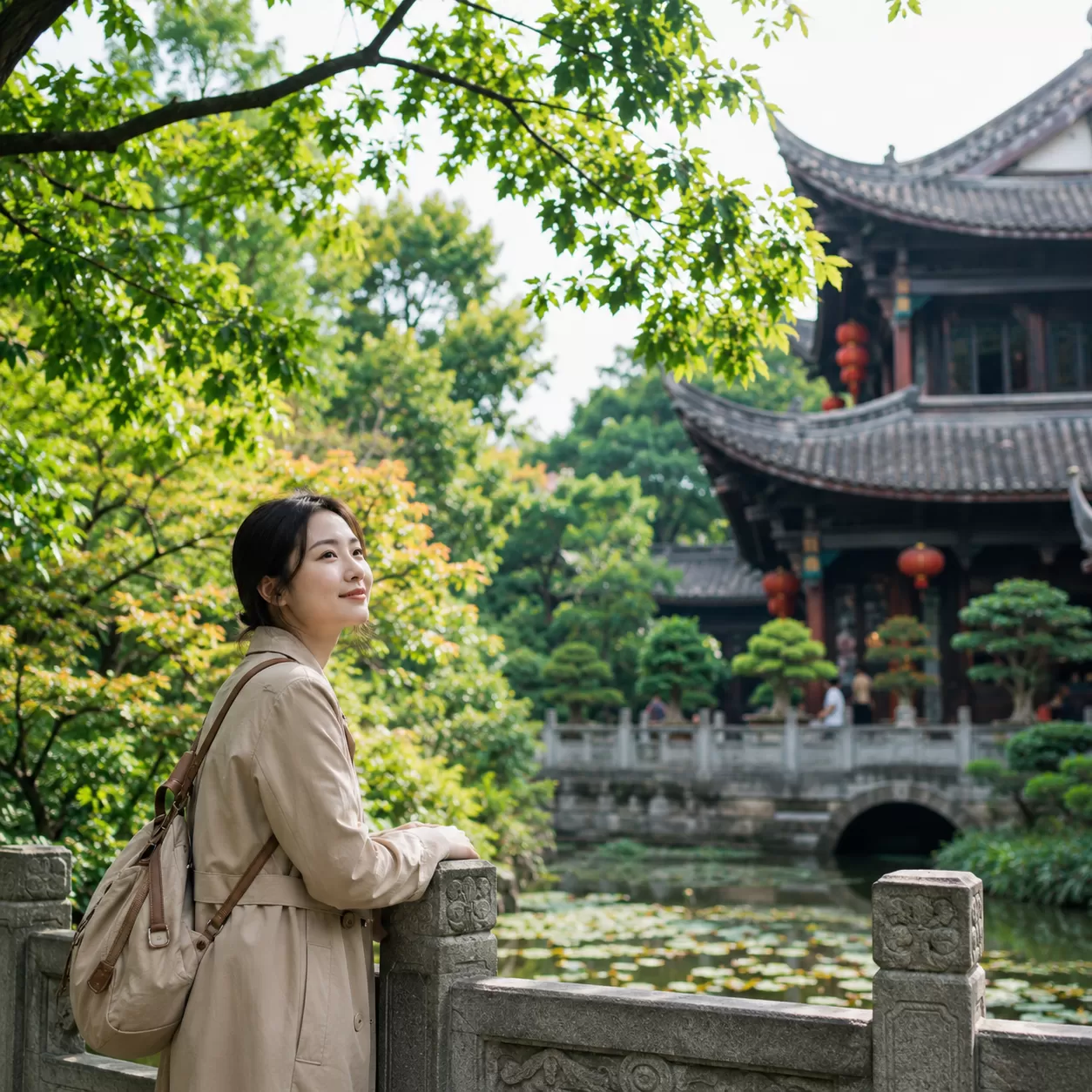
The best time to visit Chengdu is during spring (March to May) and autumn (September to November). These seasons offer the most pleasant weather, making sightseeing and outdoor activities much more enjoyable.
Why Spring and Autumn?
- Mild temperatures: Spring and autumn in Chengdu are neither too hot nor too cold, usually ranging from 60°F to 75°F (15°C to 24°C).
- Less rain: These seasons experience fewer rain interruptions compared to the heavy summer rains, so outdoor plans are less likely to be disrupted.
- Clear skies: Autumn especially brings clearer skies and vibrant foliage, perfect for exploring parks and cultural sites.
- Comfortable humidity: The subtropical humid climate is more bearable in these months, avoiding the sticky summer or damp winter feel.
How Spring and Autumn Compare to Other Seasons
| Season | Weather Conditions | Drawbacks |
|---|---|---|
| Spring | Mild, blooming flowers | Occasional light rain |
| Summer | Hot, humid, heavy rain | Can be uncomfortable for outdoor activities |
| Autumn | Cool, clear skies, colorful foliage | Shorter days |
| Winter | Cool, damp, possibility of light snow | Less ideal for outdoor sightseeing |
Compared to summer, when Chengdu can get quite hot and humid, spring and autumn provide a more comfortable climate for travelers. Winter tends to be cooler and damp, which might not suit everyone, especially if you plan to spend a lot of time outdoors.
For a detailed travel plan and tips on visiting Chengdu in different seasons, check out this comprehensive Chengdu travel guide.
Chengdu by Season: What to Expect
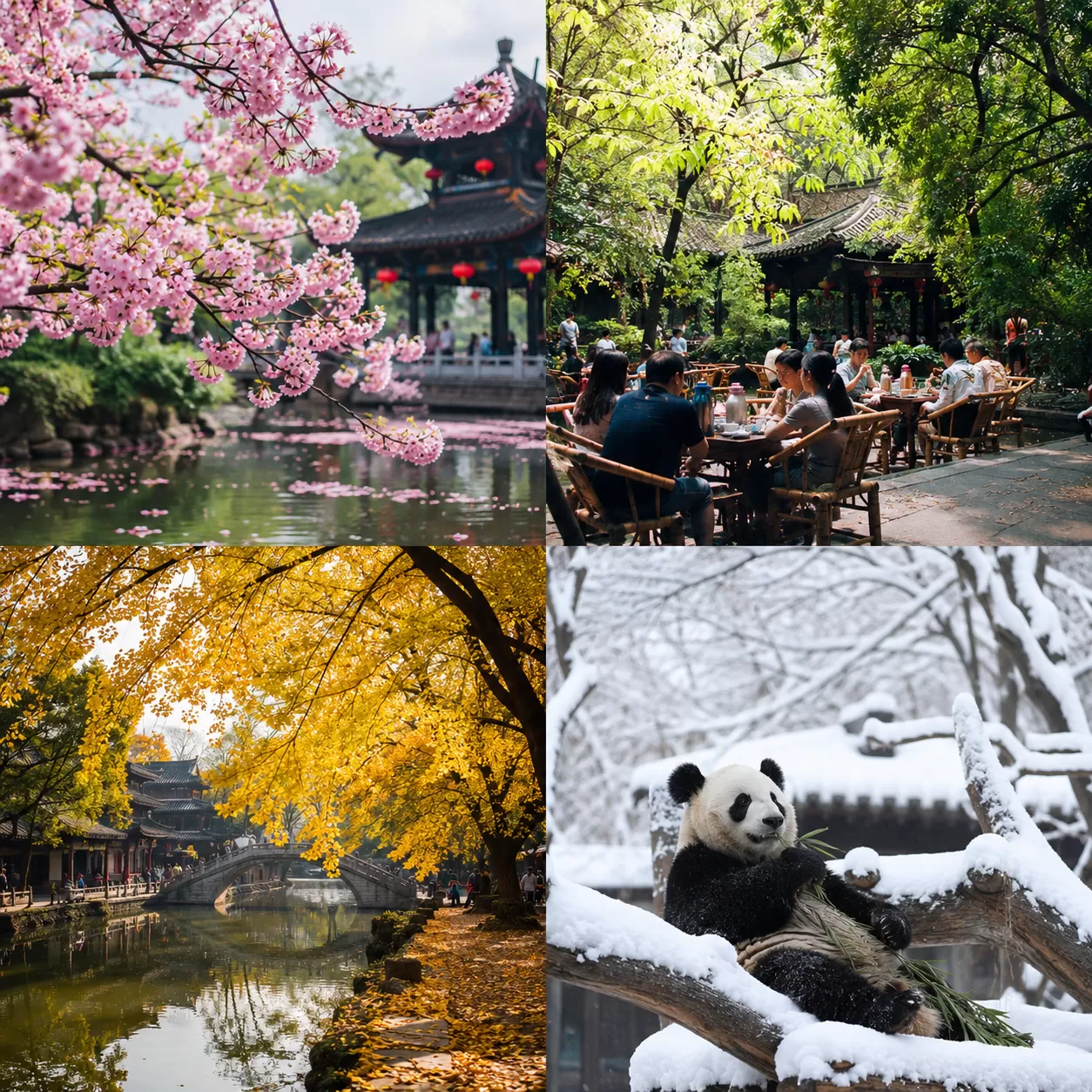
Spring (March-May)
Spring in Chengdu is a fantastic time to visit. With mild temperatures and blooming flowers, the city feels fresh and lively. This season is popular for local festivals and seeing pandas at their most active, making it ideal for wildlife lovers. The comfortable weather allows for easy sightseeing without the summer heat or winter chill.
Summer (June-August)
Summer brings hot and humid weather, typical of Chengdu’s subtropical climate. Rain showers can be frequent, so pack light rain gear and plan for indoor attractions like museums or enjoying the vibrant nightlife to stay comfortable. Staying hydrated and scheduling outdoor activities early in the day can help beat the heat.
Autumn (September-November)
Autumn is one of the best times for visiting Chengdu. The skies clear, temperatures cool down, and colorful autumn foliage decorates parks and streets. This season features lively food festivals and cultural events, perfect for travelers who want to explore local traditions and cuisine in pleasant weather.
Winter (December-February)
Winters in Chengdu are cooler and often damp, with fewer tourists around. Though snowfall is light and rare, the season offers unique culinary delights and a quieter city experience. It’s a great time for those who prefer exploring without crowds and want to enjoy Chengdu’s famous hot pots and other winter specialties.
For more detailed travel tips, it’s useful to check seasonal advice and plan your visit accordingly to make the most of Chengdu’s wonderful weather by month.
Events and Festivals: Timing Your Visit Around Local Culture
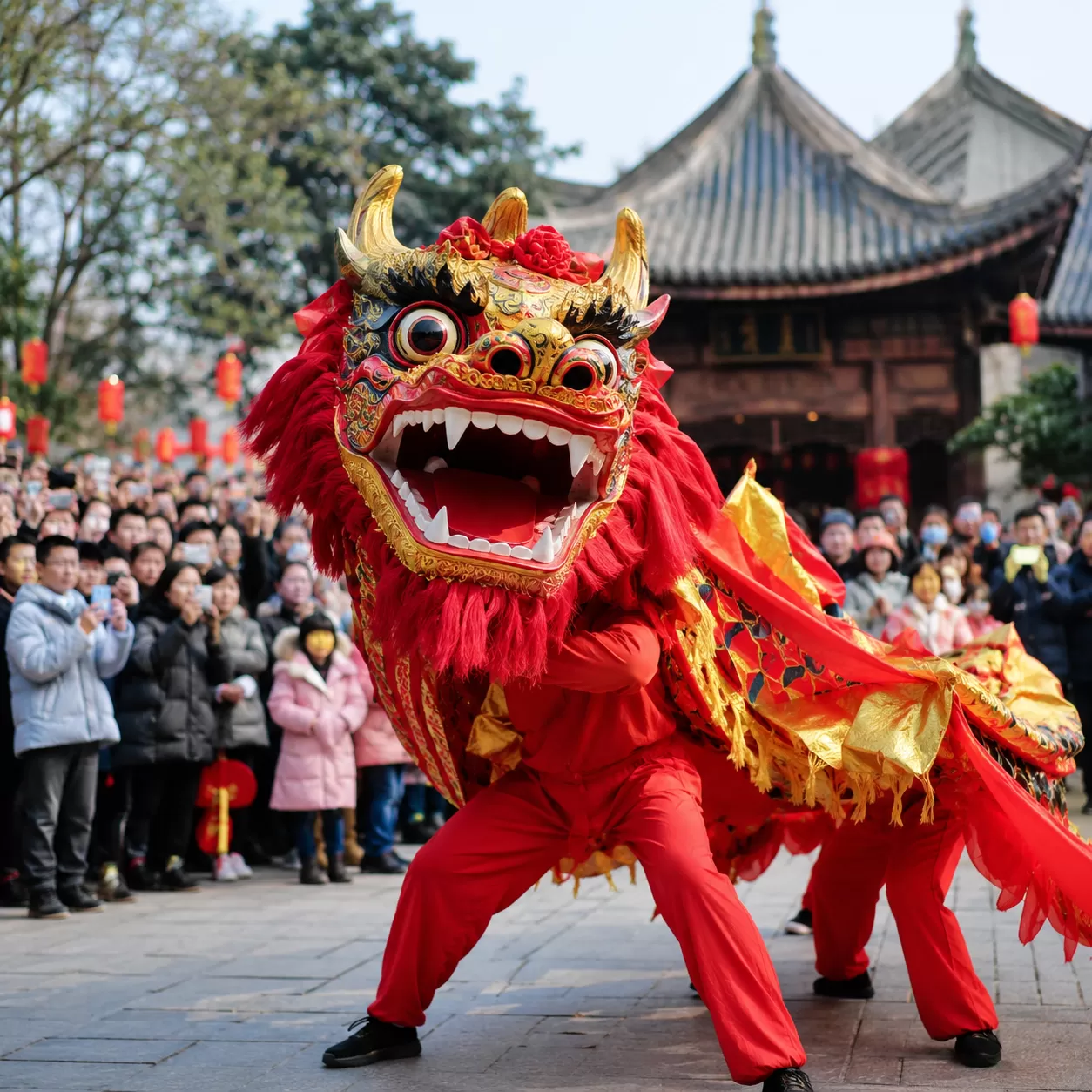
Chengdu’s vibrant culture shines through its many festivals, making timing your visit around these events a great way to experience the city’s local flavor. The Chinese New Year in Chengdu is a major celebration filled with traditional performances, lantern displays, and family gatherings. It’s a fantastic time to witness the city’s rich heritage and join in the festive spirit.
Another unique event is the Dujiangyan Water Splashing Festival, usually held in late spring or early summer. This lively festival involves water fights, traditional music, and dance, offering a refreshing break from the summer heat and a glimpse into local customs.
For wildlife enthusiasts, the Chengdu International Panda Festival is a highlight. Typically held in September, it celebrates the iconic giant panda with special activities at the Chengdu Research Base of Giant Panda Breeding, including panda-themed exhibitions and educational programs.
Don’t miss Chengdu’s famous food festivals, which occur throughout the year but peak in the autumn months. These festivals showcase Sichuan’s bold flavors and spicy cuisine, enhancing your travel experience with delicious local dishes and street food markets.
Planning your trip around these events not only enriches your visit but also helps you enjoy Chengdu’s culture at its liveliest. For more on Chinese cultural experiences, check out our detailed culture guide.
Tourist Crowds and Pricing Considerations
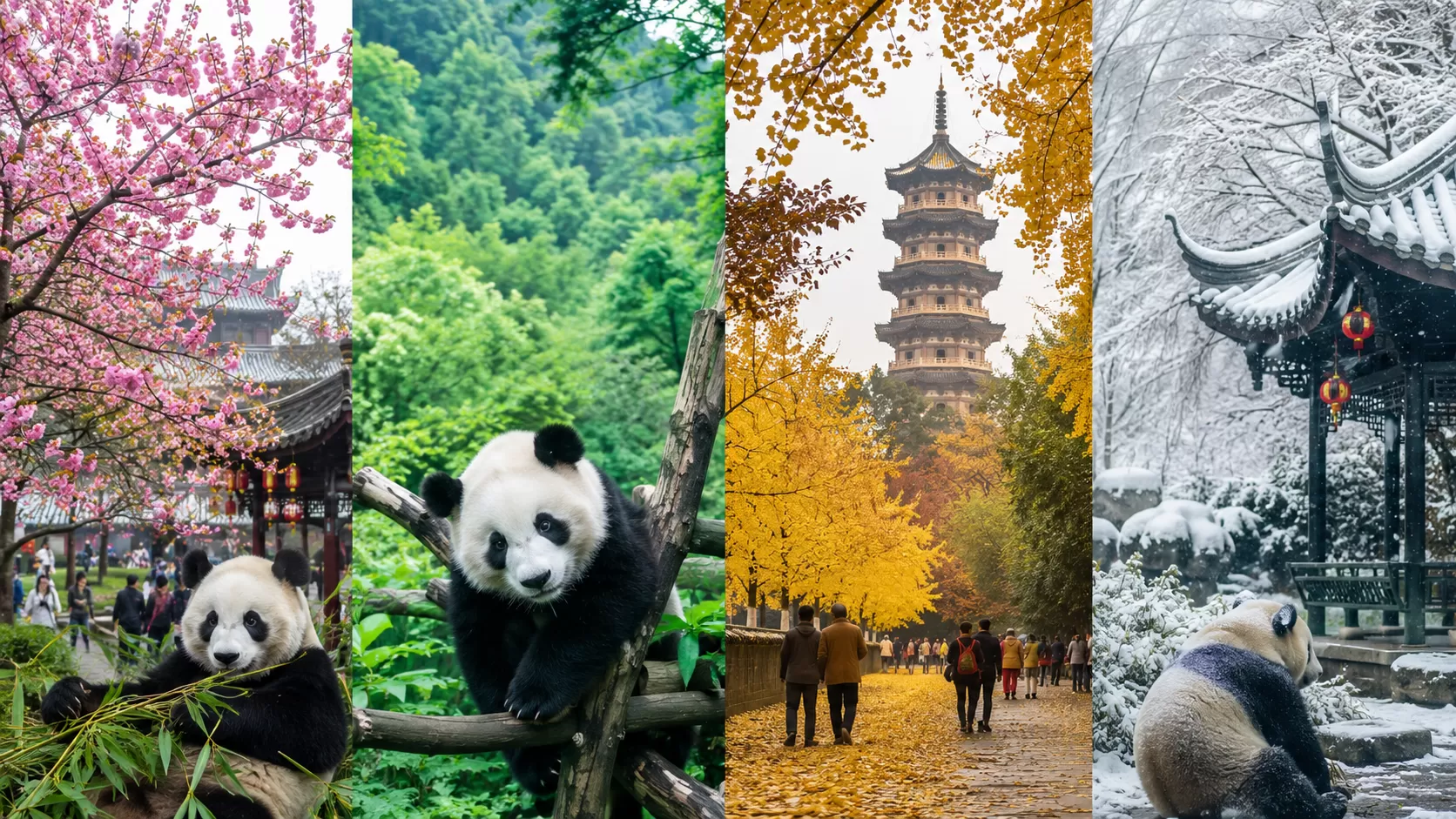
Chengdu tourist seasons play a big role in how crowded attractions get and how much you’ll pay for hotels and tours. The peak tourist seasons usually fall in spring (March to May) and autumn (September to November), when the weather is pleasant and ideal for sightseeing. During these months, popular spots like the Chengdu Research Base of Giant Panda Breeding can get busy, and prices for accommodations and tours tend to rise.
On the flip side, the low season—mainly summer and winter—offers some clear advantages. Summer brings hot, humid weather and occasional heavy rains, which can keep crowds down. Winter is cooler and damp, and fewer tourists visit, meaning quieter sites and better deals on hotels and tours. If you’re looking to save money and avoid crowds, traveling during these off-peak times can be a smart choice.
For the best experience, book your accommodations and tours well in advance during peak seasons to secure availability and better rates. If you’re traveling in the low season, last-minute deals are often available, but it’s still wise to plan ahead to avoid any surprises. Keeping an eye on Chengdu festivals calendar can also help you time your visit to either join in the celebrations or steer clear of busy periods.
Special Considerations for Wildlife Lovers

If you’re planning to visit the Chengdu Research Base of Giant Panda Breeding, timing is key for the best panda viewing experience. The ideal months are spring (March to May) and autumn (September to November), when pandas are most active in cooler, comfortable weather. During these seasons, you’ll catch pandas playing outdoors, especially in the mornings.
Panda breeding cycles also influence your visit. The mating season runs from March to May, so you might witness more social and playful behavior, while cubs born in late summer or early autumn start appearing around fall, adding to the charm. Winter months tend to be quieter, as pandas rest more and stay indoors to keep warm.
Keep in mind that the base’s visiting hours are usually early morning to afternoon, which aligns perfectly with peak panda activity times. Planning your visit around these times and seasons will maximize your chances of seeing these adorable animals in action.
For more tips on exploring Chengdu’s wildlife and attractions, check out the detailed things to do in Chengdu guide.
Travel Tips for Each Season in Chengdu

Packing smart and planning ahead can make your trip to Chengdu much smoother, no matter when you visit. Here’s what to keep in mind for each season:
Spring (March-May)
- Pack light layers like long-sleeve shirts and a light jacket for mild mornings and evenings.
- Bring comfortable shoes for exploring parks and festival sites.
- A small umbrella or raincoat is handy since spring showers are common.
- Book accommodations early during festival times to avoid last-minute price hikes.
Summer (June-August)
- Lightweight, breathable clothes are a must to handle Chengdu’s hot, humid weather.
- Don’t forget sunscreen, a hat, and sunglasses to protect against strong sun.
- Carry a compact umbrella or rain jacket to stay dry during sudden summer rains.
- Use air-conditioned transport or taxis to avoid the heat when possible.
- Consider booking hotels with good air conditioning or indoor attractions to cool off.
Autumn (September-November)
- Layered clothing works best as temperatures can vary throughout the day.
- A warm jacket for cooler evenings is recommended.
- This is a great time for outdoor activities, so pack hiking shoes if you plan to explore nearby mountains.
- Early booking helps as autumn is one of the best months for Chengdu sightseeing and popular festivals.
Winter (December-February)
- Bring warm clothes, including a thick jacket, scarves, and gloves, as winters can be chilly and damp.
- Waterproof shoes or boots are useful since winter weather can be wet.
- Plan indoor activities and enjoy Chengdu’s winter cuisine to stay cozy.
- Off-season travel means better hotel deals, but check heating options before booking.
Transportation and Accommodation Tips:
- Chengdu’s public transport is reliable year-round, but during rainy seasons, taxis or ride-hailing services offer more comfort.
- Booking accommodations in advance during peak seasons (spring and autumn) ensures better rates and availability.
- Consider staying near major attractions or public transit lines to minimize travel time and avoid weather disruptions.
By packing appropriately and planning transportation and lodging carefully, you’ll enjoy Chengdu’s unique charm no matter the season. For more travel planning tips in China, you might find useful insights in guides like the Qingdao travel guide which also covers seasonal travel advice.
Frequently Asked Questions (FAQs)
Can you visit Chengdu year-round?
Yes, Chengdu is open for visitors all year round thanks to its mild subtropical humid climate. Each season offers something unique, from blooming spring flowers to colorful autumn foliage. However, spring (March to May) and autumn (September to November) are generally the best months for comfortable weather and sightseeing.
What is the best month for food lovers?
For food enthusiasts, autumn is the prime time to visit Chengdu. The cooler weather enhances the experience of enjoying spicy Sichuan cuisine, and the city hosts several food festivals that highlight local flavors. October and November are especially popular months for indulging in Chengdu’s vibrant food scene. For more on local food culture, check out our detailed Chengdu food festival dates.
How does weather affect outdoor activities?
Chengdu’s weather plays a big role in planning outdoor activities. Summers can be hot and humid with frequent rain, which might limit hiking or sightseeing outdoors. Winters are cooler and damp but less crowded, ideal for exploring cultural sites. Spring and autumn offer the best balance — mild temperatures and clearer skies make outdoor adventures like visiting panda reserves or hiking nearby mountains much more enjoyable. Planning your trip around these seasons helps avoid weather disruptions and maximizes your experience.