Chapter 1: What Is Chengdu Hot Pot? The History and Cultural Roots
Ever wonder how Chengdu hot pot became such a beloved staple of Sichuan cuisine? It all started back in the Qing Dynasty, when street vendors in Chengdu began serving simple, flavorful broths to hungry locals. Over time, this fiery, spicy dish grew into a cultural icon — a must-try for anyone visiting the city.
Chengdu hot pot isn’t just about the food; it’s about the experience. The flames symbolize warmth and togetherness, while the signature numbing spice from Sichuan peppercorns adds a unique kick that keeps people coming back. Sharing a hot pot meal is a social event, bringing friends, family, and colleagues together around a bubbling pot of flavor.
This traditional Sichuan hot pot perfectly embodies Chengdu’s reputation as China’s food capital. It’s deeply rooted in the city’s vibrant food scene and reflects the bold, spicy flavors that define Sichuan cuisine. For locals, hot pot is more than just dinner — it’s a cultural ritual that fosters connection and celebration.
Whether it’s a family gathering, a business dinner, or a late-night feast, Chengdu hot pot holds a special place in the hearts of both residents and visitors. It’s a delicious way to experience the city’s lively food culture and warm hospitality. Stay tuned — there’s so much more to discover about this iconic dish!
Choosing the Perfect Broth – The Secret Behind Chengdu Hot Pot’s Flavor
The broth is the heart of any authentic Sichuan hot pot, especially in Chengdu. There are three classic broth bases that define the experience: spicy mala, clear, and mild tomato-style. Each offers a different flavor profile and mood for your meal.
Spicy Mala Hot Pot is the most famous. It’s loaded with Sichuan peppercorns and chili oil, creating that signature numbing spicy kick. The mala hot pot Chengdu is known for delivers a fiery, tongue-tingling sensation that keeps you coming back for more. The key ingredients like fresh chili, beef tallow, and Sichuan peppercorns are essential in creating that intense flavor and numbing effect.
Clear Broth is lighter and more refreshing. It’s perfect if you want to enjoy the ingredients’ natural flavors without overwhelming your palate. This broth often features chicken or vegetable stock, letting the freshness of vegetables and seafood shine through.
Mild Tomato-Style Broth offers a slightly tangy, savory experience. It’s less spicy but still flavorful, making it a good choice for those new to Sichuan cuisine or diners with a milder spice tolerance.
Choosing the right broth can totally change your hot pot experience. For a warming, spicy adventure, mala hot pot is unbeatable. If you prefer something lighter or more refreshing, the clear or tomato-style broths are excellent options.
Pro tip: When making or ordering Sichuan hot pot, focus on fresh ingredients—like high-quality beef, fresh vegetables, and aromatic spices. Adding beef tallow enhances richness, while Sichuan peppercorns provide that distinctive numbing sensation that’s a hallmark of Chengdu hot pot.
Balancing spice, acidity, and umami is key. For beginners, start with milder broths and gradually add more chili or spice. You can also adjust the broth’s flavor by controlling the amount of chili oil or vinegar—this way, everyone can enjoy their perfect bowl.
Ultimately, your broth choice sets the tone for your entire hot pot meal—from a light, refreshing experience to an intensely warming Sichuan hot pot adventure.
Ingredients That Make or Break Your Chengdu Hot Pot Experience
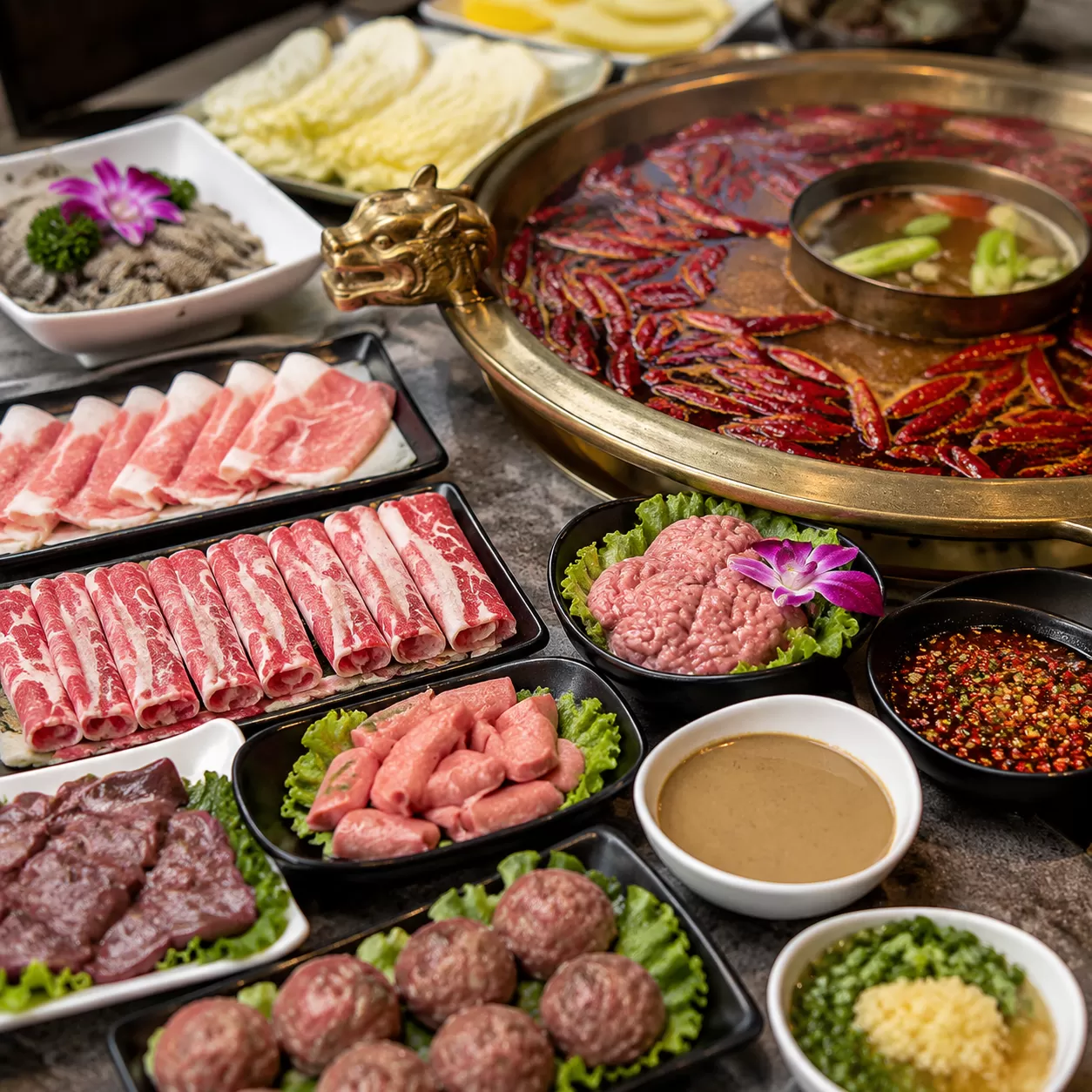
When it comes to authentic Sichuan hot pot in Chengdu, the ingredients you choose are everything. Premium proteins like beef rolls, tripe, blood curd, and lamb are staples that add richness and texture to your meal. Seafood options such as shrimp and fish balls are also popular, especially during the summer months when a lighter touch is preferred. Vegetables like bok choy, spinach, and tofu help balance the spice and add freshness, making each bite more satisfying.
Chengdu markets are known for seasonal and regional specialties that you won’t find anywhere else. These unique ingredients can elevate your hot pot experience, giving you a taste of local flavors that are deeply rooted in Sichuan cuisine. If you’re curious about exploring these regional delights, check out our Chengdu food guide for tips on where to find the best ingredients.
Dipping sauces are another crucial part of the hot pot experience. Mastering the perfect combination of chili oil, sesame paste, vinegar, and ginger can transform a simple ingredient into a flavor explosion. Feel free to experiment with different ratios to suit your spice tolerance and taste preferences—this is part of the fun of eating Chengdu hot pot.
Before heading to the restaurant, it’s smart to do some shopping. Look for high-quality beef tallow, fresh Sichuan peppercorns, and a variety of dipping sauces. These small but essential items will help you recreate that authentic Sichuan hot pot flavor at home or enhance your dining experience in Chengdu. For a smoother trip, consider visiting local markets where you can find these ingredients fresh and affordable.
How to Order and Eat Chengdu Hot Pot Like a Local
Eating Chengdu hot pot like a pro isn’t just about choosing ingredients; it’s about understanding the flow and etiquette that make the experience authentic and enjoyable. Here’s a simple guide to help you navigate the process smoothly.
Step-by-step Table Etiquette
- Communicate with the staff: When ordering, use simple phrases or point to items if language is a barrier. Many restaurants are accustomed to tourists and can read your cues.
- Adding ingredients: Drop raw meats, vegetables, and tofu into the boiling broth in small batches. Wait until the ingredients turn cooked and tender before retrieving them.
- Knowing when to stop: When the broth starts to thin out or ingredients become scarce, it’s a good time to order more or switch to a different broth base if available.
Handling the Hotpot Properly
- Controlling the flame: Keep the flame at a steady, gentle boil—too high can burn ingredients or cause splashes, too low can slow cooking. Many spots have a small stove with adjustable knobs.
- Rotating ingredients: Don’t pile everything into the hotpot at once. Instead, add ingredients gradually, allowing each to cook evenly and stay fresh.
- Avoid common mistakes: Don’t overcrowd the pot, which can lower the temperature and make cooking uneven. Also, avoid leaving cooked ingredients in the broth for too long, as they can become overcooked and lose flavor.
Navigating English Menus and Customizations
- Ask for mild options: If you’re sensitive to spice, request a less spicy broth or ask for “mild” versions. Many places will happily accommodate.
- Family splits: If dining with a group, consider splitting the hot pot into two or more sections—one spicy Sichuan hot pot and one milder broth—so everyone can enjoy their preferred flavor.
- Special requests: Don’t hesitate to ask for extra sauces, more Sichuan peppercorns, or specific ingredients. Staff are usually friendly and eager to help.
Timing and Pacing
- Pause for photos and chats: Hot pot is as much about socializing as eating. Take moments to snap photos of the bubbling broth or share a toast.
- Refill broth: When the broth level drops significantly, ask for a refill or switch to a new pot if available. This keeps the experience fresh and flavorful.
- Enjoy at a comfortable pace: There’s no rush. Savor the process, from selecting ingredients to dipping and chatting with friends or family.
Mastering how to order and eat Chengdu hot pot like a local makes the experience more authentic and fun. Whether you’re tackling a spicy mala hot pot or a milder Sichuan-style broth, these tips will help you enjoy every bite while respecting local dining customs.
Top 10 Best Chengdu Hot Pot Restaurants (2026 Edition)
If you’re looking for the best hot pot in Chengdu, this list has you covered. It features a mix of hidden gems and well-known chains, all ranked by local popularity, ambiance, and value. Whether you want a traditional Sichuan hot pot experience or something more modern, these spots deliver authentic Chengdu hot pot that won’t disappoint.
Each restaurant is reviewed in detail, highlighting their signature dishes, broth quality, and service style. For example, some places excel with their spicy mala hot pot, while others focus on milder, flavorful broths. I’ll also tell you who each spot is perfect for—whether it’s a casual night out or a special celebration.
Practical info is included too: locations, average prices per person, the best times to visit, and reservation tips to avoid long waits. Plus, I’ve added some secret spots in the Jinli District and upscale rooftop hot pot experiences for those wanting a unique dining adventure.
For more tips on Chengdu’s food scene, check out this Chengdu food guide. It’s a great resource for discovering other local specialties and dining hotspots.
Chapter 6: Budget, Time, and Practical Tips for Your Chengdu Hot Pot Adventure
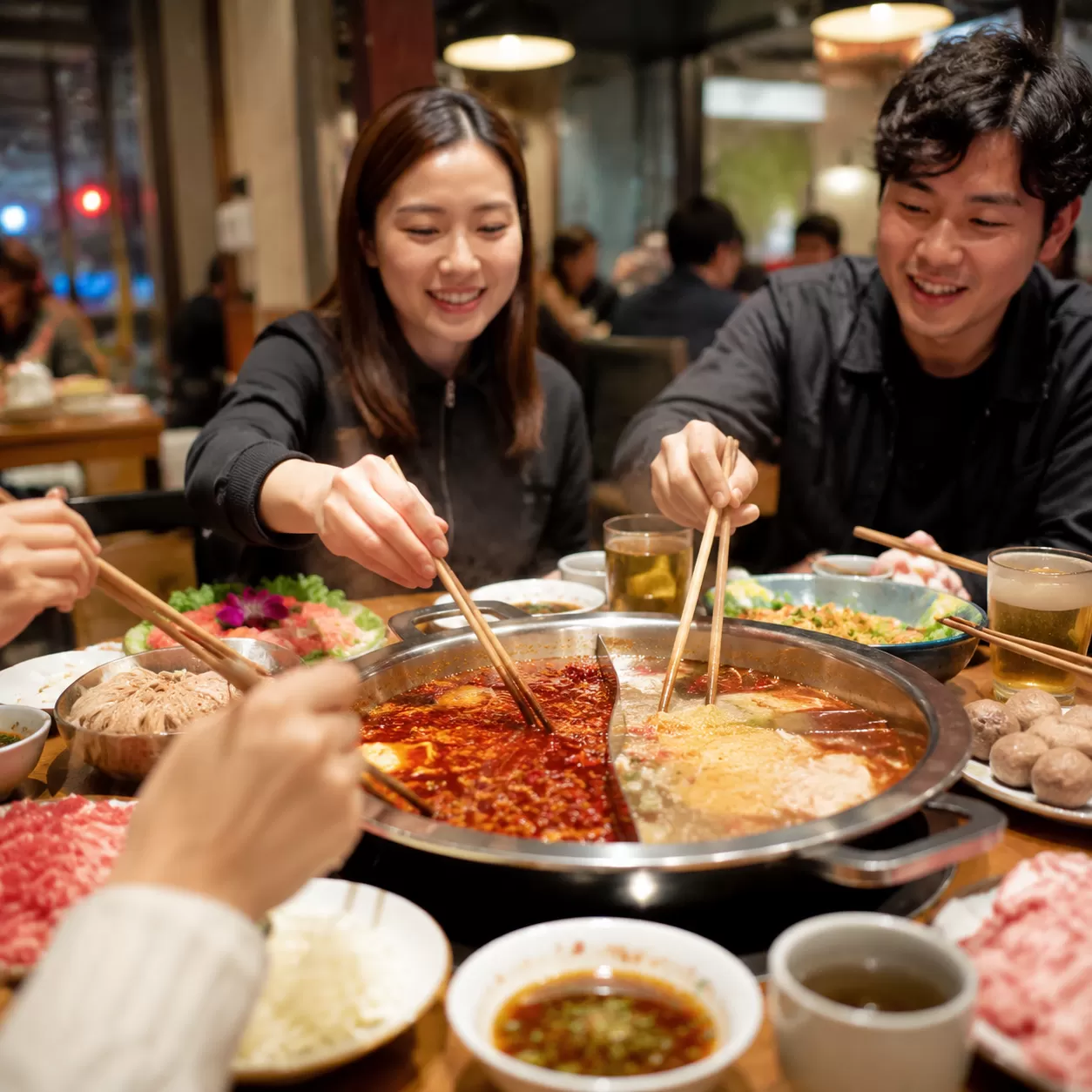
Eating Chengdu hot pot can fit any budget, whether you’re grabbing a quick bite at street stalls or splurging at upscale restaurants. Street vendors often offer delicious, authentic Sichuan hot pot at very affordable prices—usually around $10-$15 per person—perfect for a casual, local experience. On the other hand, some of the best hot pot restaurants in Chengdu, especially those serving traditional Sichuan hot pot, can cost $20-$40 per person, especially if you opt for premium ingredients or all-you-can-eat options. Upscale spots with rooftop views or unique ambiance can go higher, but they’re worth it for a special night out.
Timing is key to making the most of your hot pot experience. Lunch deals are often more affordable and less crowded, making it a great way to enjoy authentic Sichuan cuisine without the rush. Dinner, especially in the evening, can get very busy, with locals and tourists alike gathering for late-night feasts. To avoid the crowds, try visiting during off-peak hours—typically early afternoon or late evening. If you’re looking for a more relaxed experience, weekdays tend to be quieter than weekends when hot pot spots are packed.
For those with vegetarian or family-friendly needs, Chengdu hot pot offers plenty of options. Many restaurants now provide tofu, mushrooms, and seasonal vegetables that are just as flavorful as traditional meats. Some places even have special vegetarian broth bases, so you can enjoy the spicy mala hot pot without meat. It’s also easy to customize your ingredients, making hot pot a flexible choice for families with kids or dietary restrictions.
Safety and etiquette are important, especially if you’re new to Sichuan hot pot. Be mindful of spice tolerance levels—if you’re sensitive to heat, ask for a milder broth or share a split pot. Hygiene is generally good in reputable restaurants, but always check that ingredients look fresh and that the restaurant maintains clean standards. When dining, wear casual clothes that can handle some splashes, and remember to handle the hotpot with care—control the flame, rotate ingredients properly, and avoid overcrowding the pot to prevent accidents. If you’re unsure how to eat Chengdu hot pot, don’t hesitate to ask staff for tips—they’re usually happy to guide newcomers through the process.
For more tips on exploring Sichuan cuisine, including other local food experiences, check out our Chengdu food guide.
Pairing Chengdu Hot Pot with the Rest of Your Chengdu Trip
Chengdu hot pot is more than just a meal — it’s a cultural experience that fits perfectly into your travel day. If you’re planning to visit panda viewing centers, Jinli night markets, or Wuhou Temple, timing your hot pot meal right can make your trip even more memorable. For example, after a morning with pandas, an evening hot pot session in a nearby restaurant lets you unwind and enjoy authentic Sichuan cuisine hot pot style.
To really elevate your experience, consider pairing your hot pot with some local dishes and drinks. A cold beer or a glass of Sichuan rice wine complements the spicy mala hot pot Chengdu is famous for. You might also want to try some side dishes like mapo tofu or spicy Sichuan noodles to add variety to your meal.
If you’re planning a full hot pot day or a lively evening out, I suggest mapping out your itinerary to include visits to nearby attractions. For example, spend the afternoon exploring the historic Wuhou Temple, then head to a popular hot pot restaurant nearby for dinner. Alternatively, combine a visit to Jinli night market with a late-night hot pot session — it’s the perfect way to end the day.
Keep in mind that weekends tend to be busier at hot pot spots, so reservations are recommended if you want to avoid long waits. Weather also plays a role: on chilly days, a steaming hot pot can be especially comforting, while in warmer weather, you might prefer a milder broth or an air-conditioned spot. Planning ahead ensures you get the best experience, whether you’re visiting during a busy weekend or a quiet weekday. For more tips on making the most of your trip, check out our Chengdu travel guide.
Chapter 8: DIY Chengdu Hot Pot at Home – Replicating the Magic
Want to bring the authentic Sichuan hot pot experience into your own kitchen? It’s easier than you think to make a delicious, spicy mala hot pot Chengdu-style at home. The key is sourcing authentic ingredients and creating a flavorful broth base that captures the essence of traditional Chengdu hot pot.
Sourcing Authentic Ingredients and Making a Simple Broth Base
Start by shopping at Asian markets or specialty stores for ingredients like Sichuan peppercorns, beef tallow, and dried chili peppers. These are essential for that signature numbing and spicy flavor. For the broth, a simple recipe involves boiling water with dried chili, Sichuan peppercorns, ginger, garlic, and some beef or chicken bones for richness. You can also add dried mushrooms or preserved vegetables for extra depth.
Basic Recipes with Variations
- Spicy Mala Hot Pot: Use Sichuan peppercorns and dried chili flakes for that fiery, numbing kick. Add chili oil for extra heat.
- Clear Broth: Simmer bones and aromatics for a light, refreshing base that lets the ingredients shine.
- Kid-Friendly Mild: Skip the chili and Sichuan peppercorns, using a mild chicken or vegetable broth with a touch of soy for flavor.
Equipment Needs and Troubleshooting Common Home-Cooking Issues
A good hot pot setup requires a portable burner and a large, shallow pot. If your broth isn’t flavorful enough, try adding more spices or simmering longer. If the broth gets too spicy, dilute it with some water or add a splash of vinegar to balance the heat. Using fresh ingredients and maintaining proper heat will help you avoid common issues like uneven cooking or dull flavors.
Scaling Up for Family or Party Nights
Making hot pot for a crowd? Prepare a big pot of broth ahead of time and set out a variety of fresh ingredients—meat, seafood, vegetables, and tofu. Keep the broth simmering on a portable stove or induction cooker, and let everyone customize their bowls. It’s a fun, interactive way to enjoy Sichuan cuisine hot pot in your own home, just like in Chengdu.
If you’re interested in exploring more about Sichuan cuisine hot pot or how to make it even more authentic, check out Chengdu food guide. With a little planning, you can recreate that vibrant, spicy flavor right in your kitchen!