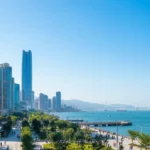
If you’ve ever wondered what makes Qingdao Port one of the world’s busiest and most fascinating maritime gateways, you’re in the right place. This isn’t just any shipping hub—it’s a vibrant crossroads where history, industry, and coastal charm collide. From its German colonial roots to cutting-edge eco-innovations, Qingdao Port offers more than massive container ships and logistics—it’s your ticket to exploring Shandong’s maritime magic. Ready to dive into a place where global trade meets stunning seaside experiences? Let’s get started.
A Brief History: From German Outpost to Global Trade Titan
Qingdao’s story kicks off in 1892, when it was leased by Germany as a naval base. Just seven years later, in 1899, it transformed into a free port, opening doors to commerce and international trade. The arrival of the Jinan railway in 1904 was a game changer—linking Qingdao more firmly to China’s vast interior and boosting economic activity. But history wasn’t all smooth sailing. After World War I, the port fell under Japanese occupation, marking a turbulent chapter in its early years.
Fast forward to post-1949, Qingdao saw a dramatic shift. Nationalized under the new Chinese government, it expanded rapidly into a key Pacific hub. Partnerships like the 2011 Shandong-Republic of Korea alliance helped anchor its regional influence. More recently, the port embraced cutting-edge tech with 2022’s hydrogen-powered upgrades, pushing sustainability forward.
Today, Qingdao’s legacy shines brightly. The city proudly hosted the 2008 Olympics sailing events, showing off its seaside charm to the world. It also boasts Asia’s first fully automated container terminal at the Qianwan Port Area, operational since 2017—proof of its status as a leader in port innovation.
For visitors, the past isn’t just history—it’s part of the vibe. A stroll along the colonial-era wharfs reveals Qingdao’s unique “Bavarian by the Sea” character, blending German architecture with maritime energy. It’s a living reminder of how this port city grew from a foreign outpost into a global trade titan.
Anatomy of Qingdao Port: Key Areas and What Makes It Tick
Qingdao Port is a sprawling complex made up of several specialized zones, each handling different types of cargo and activities:
- Dagang Port Area: Handles general cargo and passenger ferries, serving as a gateway for travelers and mixed shipments.
- Qianwan Port Area: Asia’s first fully automated container terminal, focusing on high-tech container handling with 5G-enabled automation for peak efficiency.
- Huangdong Oil Port: Dedicated to tankers and energy trade, this area supports China’s growing fuel imports and petroleum exports.
- Dongjiakou Port Area: Deals mostly with bulk goods like iron ore, featuring the world’s largest 400,000-ton ore terminal.
- Weihai Integration: Extends Qingdao’s regional connectivity by linking maritime routes across Shandong Province.
Beyond just size, Qingdao Port is driving innovation and sustainability with hydrogen fuel cells to reduce emissions and a unique suspended monorail system launched in 2025 that transports containers. This system even offers exclusive port tours providing a rare behind-the-scenes glimpse of port operations.
For a deeper dive into the port’s advanced technology and surrounding attractions, check out the detailed overview on the Qingdao travel guide.
Getting There and Around: Seamless Access for Cruisers and Shore Explorers
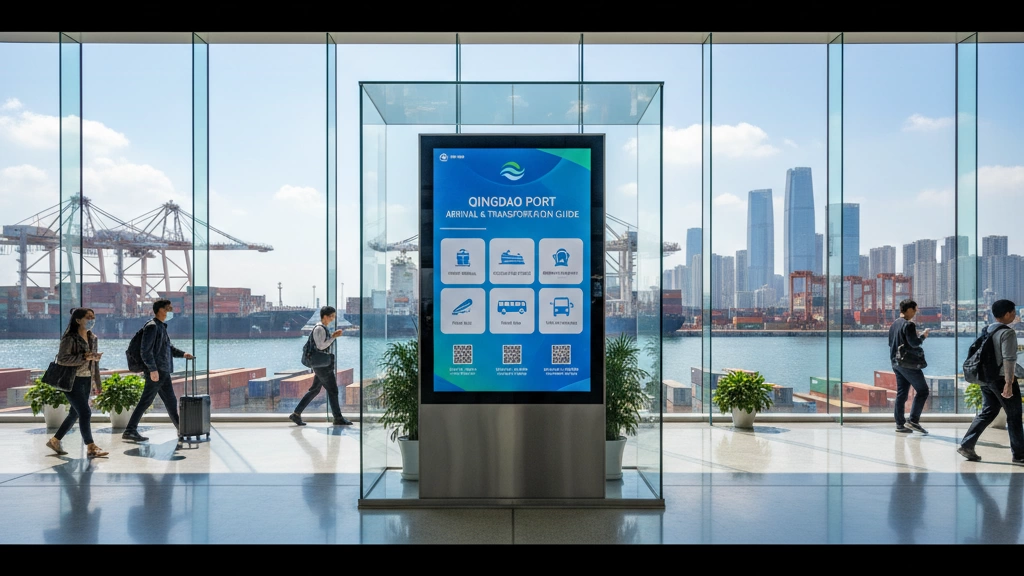
Qingdao Port is easy to reach whether you’re arriving by air, rail, road, or sea. Most international travelers fly into Qingdao Jiaodong International Airport, where convenient shuttle services link directly to the port area. If you prefer trains or buses, high-speed rail lines connect Qingdao to major cities across China, making land travel smooth and fast. Arriving by sea is also straightforward, with international ferries and an active Qingdao cruise terminal welcoming visitors.
Once you’re at the port, getting around is simple. The city’s efficient Metro Lines 2 and 3 serve key stops near the port, while popular ride-hailing apps like Didi provide easy point-to-point rides. For a scenic option, ferries regularly hop between Qingdao and nearby Huangdao District, offering a refreshing way to explore.
Pro tips for visiting Qingdao Port:
- Book transport and tours early during peak summer months to avoid last-minute hassles.
- Take advantage of Qingdao’s visa-free 144-hour transit policy available to citizens of 53 countries—great for short stays when you arrive by cruise or flight.
Considering all this, navigating Qingdao from port to city is hassle-free, making it an excellent gateway to Shandong coastal attractions for U.S. travelers. For up-to-date weather during your visit, check the Qingdao weather guide to plan accordingly.
Beyond the Docks: Top Attractions and Experiences Near Qingdao Port
Qingdao Port is more than just a shipping hub—it’s a gateway to some of the city’s best sights and experiences. Start your visit at Zhanqiao Pier, perfect for catching sunrise views while seabirds circle overhead. Nearby, Little Qingdao Island offers peaceful strolls and scenic coastal views just a short ferry ride away. For a unique experience, check out the Qingdao Naval Museum where you can tour actual submarines and learn about maritime history.
Dive into Qingdao’s cultural vibe by exploring the charming Badaguan area, famous for its European-style villas that reflect the city’s colonial past, and don’t miss the striking sculptures at May Fourth Square, an iconic civic spot. If you want to see more of Shandong’s coastline, take a day trip via ferry to Xuejia Island or enjoy relaxing evening cruises around Jiaozhou Bay.
Accessibility is a plus here—paths around the waterfront are wheelchair-friendly, and family travelers will find plenty of seafood stalls offering fresh local bites. For a deeper dive into local spots and must-see attractions, check out this detailed guide to Qingdao’s top sights, perfect for planning your shore time.
Indulge in Portside Flavors: Food, Beer, and Local Bites
Qingdao port is a food lover’s paradise, especially if you’re into fresh seafood from the Yellow Sea. Don’t miss grilled squid and the city’s famous Qingdao-style dumplings — simple, tasty, and rooted in local tradition. For beer fans, the Tsingtao Brewery tour is a must. You can sample some of China’s best-known brews right where they’re made, learning about the brewing process with every sip.
Looking for something off the beaten path? Explore Chengyang for authentic Korean BBQ, or dive into Qingdao’s lively night markets where street vendors serve up skewers bursting with flavor.
If you prefer vegetarian options, several pier cafes offer fresh, plant-based choices. Just a heads-up: during summer, some coastal areas may experience algae blooms, which could affect seafood availability. Planning ahead means you won’t miss out on the best local bites.
For more on Qingdao’s culinary scene, including must-try dishes and dining spots, check out the detailed Qingdao food guide for insider tips.
Practical Traveler Tips: Making the Most of Your Port Visit
Plan your visit to Qingdao Port between May and October for the best weather, avoiding chilly winters and rainy off-seasons. To skip the crowds, try to visit on weekdays—especially outside of major Chinese holidays.
Budget-wise, entry to most port areas and nearby attractions is free. Expect to spend around $10-$20 for guided tours and $15-$30 on meals at local cafes or seafood stalls.
Safety is generally good with low crime rates, but keep an eye on your belongings to avoid pickpockets in busy tourist spots. Do your part by supporting Qingdao’s green initiatives, like using public transport or renting bikes to reduce your environmental footprint.
Make your trip unique with these tips:
- Use solo audio guides for a personalized and flexible sightseeing experience.
- Take kid-friendly ferry rides around Jiaozhou Bay for family fun.
- Pack a blanket for romantic picnics along the scenic waterfronts.
For seamless navigation and insider tips, download the Qingdao Travel Guide app to have offline maps and updated information right on your phone.