Getting to Suzhou
If you’re wondering how hard it is to reach Suzhou, the short answer is: very easy. I usually tell first-time visitors that Suzhou is one of the simplest cities in China to add to a trip, especially if you are already in Shanghai. The Shanghai to Suzhou train is fast, frequent, and usually the best option by far.
Here’s how I would get there, and how I would move around once I arrive.
High-Speed Trains from Shanghai
For most travelers, the train is the winner.
- From Shanghai to Suzhou: about 25 to 40 minutes on the fastest high-speed trains
- From nearby cities: Hangzhou, Nanjing, and Wuxi also connect easily by rail
- Why I like it: it is faster than driving, cheaper than many private transfers, and very easy to book
You will usually depart from one of Shanghai’s major railway stations, then arrive at a Suzhou station that connects well to the rest of the city.
Shanghai to Suzhou Train Tickets
When you search for a Shanghai to Suzhou train, you’ll usually see a few ticket and seat options:
- Second class: best value for most travelers
- First class: a bit more space and quieter seating
- Business class: the most comfortable, but usually not necessary for this short ride
A few booking tips I always recommend:
- Book early for weekends and holidays
- Choose a direct high-speed train when possible
- Check your departure station carefully, since Shanghai has several major rail hubs
- Keep your passport handy, because foreign travelers often need it for booking and pickup
If you are planning a Suzhou day trip from Shanghai, this train is the easiest way to do it.
Airport and Long-Distance Bus Options
Suzhou does not have a major international airport of its own, so most visitors fly into Shanghai, Wuxi, or nearby airports first.
Common airport routes:
- Shanghai Pudong International Airport
- Shanghai Hongqiao International Airport
- Wuxi Shuofang Airport
From the airport, you can continue by train, airport shuttle, or private car. For most travelers, I still suggest the train after landing in Shanghai.
Long-distance buses are available too, but I only recommend them if the train schedule does not work for you.
- Pros: sometimes cheaper
- Cons: slower, less comfortable, and harder to navigate with luggage
Getting from Suzhou Stations to the Center
Suzhou has several railway stations, and the one you arrive at matters.
Main stations to know:
- Suzhou Railway Station: convenient for the old town and many classic sights
- Suzhou North Railway Station: useful for some metro connections
- Suzhou Industrial Park Station: better for the east side of the city
Once you arrive, you can get into town by:
- Metro
- Taxi
- Didi
- Bus
- Hotel pickup, if you arranged it
If you are staying near the old town, the Suzhou Railway Station is often the easiest arrival point.
Suzhou Metro for Major Sights
Suzhou’s metro is clean, efficient, and easy enough to use once you look at the Suzhou metro map before you go.
I like the metro for:
- Getting between major neighborhoods
- Reaching museums and shopping areas
- Avoiding traffic during rush hour
- Traveling cheaply when you are carrying only a small bag
The metro is especially handy if you are visiting:
- Suzhou Museum by I.M. Pei
- Pingjiang Road canal walk
- Major shopping districts
- Some garden areas and transport hubs
A simple rule: if you’re only carrying a day bag, the metro is great. If you have luggage, stairs, or multiple transfers, a taxi or Didi may be easier.
Didi, Taxis, and Ride-Hailing Etiquette
For door-to-door convenience, Didi in Suzhou is usually my backup plan.
Use Didi when:
- You have luggage
- You are heading to a water town
- You are traveling late at night
- You want to save time between scattered sights
Taxi etiquette tips:
- Have your destination written in Chinese if possible
- Show the hotel name, not just the street address
- Use the meter unless the driver and app clearly show the fare
- Keep small bills or digital payment ready
A few practical notes:
- Many drivers prefer app-based rides
- It helps to pin your pickup point carefully
- If you are using WeChat Pay in China or Alipay, make sure your payment works before you leave your hotel
Bike Sharing and Walking Routes
Suzhou is one of those cities where slowing down actually makes sense. If you are near the old town, a lot of the charm is in the in-between moments.
I love using:
- Bike sharing for short hops
- Walking for old streets and canal areas
- Slow strolls along shaded lanes and water edges
Best places for that pace:
- Pingjiang Road
- Canal-side lanes near the old town
- Quiet backstreets around garden districts
A bike is great for short distances, but I would not rely on it for a full day of garden-hopping unless you are comfortable navigating traffic.
Canal-Side Walks
If you only do one relaxed walk in Suzhou, make it a canal walk.
Try this kind of route:
- Start near Pingjiang Road
- Wander along side canals and small bridges
- Stop for tea, snacks, or a short rest
- Continue toward a quieter local lane or garden area
This is the best way to get that classic Venice of the East Suzhou feeling without rushing from one landmark to another.
Money-Saving and Time-Saving Hacks
If it’s your first time in Suzhou, these are the tricks I’d use myself:
- Take the train from Shanghai instead of a car whenever possible
- Stay near the old town if your trip is focused on gardens and canals
- Use the metro for big jumps, then walk the last stretch
- Book entry tickets in advance for popular gardens and museums
- Group sights by neighborhood so you avoid crisscrossing the city
- Use Didi after dinner or with luggage
- Travel early in the day to beat crowds and heat
- Keep both cash and mobile payment ready in case one method fails
If you are planning a Suzhou travel guide style first trip, the smartest approach is usually simple: train in, metro or taxi for longer hops, then walk as much as you can once you reach the old town.
That mix saves time, keeps costs down, and lets you enjoy Suzhou the way it feels best: calm, scenic, and easy to explore.
Best Time to Visit Suzhou: Weather, Seasons, and Events
Deciding when to visit Suzhou depends largely on what you want to experience. The city’s weather varies quite a bit across the seasons, so planning ahead helps you make the most of your trip. For those interested in exploring the classical Chinese gardens Suzhou and water towns, spring and autumn are generally the best times.
Suzhou Weather by Season
- Spring (March to May): Mild temperatures, blooming flowers, cherry blossoms, and fewer tourists. It’s perfect for garden visits and canal strolls.
- Summer (June to August): Hot and humid, with frequent rain. If you visit in summer, pack light clothes and stay hydrated.
- Autumn (September to November): Cool, crisp air with clear skies and stunning golden foliage. Autumn is ideal for outdoor sightseeing and festivals.
- Winter (December to February): Cooler and quieter, with fewer crowds. Gardens are less crowded, and you can find good deals on accommodations.
Best Time to Visit Suzhou for Gardens and Water Towns
Spring and autumn are the top seasons for visiting Suzhou’s famous gardens and water towns. Spring offers lush blooms and mild weather, making it perfect for walking around the Humble Administrator’s Garden or Lingering Garden. Autumn’s colorful foliage and clear skies also make water town visits more scenic.
Seasonal Highlights
- Spring: Cherry blossoms and flowers bloom, with mild crowds. Great for photography and garden tours.
- Autumn: Golden leaves, festivals, and comfortable weather. A favorite for locals and travelers alike.
- Summer: If you don’t mind the heat, early mornings or late afternoons are best. Consider indoor attractions during peak heat.
- Winter: Gardens are quieter, and some water towns are beautifully serene. Plus, off-season deals can save you money.
What to Wear in Suzhou by Season
- Spring: Light layers, a jacket, and comfortable walking shoes.
- Summer: Lightweight, breathable clothes, hat, sunglasses, and sunscreen.
- Autumn: Layers, a light sweater or jacket, and sturdy shoes.
- Winter: Warm coat, scarf, and waterproof shoes if rain is expected.
Packing Tips for Suzhou Gardens and Canal Walks
Bring essentials like a camera, portable charger, water bottle, and comfortable shoes. If visiting in colder months, pack a thermal layer or sweater. For spring and summer, don’t forget sun protection and a hat. Planning ahead ensures you stay comfortable while exploring the Suzhou water towns and gardens.
Major Festivals and Events
Suzhou hosts several cultural festivals, especially during spring and autumn, including lantern festivals, tea ceremonies, and traditional opera performances like Kunqu Opera. Check local calendars before your trip to align your visit with these vibrant events.
Planning Around Chinese Public Holidays and Peak Times
Avoid Chinese national holidays like the Spring Festival (Chinese New Year) and Golden Week if you want to dodge the crowds. Visiting during shoulder seasons can give you a more relaxed experience while still enjoying the city’s beauty.
For more insights on the best time to visit other Chinese destinations, you might find this Shanghai travel guide helpful.
Top Classical Chinese Gardens in Suzhou
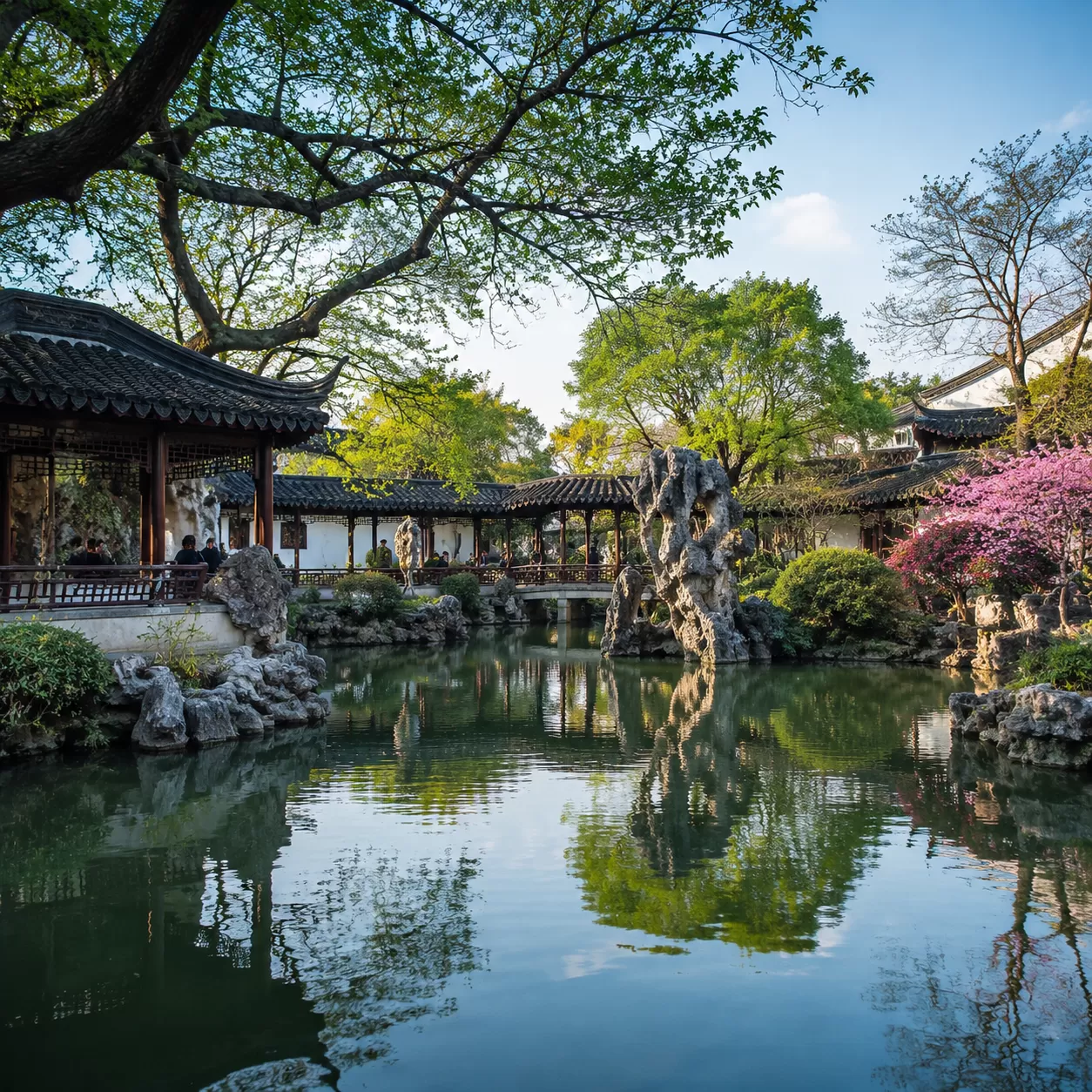
Suzhou is where I’d go if I wanted to see classical Chinese gardens Suzhou at their best. These spaces are small, but they pack in rockeries, ponds, pavilions, zigzag bridges, and quiet courtyards that feel completely different from modern city life. If you are building a Suzhou travel guide, this is the part I would not skip.
Why Suzhou Gardens Matter
The main garden sites are part of the Classical Gardens of Suzhou, a UNESCO World Heritage listing. They stand out because they mix design, nature, and symbolism in a very tight space.
What makes them special:
- Balanced layout with water, stones, plants, and architecture
- Strong views from every turn, not just one main photo spot
- History tied to scholars, officials, and private family estates
- A calm feel that fits a slow Suzhou gardens itinerary
Humble Administrator’s Garden
Humble Administrator’s Garden (Zhuozheng Yuan) is the big one. It is the most famous garden in the city, and for many first-time visitors, it is the best place to start.
Best way to see it:
- Enter early if you can, before tour groups build up
- Follow the main water loop first
- Stop at the pavilions for long views across the ponds
- Save time for the eastern and central sections, where the best scenes usually are
My take:
- Best for first-time visitors
- Best for classic scenery and wide open water views
- Needs about 1.5 to 2.5 hours
Lingering Garden
Lingering Garden (Liu Yuan) is more layered and balanced than Humble Administrator’s Garden. I like it for its slower pace and strong design.
What to look for:
- Long covered walkways
- Rockeries and framed garden views
- Small courtyards that feel more intimate
- A walking route that keeps revealing new angles
Best for:
- Travelers who want a calmer experience
- People who like architecture and garden design
- Visitors with at least 1.5 hours
Lion Grove Garden
Lion Grove Garden (Shizilin) is the one I would pick if you like rockeries and maze-like paths. It feels more playful and compact than the bigger gardens.
Why it stands out:
- Dense rock formations
- Narrow paths and hidden turns
- Good spots for creative photos
- A strong sense of movement in a small space
Best for:
- Families with older kids
- Photo travelers
- Anyone who wants a shorter garden stop
Garden of Cultivation and Smaller Gardens
The Garden of Cultivation is quieter and easier to enjoy if you want something less crowded. It is not as famous as the top three, but it gives you a better feel for a relaxed local visit.
Other smaller options can work well too:
- Better for slow travelers
- Easier if you do not want to spend the whole day in one site
- Good add-ons if you are doing a Suzhou old town walking tour
Couple’s Garden and Low-Crowd Picks
Couple’s Garden and similar smaller gardens are good when you want less noise and more space to move around. I usually recommend these if you have already seen one or two of the big names.
Good reasons to go:
- Fewer crowds
- Faster visit time
- Nice for a half-day plan
- Easier for casual sightseeing
Best Photo Tips
If you want good shots in Suzhou gardens, timing matters more than gear.
Simple tips:
- Go early for softer light and fewer people
- Shoot across water for depth
- Frame pavilions through doorways or windows
- Look for reflections after rain or in the morning
- Keep your shots wide so the layout makes sense
Which Gardens to Visit
If you only have a short stay, I’d keep it simple. Not every garden needs to be on your list.
| Time in Suzhou | Best Garden Plan | Why It Works |
|---|---|---|
| 1 day | Humble Administrator’s Garden + Lion Grove Garden | Covers the most famous and the most unique styles |
| 2 days | Add Lingering Garden | Gives you a better mix of scale and detail |
| 3 days | Add Garden of Cultivation or Couple’s Garden | Slower pace with fewer crowds |
Best Picks by Traveler Type
- First-time visitors: Humble Administrator’s Garden and Lingering Garden
- Families: Lion Grove Garden plus one smaller garden
- Couples: Couple’s Garden and Lingering Garden
- Photo travelers: Lion Grove Garden and Humble Administrator’s Garden
- Slow travelers: Garden of Cultivation and one less crowded garden
Quick Garden Itinerary
If I were planning a simple Suzhou gardens itinerary, I would do it like this:
- Half day: Humble Administrator’s Garden + nearby old town walk
- One full day: Humble Administrator’s Garden, Lion Grove Garden, and a canal stroll
- Two days: Add Lingering Garden and one quieter garden for a better pace
This keeps the day from feeling rushed and leaves room for food, photos, and a little time in the old town.
Suzhou Travel Guide: Canals and Water Towns

Venice of the East
I always think of Suzhou as the Venice of the East because the city is built around calm canals, stone bridges, and old lanes that still feel lived-in. If you want a trip that mixes history, food, and easy walks, this part of my Suzhou travel guide is one of the best places to start.
Old Canals and Waterways
Suzhou’s ancient waterways are not just for photos. They still shape how the old city moves and feels.
- Narrow canals run past homes, temples, and small shops
- Stone bridges connect quiet lanes and busy streets
- Morning is usually the calmest time for walking
- Late afternoon is best for soft light and fewer tour groups
If I had to plan a first visit, I would focus on the old town first, then add one or two Suzhou water towns outside the center.
Pingjiang Road
Pingjiang Road is one of the easiest canal walks in the city. It works well if you want a relaxed Suzhou old town walking tour without rushing.
What I like here:
- Canal-side paths with old houses and small cafes
- Easy stops for tea, snacks, and dessert
- A slower pace than the bigger tourist streets
- Good photo spots without needing a full day
This is a strong pick if you want a simple Pingjiang Road canal walk that feels local but still visitor-friendly.
Shantang Street
Shantang Street has a more lively feel, especially after dark. The Shantang Street night view is popular for a reason: lit-up bridges, boat traffic, and plenty of food stalls.
Best for:
- Evening strolls
- Street snacks and quick bites
- Boat scenes and colorful lights
- A more social, busy atmosphere
If you only visit one place at night, I’d pick Shantang Street over most other canal areas.
Boat Rides
Boat rides on the canals are simple, but they are worth doing once. They are not a big attraction by themselves, but they give you a better feel for the city.
What to expect:
- Short rides on small covered boats
- Slow pacing, not a sightseeing rush
- Cashless payment is common, so keep WeChat Pay in China or Alipay ready
- Prices can vary by route and time of day
For me, the boat ride works best as part of a full canal day, not as the only activity.
Suzhou Water Towns Guide
Tongli
Tongli is one of the most popular choices for a Suzhou water village day trip. It has a compact layout, so it is easy to explore without feeling lost.
Why go:
- Classic bridges, canals, and quiet lanes
- Easy walking route
- Good intro to a traditional water town
- Enough sights for a half-day or full-day visit
Tongli is a smart option if you want the water town feel without the bigger crowds of more famous places.
Zhouzhuang
Zhouzhuang is more famous and usually busier. It has beautiful canals and old bridges, but it can feel crowded in peak hours.
Best for:
- First-time visitors who want the classic postcard view
- Strong canal scenery
- A larger, more developed visitor area
If I were choosing between the two, I’d pick Tongli for a calmer trip and Zhouzhuang for the most recognizable water town experience.
Other Options
If you want something quieter, I’d also look at smaller canal-side villages near Suzhou. They may not have the same name recognition, but they can be better if you want fewer crowds and a slower pace.
Good alternatives:
- Smaller historic canal villages
- Low-key old lanes near the city
- Less polished but more relaxed stops
Best Day Trip Mix
Gardens + Water Towns
The best Suzhou gardens itinerary often pairs one classical garden with one water town. That gives you balance: formal landscape design in the morning and canal scenery later in the day.
Simple combinations:
- Humble Administrator’s Garden + Pingjiang Road
- Lingering Garden + Shantang Street
- Tongli + a light old-town evening walk
- Zhouzhuang + a quieter dinner back in Suzhou
If you only have one day, I would not try to do everything. Pick one garden and one canal area.
Best Time to Go
Best Time of Day
For the best experience, I usually recommend:
- Early morning: quieter canals, softer light, fewer crowds
- Late afternoon: better photos and easier temperatures
- Evening: best for Shantang Street and night views
Quick Timing Tips
- Go early to avoid tour buses
- Skip the hottest midday hours in summer
- Save the most scenic canal walk for sunset if you can
- Use one full day for the city and one half-day for a water town
If you want, I can write the next section in the same style for Iconic Sights Beyond the Gardens or SuZhou Food and Street Eats.
Suzhou Travel Guide: Iconic Sights Beyond the Gardens
Suzhou is known for its classical Chinese gardens, but I always tell first-time visitors not to stop there. The city has a lot more to offer, from Tiger Hill and the Suzhou Museum by I.M. Pei to silk culture, old temples, and live Kunqu opera. If you want a fuller Suzhou travel guide experience, these are the landmarks I’d put on the list.
Tiger Hill: Leaning Pagoda and Views
Tiger Hill (Huqiu) is one of the best-known landmarks in Suzhou. It mixes history, scenery, and easy walking in one stop.
What I’d see there:
- Leaning Pagoda: the city’s most famous visual landmark
- Sword-testing stone: a small but popular historic stop
- Hilltop paths: good for a slower walk and city views
- Water features and pavilions: nice for photos and short breaks
A few tips:
- Go early if you want fewer crowds.
- Wear comfortable shoes; the paths are simple, but you’ll walk more than you expect.
- If you only have one afternoon, Tiger Hill works well as a half-day stop.
Suzhou Museum by I.M. Pei
The Suzhou Museum is one of the cleanest, easiest museum visits in the city. The building itself is a big reason people go. I.M. Pei kept the design modern but still tied to Suzhou’s garden style.
Why I like it:
- The architecture feels calm and balanced
- The exhibits give a solid look at local history and art
- It pairs well with nearby garden or old-town time
Best way to visit:
- Book ahead if possible, since entry can be limited
- Plan about 1 to 2 hours
- Combine it with a nearby garden or a walk through the old town so the day feels efficient
Silk Culture Stops
Suzhou silk is a real part of the city, not just a souvenir item. If you want a practical cultural stop, the Suzhou Silk Museum is worth adding.
What to expect:
- Basic history of silk production in Suzhou
- Displays on spinning, weaving, and finished silk goods
- A better sense of what makes local silk different from tourist shop products
If you plan to buy silk, this is a good place to learn what to look for before shopping elsewhere. It helps a lot if you want to avoid overpaying.
Temples and Historic Sites
Suzhou also has temples and religious sites that add depth to the trip. These places are quieter than the big garden stops, and I find them useful when I want a slower day.
Good things to keep in mind:
- Dress modestly
- Keep your voice down
- Check opening hours before you go, since some sites close earlier than expected
If you like architecture, incense-filled courtyards, and old city history, these stops fit nicely into a Suzhou old town walking tour.
Kunqu Opera and Live Culture
If you want something that feels more local, try a Kunqu opera performance. It’s one of Suzhou’s signature cultural experiences, and it gives you a different side of the city beyond sightseeing.
Quick tips:
- Choose a short performance if you’re new to it
- Read a little about the story before you go
- Sit near the front if you want a better view of costume details and facial expression
Even if you do not speak Chinese, the performance style, music, and staging can still be easy to enjoy.
Modern Suzhou
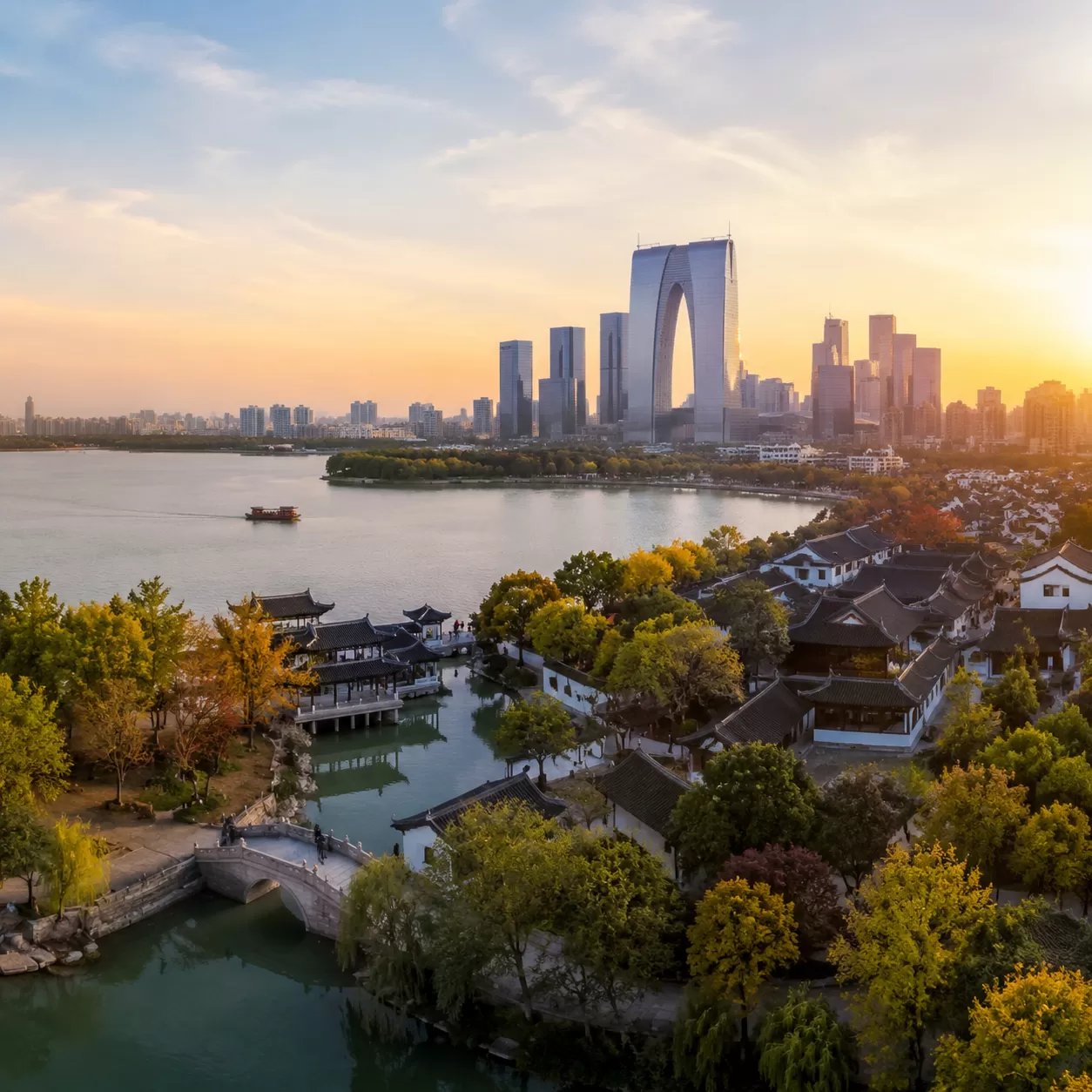
Suzhou is not only historic. The city also has a strong modern side, especially around the industrial park area and major shopping districts. If you want skyline views, polished malls, and a more contemporary feel, this side of the city is worth a look.
Best for:
- Travelers who want a break from older sights
- Easy dining and shopping
- Evening skyline photos
- A cleaner, more urban contrast to the canal areas
Best Route for These Sights
If I were linking these landmarks into one trip, I’d keep it simple.
One-day route idea:
- Morning at Suzhou Museum
- Late morning or early afternoon in a nearby garden
- Afternoon at Tiger Hill
- Evening in the old town or a modern shopping area for dinner
Slower culture-focused route:
- Suzhou Museum
- Silk museum or silk shopping stop
- Temple visit
- Kunqu opera in the evening
My Short Take
If you want the best mix of history, culture, and easy logistics, these are the standout non-garden sights I’d focus on:
- Tiger Hill for classic Suzhou scenery
- Suzhou Museum by I.M. Pei for design and history
- Suzhou Silk Museum for local culture and shopping context
- Temples and Kunqu opera for a deeper cultural feel
- Modern Suzhou for skyline views and a more current city vibe
This part of the Suzhou travel guide helps balance the trip so it does not feel like just a garden tour.
Suzhou Travel Guide: Food and Street Eats
Suzhou cuisine is known for light flavors, a little sweetness, fresh river ingredients, and careful presentation. In my experience, it feels different from heavier regional food in China. If I want a relaxed Suzhou travel guide food stop, I focus on noodles, river fish, crab in season, and a few classic pastries.
What Suzhou Cuisine Is Known For
Suzhou food is built around:
- Sweet-savory flavor – common in braised dishes and sauces
- Freshwater ingredients – fish, shrimp, and crab
- Seasonal eating – especially hairy crab in fall
- Snack culture – noodles, buns, cakes, and tea snacks
If you like trying local food in a city without feeling overwhelmed, Suzhou is easy to enjoy.
Must-Try Suzhou Dishes
| Dish | What It Is | Why Try It |
|---|---|---|
| Squirrel-shaped mandarin fish | Crispy fish with sweet-and-sour sauce | A famous Suzhou signature |
| Suzhou noodles | Thin wheat noodles with clear broth or soy-based toppings | Simple, fast, and local |
| Hairy crab | Seasonal river crab with rich roe | One of the biggest Suzhou food highlights |
| Suzhou-style mooncakes | Often savory or flaky, not just sweet | Great local snack or souvenir |
| Bings and pastries | Small baked snacks sold in old streets | Easy breakfast or tea-time bite |
Famous Suzhou Noodles
Suzhou noodle shops are a big part of daily life here. I usually look for places that are busy with locals, especially in the morning.
Popular styles include:
- Red-braised noodle soup with pork or beef
- Clear broth noodles for a lighter meal
- Shrimp and river-fresh toppings
- Seasonal noodle bowls with crab roe or vegetables
Best way to eat them:
- Go early, before lunch rush
- Try a small bowl first if you want room for other snacks
- Ask for less sugar if you prefer a more balanced taste
Squirrel-Shaped Mandarin Fish
This dish is one of the most famous items in any Suzhou travel guide. The fish is cut and fried so it opens up like a squirrel’s tail, then topped with a glossy sweet-and-sour sauce.
What to expect:
- Crispy outside, tender inside
- Sweet sauce that can be rich for some travelers
- Best shared at lunch or dinner
If you want to try it, I’d pick a well-rated restaurant in the old town or near a major hotel area rather than a random tourist spot.
Hairy Crab Season
Suzhou hairy crab season usually runs in the cooler months, especially autumn. This is one of the best times to visit if you care about food.
A few tips:
- Eat crab when it’s in season for the best flavor
- Choose a restaurant that shows fresh crab clearly
- Order other dishes too, since crab can be rich and filling
If I were planning a Suzhou day trip from Shanghai, I’d time it for crab season only if I had a full meal planned, not a rushed stop.
Suzhou Mooncakes and Pastries
Suzhou-style mooncakes are often different from the ones many Americans expect. They can be:
- Flaky
- Savory
- Filled with pork, bean paste, or mixed nuts
- Sold fresh in bakeries and old streets
These also make easy gifts, but I’d buy them from shops with steady turnover so they stay fresh.
Best Street Food Streets and Night Markets
For a casual Suzhou street food guide approach, I’d head to places with a mix of snacks and a walkable feel.
Good areas to check out:
- Pingjiang Road for snacks, tea, and canal-side bites
- Shantang Street for evening views and food stalls
- Old town side streets for local breakfast and late-night shops
What I usually look for:
- Freshly made dumplings
- Fried buns
- Skewers and small snacks
- Sweet soups and desserts
If you want a lively evening, Shantang Street night view is a strong choice because you can eat, walk, and take in the lights at the same time.
Tea Houses and Suzhou Tea Culture
Suzhou has a calm tea culture that fits the city’s garden style. I like stopping at a tea house after walking through the old streets or a classical garden.
Common tea experiences:
- Local green tea
- Small tea snacks
- Quiet rooms for resting
- Canal-side tea houses with good people-watching
If you want a slower pace, this is one of the best ways to reset between sightseeing stops.
Breakfast, Snacks, and Late-Night Eats
A good Suzhou travel guide should include breakfast, because that’s where a lot of the local flavor shows up.
For breakfast, I’d look for:
- Noodle shops
- Sesame cakes
- Soy milk and fried dough sticks
- Steamed buns and rice snacks
For late-night eating:
- Small noodle shops near busy neighborhoods
- Snack streets around old town areas
- Hotel-area restaurants that stay open later
I usually eat lightly during the day if I know I want to try several snacks at night.
Food Safety and Ordering Tips
Food in Suzhou is generally easy to enjoy, but I still keep a few basics in mind.
My simple rules:
- Pick places with a steady local crowd
- Avoid food that sits out too long in hot weather
- Drink bottled water if you have a sensitive stomach
- Start with cooked dishes if you are not used to street food
If you do not speak Chinese, these tips help:
- Use translation apps for dish names
- Show photos of what you want
- Point to the menu and say “this one”
- Save key phrases like no spice, less sugar, and no seafood if needed
For U.S. travelers, I also recommend keeping your payment app ready. WeChat Pay in China and mobile ordering are common, and they can make food stops much smoother.
Quick Food Picks
If I only had one day to eat around Suzhou, I would choose:
- One bowl of Suzhou noodles
- One local specialty, like squirrel-shaped mandarin fish
- One seasonal snack, especially hairy crab if it is the right time of year
- One tea stop or pastry shop in Pingjiang Road or Shantang Street
That mix gives a good taste of the city without overplanning.
Shopping in Suzhou: Silk, Embroidery, and Souvenirs
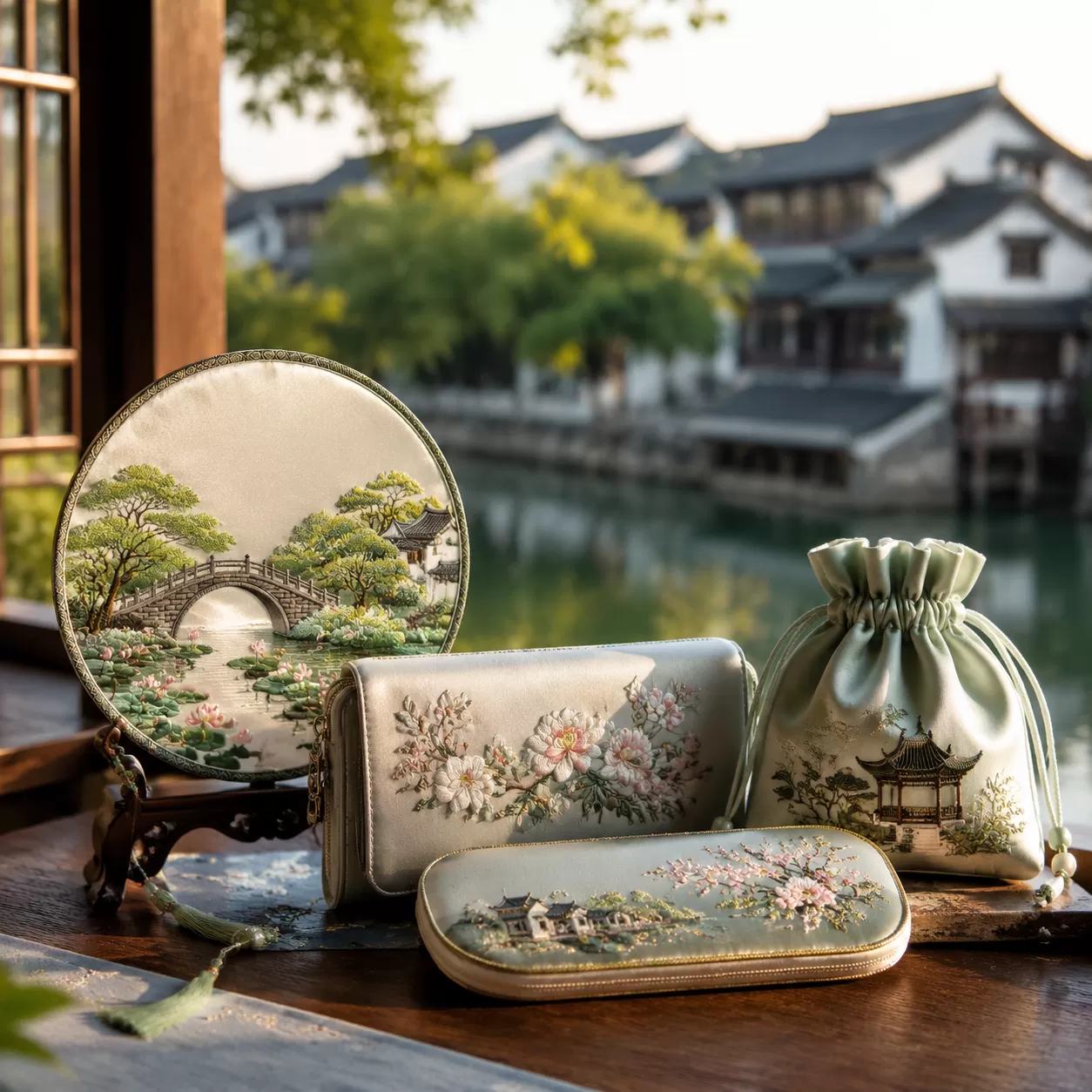
Suzhou is famous for its rich tradition of silk and embroidery, making it a must-visit for anyone interested in traditional Chinese crafts. As part of your Suzhou travel guide, exploring these local specialties offers a great way to bring home authentic souvenirs.
Suzhou’s silk culture goes back centuries, and the city is renowned for producing some of the finest silk in China. When shopping for silk, look for high-quality, smooth, and lustrous fabrics—these are signs of genuine Suzhou silk. You can find silk products ranging from scarves and clothing to luxurious bedding. For an authentic experience, visit factory outlets and silk workshops where you can see the silk-making process firsthand and buy directly from the producers. Many workshops also offer guided tours, which are a great way to learn about the history and craftsmanship behind Suzhou silk.
In addition to silk, Suzhou embroidery is another highlight. Known for its delicate, detailed needlework, Suzhou embroidery features styles like Suzhou satin embroidery and silk embroidery, with prices varying based on complexity and size. Authentic embroidery pieces are often handcrafted and can be quite valuable, so it’s worth shopping at reputable stores or markets to ensure quality.
Traditional crafts and handmade souvenirs are plentiful in Suzhou. Markets, old town shopping streets like Pingjiang Road, and malls offer a variety of options, from embroidered textiles to small art pieces. Bargaining is common in local markets, so don’t hesitate to negotiate prices politely—just remember to keep it friendly. However, be cautious of overly cheap silk or embroidery items, as they may be fake or of lower quality. Always check for authenticity and ask for certificates if available.
When shopping for silk and souvenirs, it’s wise to pack carefully and consider shipping items home, especially delicate pieces like embroidered textiles. Many shops offer packing and international shipping services to ensure your souvenirs arrive safely. This way, you can enjoy your shopping without worrying about damage during travel.
For more tips on authentic Chinese shopping experiences, including how to spot genuine products, check out our Suzhou travel guide.
Three-Day Suzhou Itinerary for First-Timers

If you’re planning your first trip to Suzhou, a three-day itinerary is a great way to see the highlights without feeling rushed. This Suzhou travel guide is perfect for first-time visitors who want to experience the classical Chinese gardens, water towns, and local culture. Depending on your pace, you can adapt this plan for a shorter or longer stay, but three days hits a good balance.
Day 1: Classical Gardens and Old Town Canals
Start your trip exploring Suzhou’s famous classical Chinese gardens, like the Humble Administrator’s Garden and the Lingering Garden. These UNESCO World Heritage sites are the heart of Suzhou’s charm. Afterward, take a leisurely walk through Suzhou’s old town, especially along Pingjiang Road, for canal views, quaint cafes, and traditional shops. Aim to arrive early to avoid crowds and get the best photos.
Day 2: Water Towns and Tiger Hill
Dedicate your second day to visiting one of Suzhou’s water towns, such as Tongli or Zhouzhuang. These water villages are perfect for experiencing traditional waterways and historic architecture. Combine this with a trip to Tiger Hill, famous for its leaning pagoda and panoramic views. Use local transport options like buses or water taxis to make the most of your day. For detailed tips, check out our Suzhou water towns guide.
Day 3: Museums, Silk, and Cultural Experiences
On your final day, explore Suzhou Museum designed by I.M. Pei, which combines modern architecture with traditional Chinese elements. Then, visit the Suzhou Silk Museum to learn about the city’s silk culture and even shop for authentic silk souvenirs. Leave some free time for a relaxing tea house visit or a Kunqu Opera performance. For families or couples, there are plenty of options to tailor your day.
Adapting Your Trip
If you have only 1–2 days, focus on the top highlights like the Humble Administrator’s Garden, Tiger Hill, and a water town. For longer stays, you can explore lesser-known gardens, hidden neighborhoods, and local markets at a more relaxed pace. This flexible Suzhou travel guide helps you enjoy the best of Suzhou, whether you’re on a quick trip or an extended visit.
Practical Travel Tips for Suzhou
Traveling in Suzhou is pretty straightforward, but a few tips can make your trip smoother. First, check entry requirements—most travelers from the US can enjoy visa-free stays up to 144 hours if they’re transiting through certain Chinese cities. For longer stays, a visa is necessary. Be sure to verify current policies before your trip, as rules can change.
While in Suzhou, knowing some basic Chinese phrases can go a long way. Simple greetings like “Ni hao” (hello) and “Xie xie” (thank you) can help you connect with locals. Many shopkeepers and service staff speak limited English, so having a translation app or phrase list handy is helpful.
In terms of money, cash is still widely accepted, but digital payments are king in Suzhou. WeChat Pay and Alipay are the most common, so setting up these apps before your trip can save you a lot of hassle. Many hotels, restaurants, and shops also accept credit cards, but it’s best to carry some cash for small vendors or markets.
For budgeting, plan on spending around $50-100 per day, depending on your style. Transportation costs are generally low—public transport and water taxis are affordable, and entrance fees for gardens or museums are usually under $10. Buying tickets online in advance can save time, especially for popular sights like the Humble Administrator’s Garden or Suzhou Museum.
Health and safety are pretty good in Suzhou, but it’s wise to stay hydrated and wear sunscreen, especially during summer. When visiting gardens and temples, follow local etiquette—avoid loud behavior, don’t touch exhibits, and dress modestly. Respect local customs, especially in water towns and residential areas, to ensure a positive experience.
Staying connected is easy with local SIM cards or portable Wi-Fi devices. Most providers offer affordable plans, and many cafes and hotels provide free Wi-Fi. If you plan to explore beyond the city, having reliable internet helps with navigation and translation apps.
By keeping these practical tips in mind, your trip to Suzhou will be more enjoyable and hassle-free—allowing you to fully enjoy the beauty of this historic water town.
Where to Stay in Suzhou

Choosing the right place to stay in Suzhou depends on your travel plans and what you want to experience. If you want to be close to the city’s historic charm, staying near Suzhou Old Town and the classical gardens is ideal. Many accommodations here offer easy access to popular sights like the Humble Administrator’s Garden or Pingjiang Road canal walk, making it perfect for exploring on foot.
For a more scenic stay, consider canal-side guesthouses and homestays. These options give you an authentic experience and beautiful views of Suzhou’s ancient waterways. If comfort and convenience are your priorities, mid-range hotels near major attractions like Tiger Hill or Shantang Street are a good choice. They usually provide quick access to public transport and popular spots.
If luxury is your style, look into hotels in Suzhou Industrial Park or beyond. These upscale options often feature modern amenities, skyline views, and excellent service, ideal for a relaxing stay after a day of sightseeing. Budget travelers and backpackers can find plenty of hostels and affordable stays throughout the city, especially in areas like Shantang Street or near Suzhou’s train stations.
When choosing a hotel, consider your itinerary. Staying near the gardens and water towns can save you travel time, while those planning to explore multiple neighborhoods might prefer a central location with good metro access. To get from your hotel to main Suzhou sights, use the Suzhou Metro map or ride-hailing apps like Didi for quick, hassle-free transportation.
Booking tips are especially important during peak seasons and festivals, such as the Spring Festival or Golden Week. It’s best to reserve well in advance to secure the best rates and availability. For more ideas on where to stay in Suzhou, you might find this Suzhou travel guide helpful for detailed neighborhood insights.
Hidden Gems and Local Secrets in Suzhou
While Suzhou’s classical Chinese gardens and water towns are top attractions, there are plenty of quieter spots and lesser-known sites that give a more authentic experience. If you want to avoid the crowds, explore some hidden gardens and small historic sites that aren’t on every tourist’s list. These spots often have a peaceful vibe and unique stories to tell.
Lesser-known canals and backstreet walks are perfect for discovering Suzhou’s charm away from the busy tourist areas. Strolling along these quiet waterways offers a glimpse into local life and some beautiful photo opportunities. You might also find local markets that tourists usually skip—great places to try fresh produce, snacks, and handmade crafts.
Neighborhood parks and community spaces are scattered throughout Suzhou, often filled with locals practicing tai chi or enjoying a quiet afternoon. These spots are perfect for a laid-back break or a peek into everyday life. For tea lovers, Suzhou’s underrated tea houses and cafes are hidden treasures—many serve traditional brews and snacks in cozy settings, away from the touristy spots.
In addition, explore some lesser-visited neighborhoods for an evening stroll. These areas often have charming alleyways, small temples, and local eateries that give you a taste of authentic Suzhou life. Small museums and cultural corners off the main route can also be surprisingly interesting, showcasing local crafts, history, or art.
When it comes to food, finding authentic, non-touristy spots can really enhance your trip. Look for small family-run restaurants and night markets where locals gather. These places serve up genuine Suzhou cuisine, from delicate noodles to the famous squirrel-shaped mandarin fish. Asking locals for their favorite spots is a great way to uncover hidden culinary gems.
Finally, Suzhou is full of cultural quirks and stories that locals love to share—like the history behind certain temples or the traditions of local crafts. Engaging with residents can make your experience richer and more memorable, revealing the true spirit of this beautiful city beyond the well-trodden sights.
For more travel tips, check out our Suzhou Travel Guide for additional hidden gems and local secrets.
Packing List, Budget Planning, and Final Tips for Suzhou
Getting ready for your Suzhou trip? Here’s a quick rundown on what to pack, how to plan your budget, and some final tips to make your visit smooth and enjoyable.
Essential Packing List for a Suzhou Trip
- Comfortable walking shoes — you’ll be exploring gardens, water towns, and streets.
- Lightweight clothing for spring and summer; warmer layers for autumn and winter.
- Sun protection: hat, sunglasses, and sunscreen.
- Reusable water bottle and snacks, especially if you plan to spend long days outdoors.
- Camera or smartphone with extra batteries for capturing the stunning gardens and canals.
- Travel-sized umbrella or raincoat — Suzhou weather can be unpredictable.
Season-Specific Items to Pack
- Spring: Light jacket, umbrella, and layers for cool mornings.
- Summer: Breathable clothes, sunblock, and a hat for the hot and humid days.
- Autumn: Sweater, scarf, and comfortable shoes for leaf-peeping.
- Winter: Warm coat, gloves, and thermal wear — Suzhou can get quite chilly.
What to Carry for a Full Day in Suzhou Gardens and Water Towns
- Water and snacks to stay energized.
- A map or download offline Suzhou metro map for easy navigation.
- Cash and mobile payment apps like WeChat Pay or Alipay, as some small vendors don’t accept cards.
- A small backpack for convenience.
- Personal hygiene items and hand sanitizer.
Sample Daily Budgets for Different Travel Styles
- Budget travelers: $50–$80/day, focusing on street food, public transport, and budget accommodations.
- Mid-range visitors: $100–$200/day, including nicer hotels, guided tours, and some fine dining.
- Luxury travelers: $250+ per day, with upscale hotels, private guides, and fine restaurants.
Saving Money on Transport, Food, and Tickets
- Use combo tickets or passes for gardens and museums — they often save you money.
- Book train tickets in advance, especially for popular routes like Shanghai to Suzhou.
- Opt for local street food and small eateries for authentic, affordable meals.
- Consider staying near major attractions to cut down on transportation costs.
How to Pace Your Days in Suzhou
- Prioritize your must-see sights and plan your routes efficiently.
- Mix busy days with more relaxed ones — don’t try to do everything in one day.
- Use the Suzhou metro and water taxis to save time.
- Allocate time for spontaneous strolls along canals or in quiet gardens.
Common Mistakes Travelers Make in Suzhou
- Overpacking your schedule — leave room for surprises.
- Not booking tickets ahead for popular gardens or shows.
- Ignoring local customs or etiquette, especially in temples and water towns.
- Underestimating the weather — always check the forecast before packing.
Final Reminders Before You Board the Shanghai to Suzhou Train
- Have your tickets ready, whether printed or digital.
- Arrive early to avoid last-minute stress.
- Keep your passport and travel documents handy.
- Check the train schedule and platform info in advance.
- Remember, Suzhou is a city of gardens, water towns, and rich culture — take your time to enjoy each moment.
Planning ahead with these tips will help you get the most out of your Suzhou adventure. For more on local attractions, check out our Suzhou travel guide.