Temple of Heaven History
The Temple of Heaven is a historic site built during the Ming and Qing dynasties, making it one of China’s most iconic cultural landmarks. Originally constructed in the early 15th century, it served as the place where emperors of these dynasties performed important sky worship rituals. The Ming dynasty, which began in 1368, initiated the construction of this grand complex to honor Heaven and seek good harvests, reflecting the deep connection between Chinese cosmology and imperial authority. During the Qing dynasty (1644–1912), the temple complex was expanded and refined, solidifying its role as a central site for imperial ceremonies.
Why did the imperial court build the Temple of Heaven? The answer lies in its religious and political significance. It was believed that Heaven was the supreme power controlling the fate of the nation. Emperors, regarded as the Son of Heaven, performed elaborate sacrifices here to ensure harmony between Heaven and Earth, which was essential for a prosperous society. Major emperors, such as Kangxi and Qianlong, held sky worship rituals at the temple, emphasizing their divine right to rule and their role as mediators between Heaven and humanity.
Over time, the Temple of Heaven became a symbol of Chinese cultural heritage. Recognized for its historical and architectural importance, it was designated a UNESCO World Heritage site in 1998. This recognition helped promote its preservation and restoration, ensuring the site remains intact for future generations. Throughout the years, efforts have been made to maintain its original beauty and structural integrity, making it a must-visit destination for travelers interested in Chinese history and culture.
Temple of Heaven Architecture
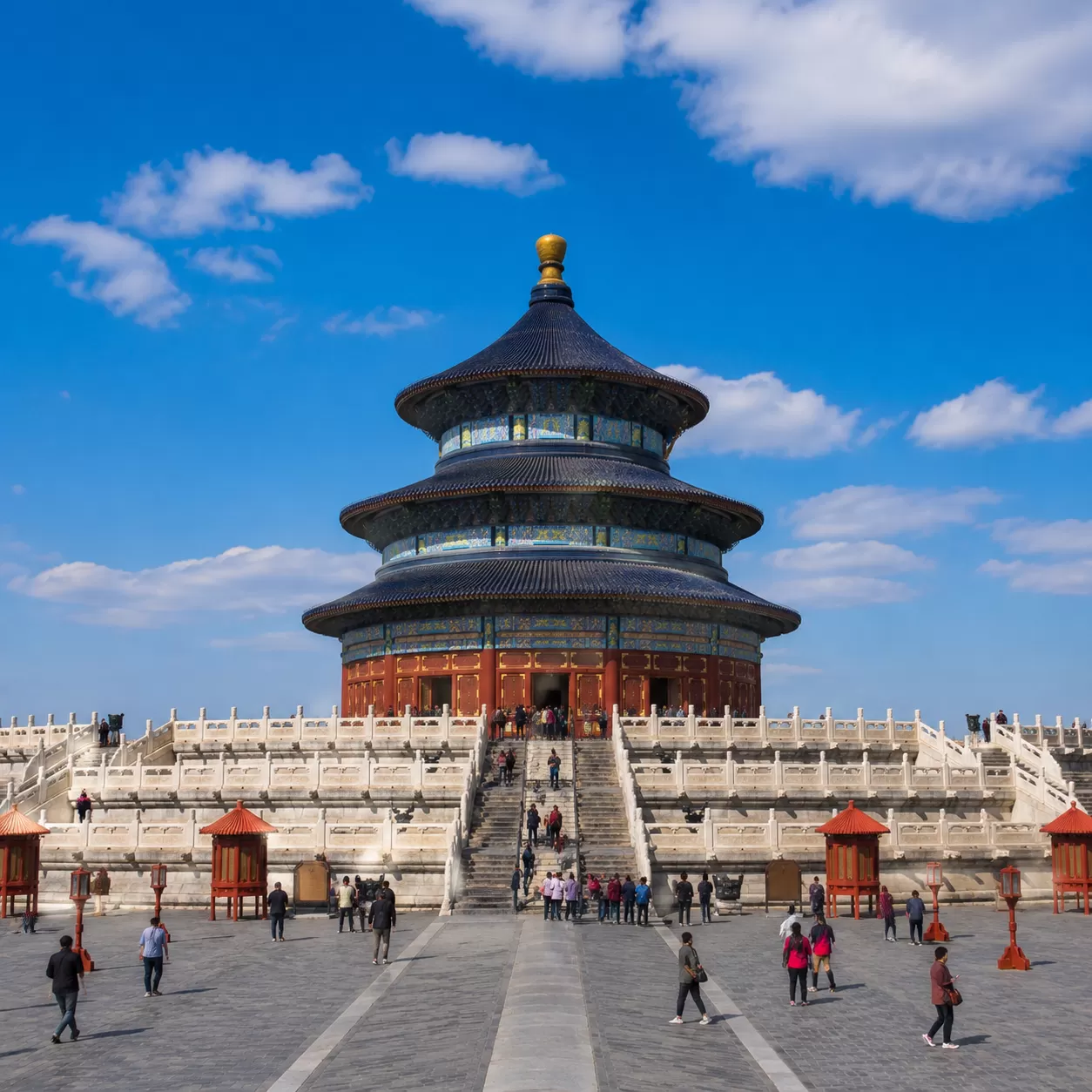
The Temple of Heaven is a masterpiece of traditional Chinese architecture, with a layout filled with symbolism that reflects ancient cosmology. The site is carefully arranged according to principles of harmony and balance, with each structure serving a specific purpose in the emperor’s sky worship rituals.
One of the most iconic buildings is the Hall of Prayer for Good Harvests. This circular wooden structure, topped with a blue tiled roof, symbolizes the heavens. Its design emphasizes symmetry and precise craftsmanship, making it a stunning example of Ming and Qing dynasty architecture. Visitors often marvel at the intricate wooden brackets and vibrant colors, which highlight the skill of traditional Chinese artisans.
Adjacent to the hall is the Circular Mound Altar, an open-air platform where emperors performed sacrifices to Heaven. Its round shape signifies the sky, and the altar’s carefully laid stones create a perfect circle. Nearby is the Imperial Vault of Heaven, a smaller, round building that houses the divine tablets used during ceremonies. Its simple yet elegant design reflects the spiritual connection between heaven and earth.
The park also features the famous Echo Wall, known for its remarkable acoustics. Standing at one point along the wall, you can whisper, and your voice will be heard clearly at the other end—over 100 meters away. Close by are the Three Echo Stones, which produce distinct echoes when struck, showcasing ancient Chinese ingenuity in acoustics.
The buildings are constructed using traditional materials like wood and glazed tiles, with craftsmanship that emphasizes durability and beauty. Reading the complex map of the Temple of Heaven helps visitors understand the significance of each structure and how they fit into the overall spiritual layout. This thoughtful design reflects the deep connection between architecture, symbolism, and Chinese cosmology.
Temple of Heaven Meaning
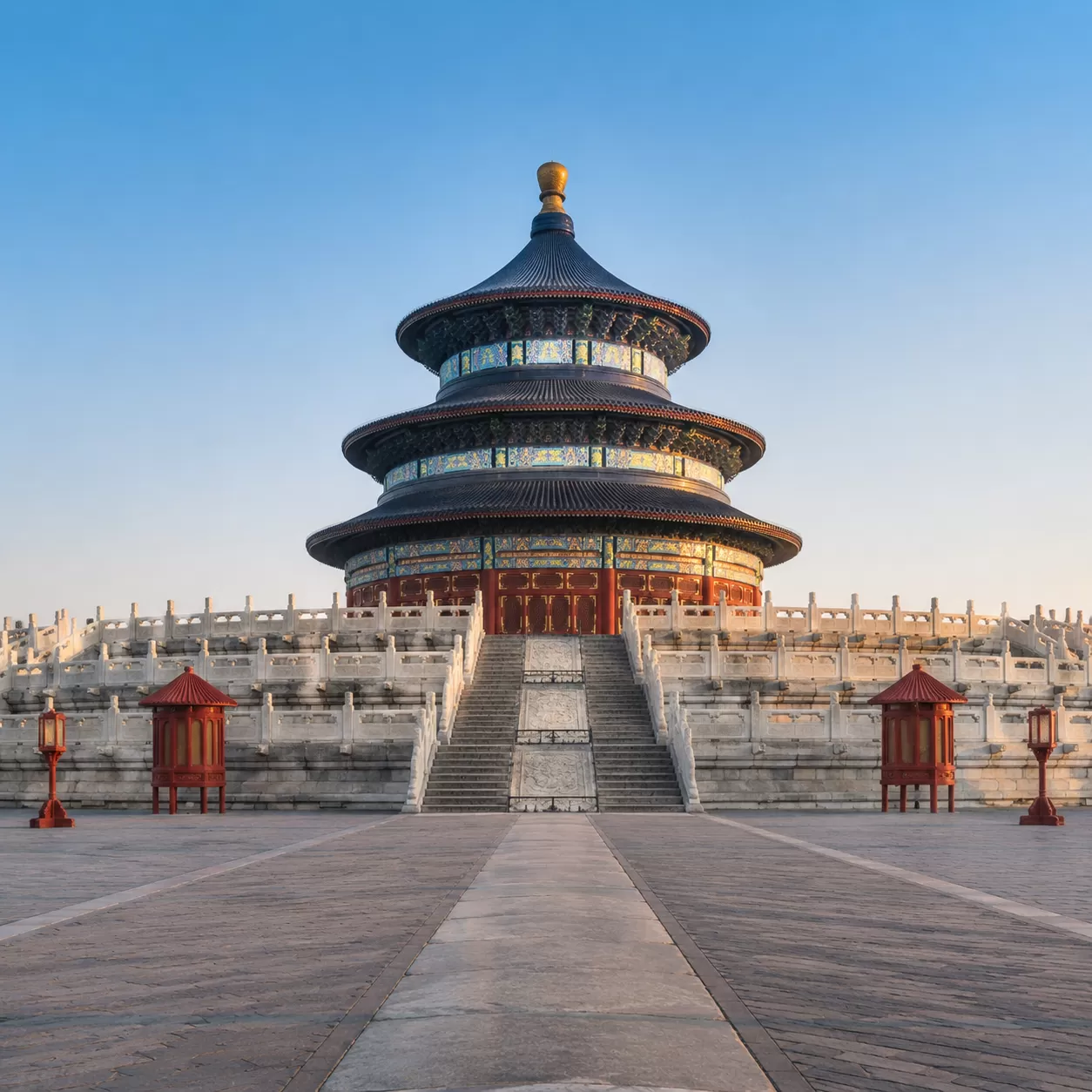
The Temple of Heaven is more than just an impressive structure; it’s a symbol of ancient Chinese cosmology and the deep connection between heaven and earth. In traditional Chinese belief, heaven represents the sky and the divine, while earth symbolizes the land and human life. The temple’s design reflects this harmony, emphasizing the importance of maintaining balance between these two forces.
Historically, the temple played a central role in imperial sacrifice ceremonies, where the emperor acted as the intermediary between heaven and earth. These rituals were believed to ensure good harvests and peace for the empire. The Hall of Prayer for Good Harvests, with its iconic circular shape, symbolizes heaven, while the Circular Mound Altar represents earth. The Imperial Vault of Heaven is where the emperor would pray for harmony and prosperity.
In Chinese history, the Temple of Heaven was a political and religious hub. It reinforced the emperor’s divine right to rule, emphasizing that his authority was granted by heaven itself. To the emperor, the temple was a sacred place where he could connect with the cosmos and seek blessings for the nation. This spiritual significance made it a vital part of Chinese culture, symbolizing the unity of heaven, earth, and human governance.
Temple of Heaven Visitor Guide
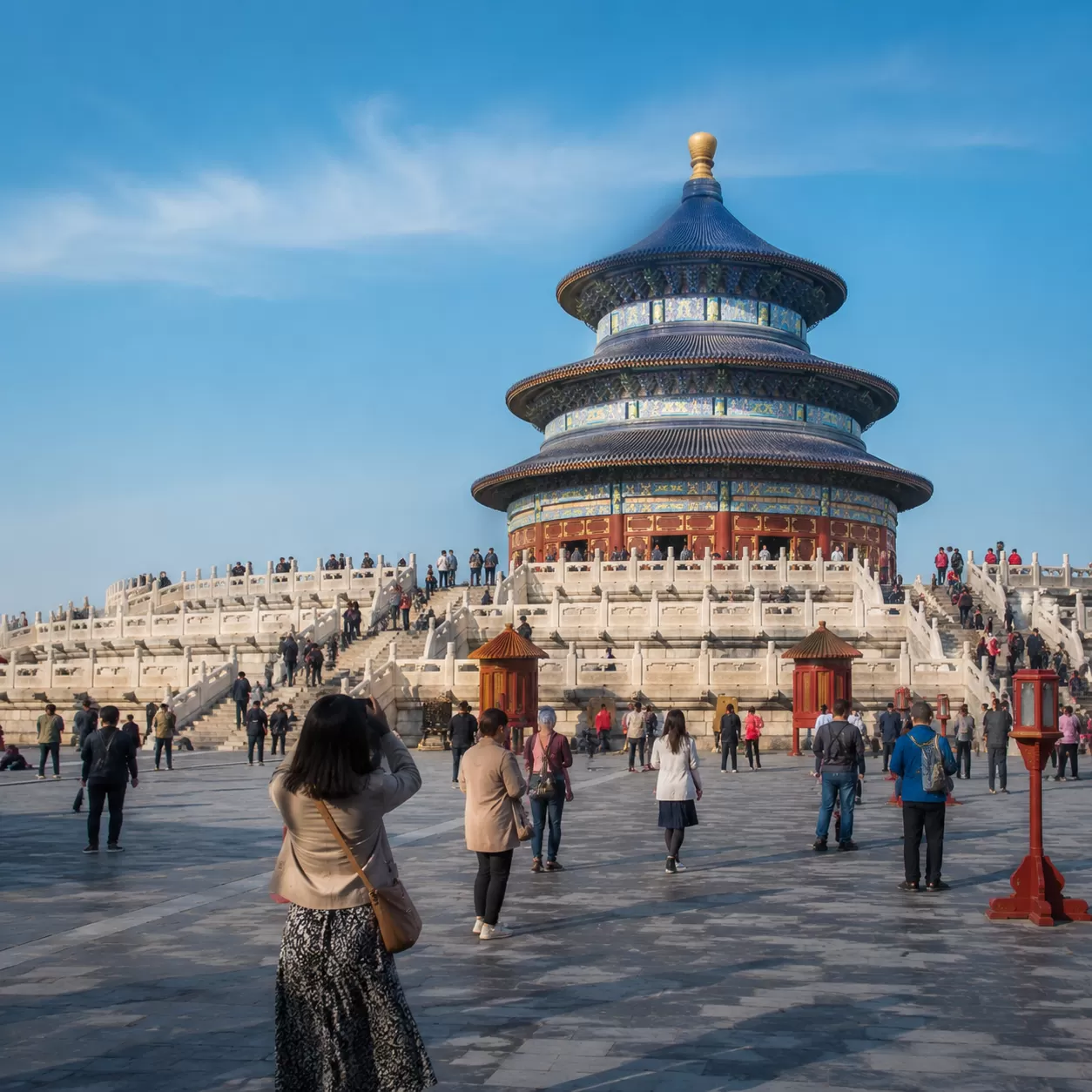
Visiting the Temple of Heaven is a must when exploring Beijing’s top attractions. The site generally opens from 6:00 AM to 9:00 PM, but the best time to visit is early morning or late afternoon when the crowds are thinner and the light is perfect for photos. Tickets cost around 30-35 RMB, with discounts for seniors and students. For a smoother experience, consider booking tickets online in advance.
Getting to the Temple of Heaven is easy via Beijing’s public transportation system. The most convenient way is to take the subway to the Tiantan Dongmen Station (Line 5), which is just a short walk from the entrance. Taxis are also available, especially if you’re coming from nearby hotels or other city attractions.
Once inside, I recommend a walking route that starts at the main entrance and moves clockwise around the park. This way, you can see the key sights in order: first the Hall of Prayer for Good Harvests, then the Circular Mound Altar, and finally the Imperial Vault of Heaven. Be sure to stop at the Echo Wall and the Three Echo Stones for some fun acoustics.
Inside the park, there are plenty of photo spots—like the intricate roof details of the Hall of Prayer or the expansive views from the Circular Mound Altar. Visitors should follow visitor rules, such as no smoking, no loud music, and respecting the peaceful environment. Dress comfortably but modestly, especially if you plan to join any traditional activities or ceremonies.
For a smooth visit, wear comfortable walking shoes, bring water, and check the weather forecast. If you’re planning a half-day or full-day trip, combining the Temple of Heaven with nearby sites like the Lama Temple or Beijing’s Imperial Palace can give you a richer cultural experience.
Things to Do at Temple of Heaven
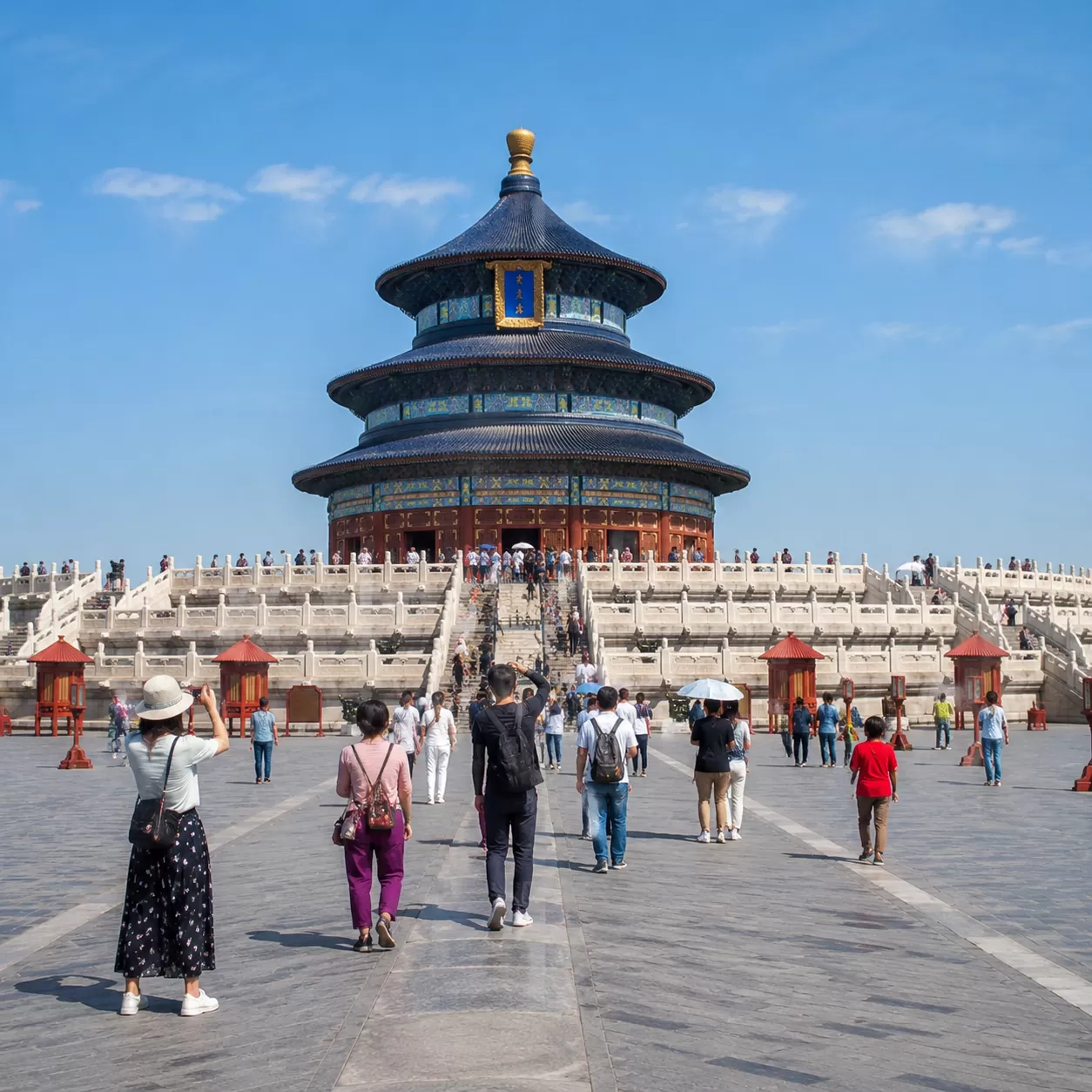
Visiting the Temple of Heaven offers a variety of memorable experiences. You can get an up-close look at the iconic Hall of Prayer for Good Harvests, where the emperor once prayed for a bountiful harvest. Walking around the Circular Mound Altar is a must, as it’s a powerful symbol of ancient Chinese cosmology and imperial sacrifice rituals. Don’t miss the Imperial Vault of Heaven, a smaller but equally significant structure that played a key role in heaven worship ceremonies.
While exploring, take some time to watch locals practicing tai chi early in the morning — it’s a peaceful sight that captures the park’s spiritual vibe. You can also join in on calligraphy classes or other park activities, which are popular among both locals and visitors. The park hosts seasonal events and festivals throughout the year, offering a chance to experience Chinese culture firsthand. Whether you’re interested in history, traditional arts, or just relaxing in a beautiful setting, the Temple of Heaven has plenty to offer. For more ideas on things to do in Beijing, check out this top 10 list.
Nearby Attractions and Travel Tips
If you’re visiting the Temple of Heaven, there are plenty of other top Beijing attractions nearby to explore. Just a short ride away, you can visit the Forbidden City or Tiananmen Square, both rich in history and culture. For a more modern experience, check out the Beijing Olympic Park or the Summer Palace, which offers beautiful gardens and lakes.
Getting around is easy with public transport—subway lines connect directly to the temple, making it convenient to avoid traffic. Taxis are also affordable and reliable if you’re traveling in a group or with luggage. When dining near the Temple of Heaven, you’ll find a variety of local restaurants serving traditional Beijing dishes like Peking duck or jianbing (Chinese crepes).
To make the most of your visit, consider planning a half-day or full-day trip. A half-day allows you to see the main sights at the temple and nearby parks, while a full day can include other cultural sites and a leisurely lunch. Remember to dress comfortably, especially if you plan to walk around the large temple park, and be mindful of local etiquette—like greeting with a nod or avoiding loud conversations in sacred areas. For more travel tips and cultural insights, check out our Beijing travel guide.