Why Suzhou Stands Out
Suzhou is one of the easiest Chinese cities to love. I see it as a rare mix of UNESCO World Heritage classical gardens, old canal streets, and a city that still feels practical for today’s traveler. You get history, scenery, and smooth logistics in one place.
It is often called the “Venice of the East” for good reason. The canals, bridges, and water towns give Suzhou a softer, slower rhythm than many big cities in China. At the same time, it has a modern side too, with strong transport links, clean districts, and easy access from nearby Shanghai.
Why it belongs on your list:
– UNESCO gardens: world-famous classical landscapes in a compact city
– Water town feel: canals, old streets, and walkable neighborhoods
– Modern comfort: simple transit, good food, and easy day-trip planning
– Balanced experience: traditional culture without feeling hard to navigate
Top UNESCO World Heritage Classical Gardens in Suzhou
Humble Administrator’s Garden: Why it’s a must-see and practical visiting tips
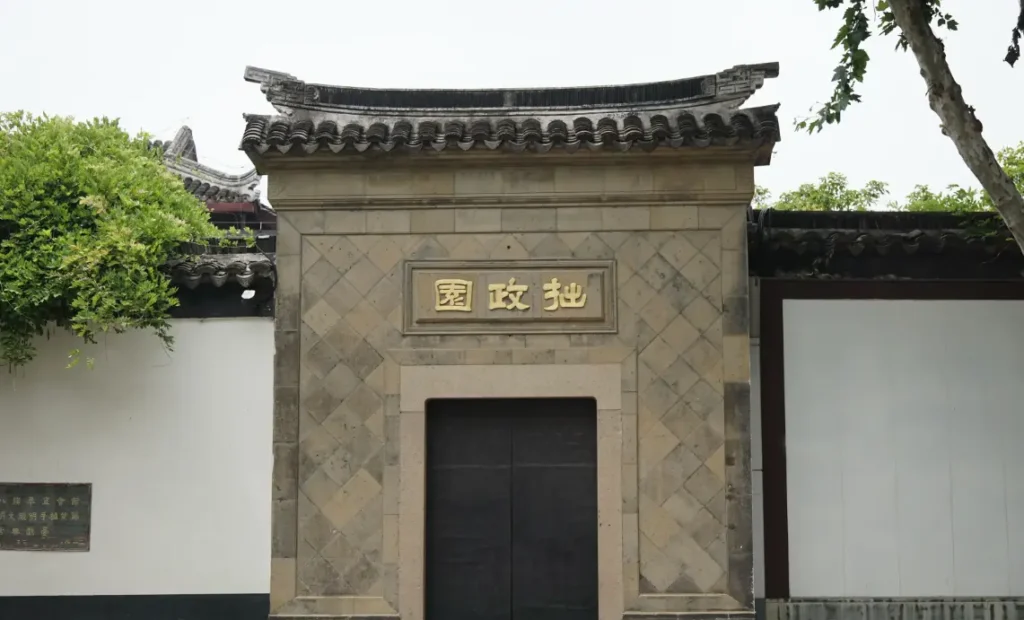
The Humble Administrator’s Garden is the largest and most famous of Suzhou’s UNESCO classical gardens. It’s a must-visit for its exquisite layout, lush greenery, and tranquil ponds. To avoid crowds, visit early in the morning or late afternoon. Tickets can be booked online in advance, especially during peak seasons, to save time. Allocate at least two hours to explore thoroughly and enjoy the peaceful atmosphere. The garden’s entrances are conveniently accessible via Suzhou Metro Line 1, with the nearest station being Shilu Station.
Lingering Garden: Highlights, best times to visit, and insider advice
The Lingering Garden is renowned for its elegant architecture, intricate rockeries, and beautiful pavilions. It’s best visited during spring or autumn when the weather is mild and the gardens are in full bloom. Early mornings or weekdays are less crowded, offering a more peaceful experience. Don’t miss the famous “Cloud-Capped Pavilion” and the traditional Chinese landscaping details. To avoid long lines, consider buying tickets online in advance. The garden is close to Suzhou Railway Station, making it easy to include in your itinerary.
Lion Grove Garden: Unique rockeries, maze-like layout, and ticket info
The Lion Grove Garden stands out for its astonishing rock formations and maze-like layout. It’s a favorite for those interested in Chinese landscape artistry and rockery design. The garden’s intricate pathways and caves make for an engaging visit, especially for photography lovers. Tickets are available at the entrance or can be purchased online for convenience. Plan to spend about 1 to 1.5 hours exploring. The garden is located near the city center, accessible via Suzhou Metro Line 2, with Shilu Station being the closest stop.
Exploring Suzhou’s historic canals and streets offers a glimpse into the city’s rich past and vibrant culture. Pingjiang Road is a must-visit for an authentic old town vibe, lined with traditional shops, teahouses, and cafes. It’s perfect for leisurely walks, trying local snacks, and capturing classic photos. To make the most of your visit, consider visiting early in the morning or late afternoon to avoid crowds. Parking options are limited, so using local taxis or the Suzhou Metro is recommended—Line 1 and Line 2 both connect conveniently to Pingjiang Road. For detailed logistics, check the Suzhou travel guide.
Shantang Street, often called the “Friendship Street,” buzzes with activity, especially at night. The lively night market scene offers street food, souvenirs, and local crafts. Canal cruises are a popular way to see the city from a different perspective—many operators run boat tours along the Shantang Canal, especially after sunset when the lights reflect beautifully on the water. Transportation tips include taking the local bus or taxi, as parking can be tight. The street is easily accessible via Suzhou Metro Line 1 and Line 2, with stops near the Shantang Street entrance. For a seamless experience, plan ahead and consider combining a canal cruise with an evening stroll on Shantang Street.
Best Things to Do in Suzhou: Ancient Landmarks
Tiger Hill
Tiger Hill is one of the easiest places to feel Suzhou’s history fast. The leaning pagoda is the big draw, but I also like it for the old garden paths, stone bridges, and calm hilltop views.
-
- Why go: classic Suzhou history, famous pagoda, strong photo spots
- Best visit time: early morning or late afternoon for fewer crowds
- How to visit: plan about 1.5 to 2 hours and wear comfortable shoes
- Practical tip: go in with enough time to walk slowly; the site is better when you do not rush
Panmen Gate
Panmen Gate gives you a cleaner look at Suzhou’s old city wall and water-side scenery. It feels more open than the gardens, so I treat it as a good stop for history plus views.
-
- Why go: ancient city wall, canals, and wide scenic views
- Best for: travelers who want a quieter historic stop
- Entry tip: visit in daylight for the best photos and easier walking
- Practical tip: combine it with a nearby slow stroll instead of trying to cram it in
Suzhou Museum
The Suzhou Museum I.M. Pei architecture is a highlight on its own. The design is modern, clean, and very photogenic, while still fitting Suzhou’s old-city style.
-
- Why go: architecture, galleries, and a polished museum experience
- Reservation tip: book ahead when possible, especially on busy days
- Visit tip: keep the pace short and focused; 1 to 2 hours is enough for most people
- Practical tip: arrive with your ticket or booking ready so entry stays smooth
For me, these three spots work best as a simple history route: Tiger Hill for the landmark feel, Panmen Gate for old-city character, and Suzhou Museum for modern design done right.

A Day Trip to Water Towns: Tongli and Zhouzhuang
Visiting water towns like Tongli and Zhouzhuang is a must for travelers craving authentic Chinese charm outside Suzhou. Tongli Water Town is famous for its well-preserved waterways, traditional architecture, and scenic bridges. The best time to visit is spring or autumn when the weather is mild, and the scenery is most vibrant. You can reach Tongli easily by high-speed train from Shanghai or Suzhou, then take a short taxi or shuttle to the town. Tickets are affordable, and many tours include guided boat rides, which are the highlight of the visit.
Zhouzhuang, often called the “Venice of the East,” offers a slightly more touristy but equally picturesque experience. It features historic residences, ancient stone bridges, and lively markets. Comparing Zhouzhuang and Luzhi helps you decide which suits your style—Zhouzhuang is more bustling, while Luzhi is quieter and more traditional. When planning your water town visit, consider the timing—early morning or late afternoon avoids crowds, and most towns open around 8 or 9 am. Tickets are usually purchased on-site or online, and local transport options include boats, buses, or taxis for easy access.
Savoring Authentic Suzhou Cuisine
Suzhou is famous for its delicate and flavorful local dishes, making food one of the best things to do in Suzhou. Top restaurants like Songhelou and Yaba Shengjian serve classic Suzhou cuisine, while street food stalls offer a lively, authentic experience. When visiting, don’t miss must-try dishes such as Sweet and Sour Mandarin Fish, known for its crispy exterior and tangy sauce, Shengjian Bao (pan-fried pork dumplings with a juicy filling), and Aozao noodles, a local favorite for their smooth texture and savory broth.
To enjoy a genuine culinary experience, learn how to order like a local: use simple phrases, avoid tourist traps by choosing busy, well-reviewed spots, and consider asking locals for their favorite stalls. For a deeper dive into local flavors and dining tips, explore our guide on Suzhou food. This way, you’ll enjoy the best of Suzhou’s rich food culture without falling into common tourist pitfalls.
Modern Suzhou: Jinji Lake and Industrial Park
Jinji Lake is the heart of Suzhou’s modern scene, offering stunning sunset views and a lively lakeside atmosphere. You can enjoy walking along the promenade, taking boat cruises, or relaxing at lakeside cafes. The area is also famous for its sleek, modern architecture, making it a popular spot for photos and leisure.
The Gate of the Orient stands out as a must-visit landmark. Its unique design makes it an iconic photo spot, especially at night when the building is illuminated. Visitors often enjoy panoramic views from the observation deck, which provides a great perspective of Suzhou’s skyline.
Getting around the modern district is straightforward. The area is well-connected by Suzhou Metro lines, especially Line 1 and Line 2, which link Jinji Lake to other parts of the city. For shopping and dining, there are numerous malls, boutiques, and international restaurants, catering to all tastes. Mobile payment apps like Alipay and WeChat Pay make transactions quick and easy, whether you’re grabbing a snack or shopping for souvenirs.
Getting Around Suzhou
High-Speed Train From Shanghai
If I’m coming from Shanghai, the high-speed train from Shanghai to Suzhou is the easiest option. I book early, check the station name, and leave enough time for security and platform changes. For a smoother plan, I also keep a Shanghai travel guide handy when I’m moving between the two cities: Shanghai travel guide.
-
- Check the train station before you buy the ticket.
- Book peak-time seats early.
- Keep your passport ready if you are traveling as an international visitor.
Getting Around Locally
Inside Suzhou, I rely on metro, bus, taxi, and mobile payment to keep things simple. For most trips, the metro is the cleanest choice, while taxis are the fastest backup when I want less walking.
-
- Use the metro for major sights and central districts.
- Take a taxi for short hops or late-night returns.
- Bring a transit card if you plan to move around a lot.
- Use Alipay or WeChat Pay where mobile payment is accepted.
Simple 2-Day Plan
I like to keep Suzhou easy and balanced:
-
- Day 1: classical gardens, then a historic street such as Pingjiang Road or Shantang Street.
- Day 2: a water town day trip, then a modern stop like Jinji Lake.
That mix gives me the classic UNESCO World Heritage classical gardens, the old canal feel, and a modern city finish without rushing.
FAQs about Visiting Suzhou
Best times to visit for weather and crowds
The ideal time to explore Suzhou is during spring (March to May) and autumn (September to November) when the weather is mild and the gardens are in full bloom or vibrant fall colors. Summer can be hot and humid, while winter is cooler but less crowded. Visiting during shoulder seasons helps avoid the peak tourist crowds and ensures a more relaxed experience.
Language barriers: Tips for non-Chinese speakers
Most tourist spots in Suzhou have English signage, but it’s helpful to carry a translation app or phrasebook. Learning basic Chinese phrases like “hello,” “thank you,” and “how much” can go a long way. Many local guides and hotel staff speak some English, and you can find English-speaking tour services for a smoother visit.
Budget tips: How to save on transportation, food, and tickets
Use Suzhou’s metro system—Line 4 and Line 6 are especially useful—to save on taxis. Purchase tickets in advance for popular attractions like the UNESCO gardens or Tiger Hill to avoid long lines. For meals, try local street food vendors or small restaurants—these offer authentic dishes like Shengjian Bao at lower prices. Mobile payment apps such as Alipay or WeChat Pay are widely accepted and make transactions quick and easy.
Safety tips and local customs to know
Suzhou is generally safe for travelers, but it’s wise to keep an eye on your belongings, especially in crowded areas. Respect local customs, such as removing shoes when entering homes or certain restaurants. When visiting temples or historic sites, dress modestly. Following these simple guidelines will help you have a smooth and enjoyable trip.