Hanshan Temple History
When people ask me what makes Hanshan Temple so special, I usually say this: it is not just an old temple in Suzhou. It is a place where history, poetry, and Buddhist legend all meet in one quiet corner of the city. If you are looking for a real Hanshan Temple history story, this is where it starts.
Liang Dynasty Origins
The earliest origins of Hanshan Temple go back to the Liang Dynasty, when the site is said to have been known as Miaoli Puming Temple. That early foundation gives Hanshan Temple a long place in the history of Suzhou ancient temples, even before the name “Hanshan” became famous.
A few things matter here:
- The temple’s roots are linked to early Buddhist development in the region.
- Its later identity grew through legend, poetry, and local memory.
- Over time, the site became known as Cold Mountain Temple Suzhou, which is the English meaning many travelers now recognize.
This is one reason the temple feels different from a modern rebuilt attraction. It carries layers of time, even when parts of the current complex are later reconstructions.
Hanshan and Shide Legends
The legends of Hanshan and Shide are a huge part of the temple’s identity. For many visitors, this is where the story becomes memorable.
Hanshan, or “Cold Mountain,” and Shide are remembered as monk-poets with a playful, rough-around-the-edges style. They are linked to Zen-style wisdom, everyday humor, and a kind of spiritual freedom that feels very human. That is why people still talk about the Hanshan and Shide legends when they talk about Hanshan Temple legends and stories.
In local tradition, Hanshan Temple became associated with these two figures, and the temple’s name took on a new meaning:
- It was no longer just a religious site.
- It became a place connected to poetic Zen thinking.
- It started to stand for simple, direct spiritual life.
That blend of legend and practice is one of the main reasons the temple has lasted in the public imagination.
Tang Poetry and Zhang Ji
Hanshan Temple became world-famous in the Tang Dynasty because of Zhang Ji’s poem, “A Night Mooring Near Maple Bridge”. If you search for Maple Bridge poem Zhang Ji or A Night Mooring Near Maple Bridge, this is the poem people mean.
The poem’s opening lines are so well known in China that the temple is almost inseparable from them:
Moon sets, crows cry, frost fills the sky;
By Maple Bridge, the river lights are dim.
Outside Gusu City, Hanshan Temple bell;
Half past midnight, it reaches the traveler’s boat.
That poem changed the way people see the site. Today, many travelers come to Hanshan Temple because they already know the bell line from school, tourism, or literature. In a very real way, the temple became a Tang Dynasty poetry temple through Zhang Ji’s words.
The poem also ties the temple to nearby landmarks:
- Maple Bridge Suzhou
- the canal
- the mooring point
- Gusu’s old waterways
That is why Hanshan Temple is not just a building. It is part of a larger literary landscape.
Destruction and Rebuilding
Like many old Chinese temples, Hanshan Temple has not had an easy past. It was damaged more than once over the centuries, and much of what visitors see today reflects later reconstruction.
The temple went through:
- periods of destruction during war and instability
- rebuilding in later dynasties
- a major Qing Dynasty temple architecture phase that helped shape its present look
That Qing-era restoration matters because it gave the temple many of the features people recognize now, including halls, corridors, and classic temple symmetry. So while the temple is ancient in origin, the current appearance is the result of many rebuilds and repairs.
This kind of layered history is very common in China, and it is part of the reason Hanshan Temple cultural relic value is so important today.
Modern Revival and Protection
In modern times, Hanshan Temple has been carefully protected and promoted as an important cultural site. It is now known not only as a religious space but also as a heritage destination and a symbol of Suzhou identity.
What stands out today:
- official protection as a cultural heritage site
- preservation of temple buildings and relics
- strong public interest from domestic and overseas travelers
- continued value as a living Buddhist temple, not just a museum
For visitors, this means Hanshan Temple still feels active. It is not frozen in the past. It is a working temple with a strong historical profile, which makes the visit feel more grounded and meaningful.
Zen Buddhism and Japanese Links
Hanshan Temple is also closely connected to Zen Buddhism, or Chan Buddhism in Chinese tradition. This is one reason it keeps showing up in discussions of Linji School Buddhism and broader East Asian Buddhist culture.
The temple’s influence reaches beyond China, especially through Japan. Many Japanese visitors know Hanshan Temple through:
- Tang poetry
- Zen-style literary tradition
- bell imagery in Buddhist culture
- the famous poem by Zhang Ji
This is where the temple’s international meaning becomes clear. Hanshan Temple is not just a Suzhou landmark. It is part of a shared cultural world that links China and Japan through poetry, Buddhism, and memory.
If you want the short version, I’d put it like this:
- History gives Hanshan Temple its depth
- Legends give it personality
- Poetry gave it fame
- Buddhism gave it meaning
- Restoration kept it alive for today
That is why Hanshan Temple still matters. It is one of those rare places where the story is as important as the site itself.
Hanshan Temple Architecture
Main Halls and Courtyards
When I walk through Hanshan Temple, the first thing I notice is how balanced the layout feels. The main halls are calm and orderly, with the Daxiong Hall at the center giving the whole temple a strong, traditional core. Inside, the golden Buddha statues stand out right away, while the Ming Dynasty arhat sculptures add a deeper historic feel.
Bell Tower and Ancient Details
The bell tower is one of the biggest highlights at Hanshan Temple. It houses the famous 108-ton Hanshan Temple bell, which is a major part of the temple’s identity and one of the reasons many visitors come here. Nearby, the Puming Pagoda, stele corridor, Sutra Library, and Qing-style halls show the layered history of the site. I also like the stone carvings, calligraphy, and inscriptions from historic masters, which give the temple a quiet sense of age and respect.
Layout and Atmosphere
The paths and courtyards are easy to follow, and that makes the visit feel relaxed instead of rushed. The temple layout encourages slow walking, short pauses, and time to take in the details. It feels more intimate than many larger tourist sites, which is part of its charm.
Best Seasonal Views
Hanshan Temple changes with the seasons, and each one gives the place a different mood:
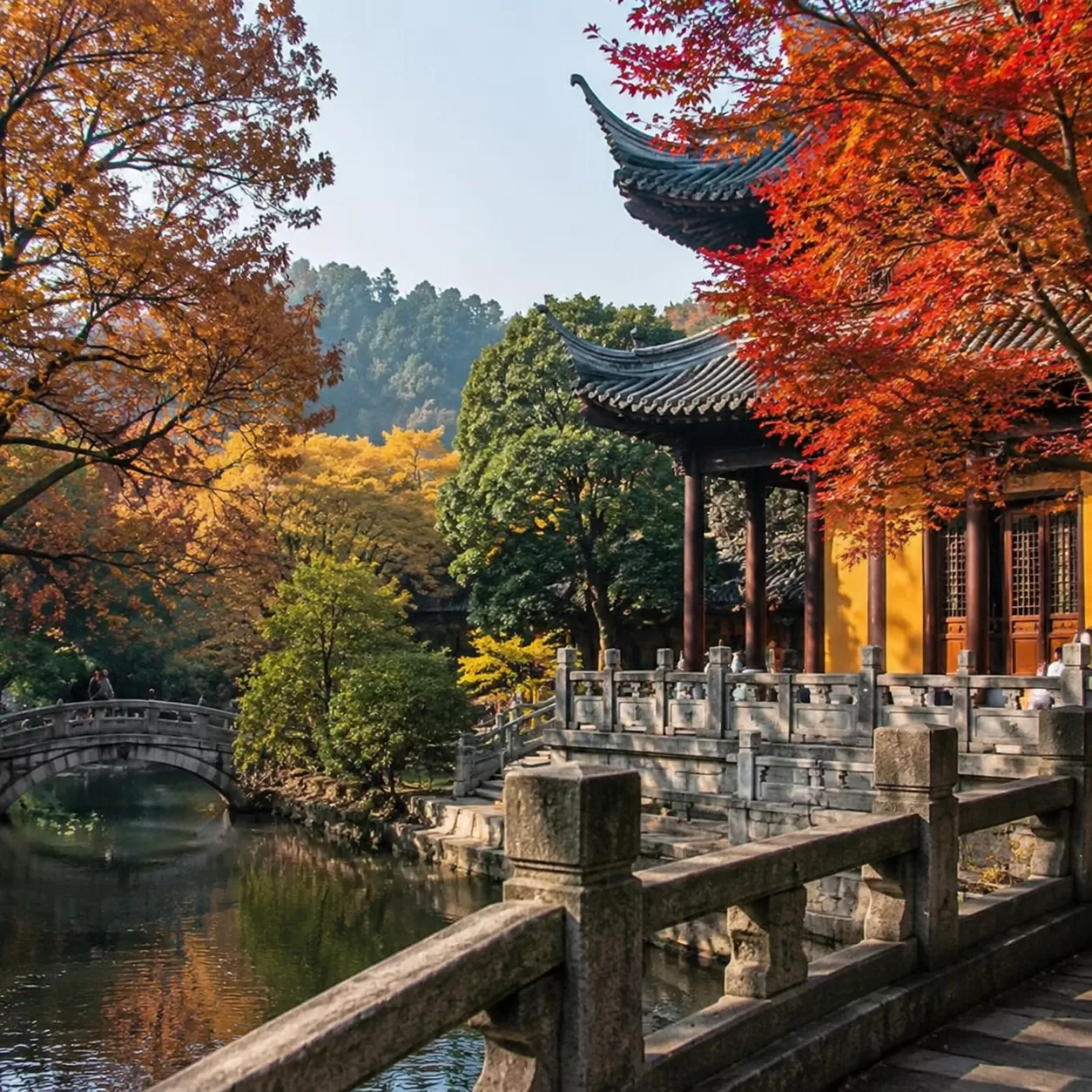
- Autumn brings bright maples and warm color around the temple grounds
- Summer adds deep greenery and a cooler shaded feel
- Winter creates a quieter scene with a calm, almost meditative atmosphere
For me, that mix of Hanshan Temple architecture, Qing Dynasty temple design, and seasonal beauty is what makes the site feel timeless.
The Poem That Made Hanshan Temple World-Famous
Zhang Ji’s Tang Dynasty poem
A Night Mooring Near Maple Bridge by Zhang Ji is the reason many people first hear about Hanshan Temple. For me, this is the poem that turned a quiet temple into a global symbol of Suzhou’s literary culture and Tang Dynasty poetry.
Chinese text and English meaning
Chinese text:
月落乌啼霜满天,
江枫渔火对愁眠。
姑苏城外寒山寺,
夜半钟声到客船。
English meaning:
- The moon sets, crows cry, and frost fills the sky.
- River maples and fishing lights face a sleepless, uneasy night.
- Outside Gusu City stands Hanshan Temple.
- At midnight, the bell sound reaches the traveler’s boat.
Real places in the poem
The poem is tied to real sights that still matter today:
- Maple Bridge: the place most visitors connect with the poem and the old Suzhou landscape.
- Canal waters: the quiet river scene that gives the verse its mood.
- Mooring spot: the riverbank where the traveler’s boat is imagined to rest.
Why Hanshan Temple matters
Hanshan Temple is more than a historic site. It is part of Suzhou’s identity because the poem gave it lasting meaning far beyond the city. That is why people still search for Maple Bridge poem Zhang Ji, A Night Mooring Near Maple Bridge, and Hanshan Temple history when they plan a trip.
If I am mapping out a fuller visit, I also like to use a Suzhou travel guide so Hanshan Temple fits into a clean route with other major stops.
Experiencing the poem on-site
What makes the visit memorable is how the poem is still present in the temple:
- Poem steles and inscriptions keep the verse visible.
- Bell sounds make the last line feel real.
- Reciting the poem near Maple Bridge gives the site a deeper sense of place.
For many travelers, this is the moment Hanshan Temple shifts from a name on a list to a place with real emotional weight.
Hanshan Temple Visiting Guide
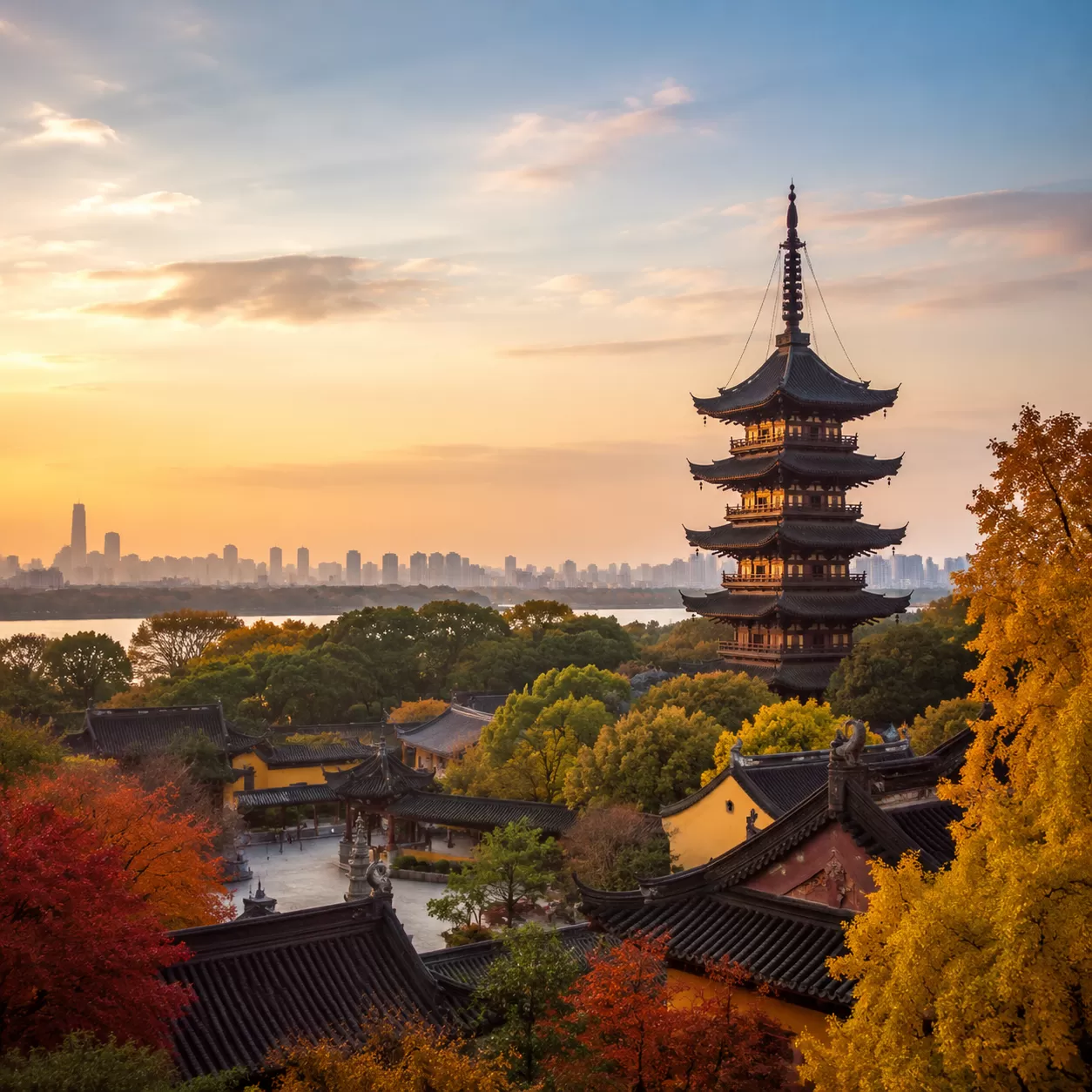
Hanshan Temple is one of the easiest Suzhou ancient temples to fit into a half-day trip, and I think it works well for both first-time visitors and repeat travelers. If I were planning a Suzhou travel guide temples stop, I’d keep it simple: arrive early, move slowly, and leave time for Maple Bridge and the Grand Canal area.
Hanshan Temple Location
- City: Suzhou, Jiangsu Province, China
- Area: Gusu District, near Maple Bridge Suzhou and Fengqiao Old Town
- Best way to plan it: Pair it with nearby canal sights, so you are not rushing across town
If you are using a map app, search Hanshan Temple location or Hanshan Temple map for the most direct route from your hotel.
How To Get There
- Metro: Take Suzhou Metro and transfer to a local bus or short taxi ride, since the temple is not usually a right-at-the-door metro stop
- Bus: This is a budget-friendly option and works well if you do not mind a little extra time
- Taxi or rideshare: Easiest for U.S. travelers who want a smooth trip with less guesswork
- From Maple Bridge: Walking is a good option if you want to explore the canal area on foot
Hours, Tickets, and Best Time
| Item | What I recommend |
|---|---|
| Opening hours | Check the current schedule before you go, since hours can change by season and holidays |
| Ticket price | Expect a paid entry; confirm the latest price online or at the gate |
| Best time | Early morning for quiet visits, late afternoon for softer light and fewer crowds |
For a calmer experience, I’d avoid peak holiday times and the busiest weekend hours, especially during the Hanshan Temple New Year bell season.
How Long To Stay
- Quick visit: 45–60 minutes
- Comfortable visit: 1.5–2 hours
- Slow visit with photos and bell tower time: 2–3 hours
If you want to enjoy the Hanshan Temple architecture, the stele corridor, the bell tower, and the courtyards without feeling rushed, I’d plan for at least 90 minutes.
Dress Code and Temple Etiquette
- Wear modest, comfortable clothing
- Keep shoulders and knees covered when possible
- Speak quietly inside halls and prayer areas
- Do not touch statues, altars, or relic displays
- Follow posted signs and any staff instructions
Hanshan Temple is still a working Buddhist site, so I treat it with the same respect I would give any active temple in China.
Photos and Quiet Zones
- Photography is often allowed in outdoor areas
- Some halls, relic spaces, or exhibits may restrict photos
- Skip flash near artwork, statues, and inscriptions
- Keep voices low in prayer areas and bell zones
If you want good photos of the Hanshan Temple bell tower, courtyard paths, or seasonal maples, I’d use a quiet, early-hour visit and avoid crowd-heavy moments.
Accessibility and Family Tips
- The temple is manageable for most families, but plan extra time if you are visiting with kids
- Older travelers should allow for walking, stairs, and uneven sections
- Seasonal weather matters a lot: summer can be hot and humid, while winter feels calmer but colder
- If mobility is a concern, I’d use a taxi or rideshare and enter with a slower pace in mind
Hanshan Temple is most rewarding when I keep the visit simple, quiet, and unhurried. For me, that is the best way to enjoy the Cold Mountain Temple Suzhou atmosphere and get the full feel of the place.
Bells, Bells, and the Magic of Reflection
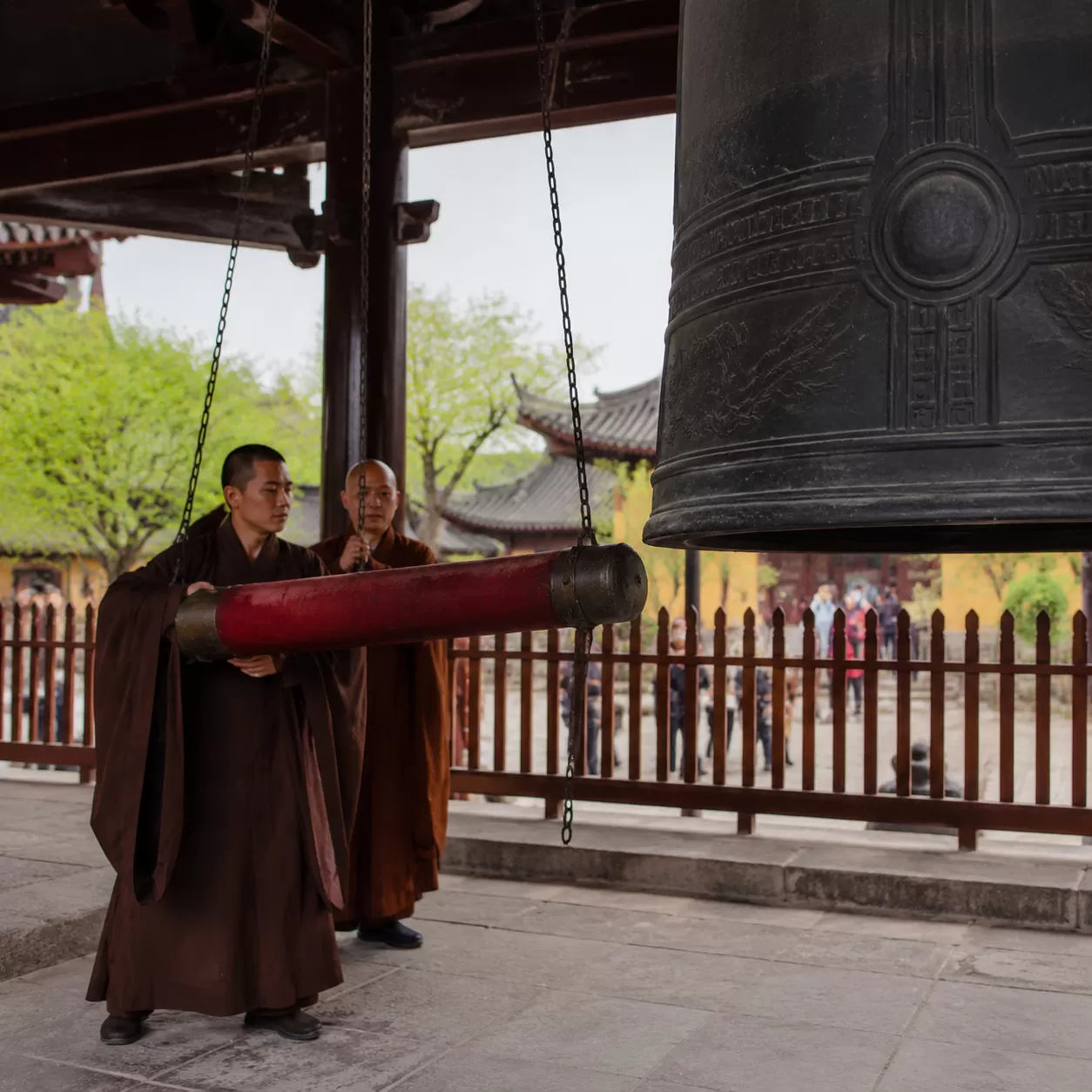
One of the most captivating experiences at Hanshan Temple is the daily bell ringing ritual. The temple’s large, historic bells are rung multiple times a day, creating a soothing sound that echoes through the peaceful surroundings. Visitors can often participate in these ceremonies, especially during special occasions like Chinese New Year’s Eve, when the bell ceremony is part of traditional celebrations. This event is believed to bring good luck and ward off evil spirits, making it a meaningful experience for those seeking spiritual connection.
If you want to join in the bell ringing as a visitor, it’s usually possible during designated times. Many temples, including Hanshan, welcome tourists to ring the bell, but it’s best to check the schedule in advance or ask the staff. When participating, it’s customary to make an incense offering at the prayer walls or wish-making spots, which are scattered throughout the temple grounds. These rituals help visitors express their hopes and respect for the temple’s spiritual atmosphere.
Balancing the peaceful, spiritual environment with the presence of tourists can be a challenge, especially during peak times. To truly enjoy a moment of quiet reflection, consider visiting early in the morning or during less busy hours. This way, you can better connect with the temple’s serene ambiance and experience the magic of reflection that Hanshan Temple offers. Whether you’re there for the bells, the incense, or simply to soak in the tranquil surroundings, it’s a place where personal spiritual moments can flourish away from the crowds.
Hanshan Temple and the Maple Bridge Area
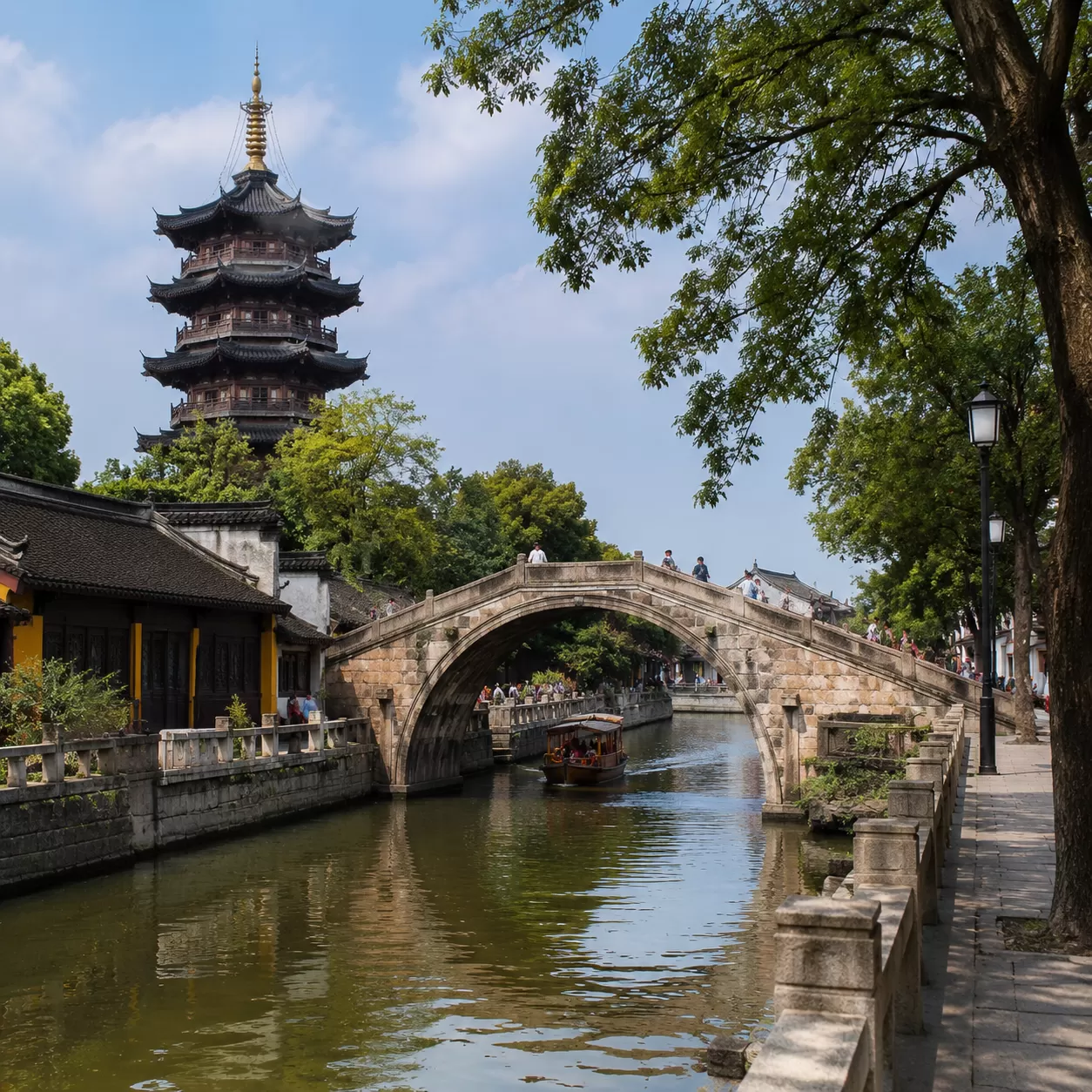
Walk to Maple Bridge
For me, one of the best parts of visiting Hanshan Temple is the short walk toward Maple Bridge and the Grand Canal. It gives me a real feel for old Suzhou: calm water, low-key streets, and a slower pace that feels very different from a big city stop.
Fengqiao Old Town Feel
Fengqiao Old Town has a local neighborhood vibe that I like more than a polished tourist strip. I usually take my time here and just wander.
- Narrow streets with a lived-in, old-town feel
- Easy access to Maple Bridge Suzhou landmarks
- Quiet corners that still feel tied to Hanshan Temple history
- Simple canal-side views that work well for a short detour
Food, Tea, and Small Shops
If I want a break, I look for local snacks and tea houses near Hanshan Temple. It is a good place to pause without rushing the visit.
- Street food and light snacks
- Tea houses with a relaxed atmosphere
- Shops selling silk, souvenirs, and temple-themed gifts
- Small items that make sense as easy travel gifts
Best Photo Spots
I think the best photos are usually the simple ones. Around Maple Bridge and the canal, I focus on water, stone bridges, and the temple area in the background.
- Maple Bridge itself
- Grand Canal views at golden hour
- Canal-side paths near Fengqiao Old Town
- Quiet angles that show the Hanshan Temple atmosphere
Easy Side Trips
If I have extra time, I keep the detour short and local. That helps the whole visit stay relaxed.
- A slow walk between Hanshan Temple and Maple Bridge
- A canal stop for photos and tea
- A quick look around nearby old streets
- A longer stroll if I want more of the Suzhou ancient temples and neighborhood feel
Hanshan Temple in Suzhou Itineraries: Perfecting Your Trip
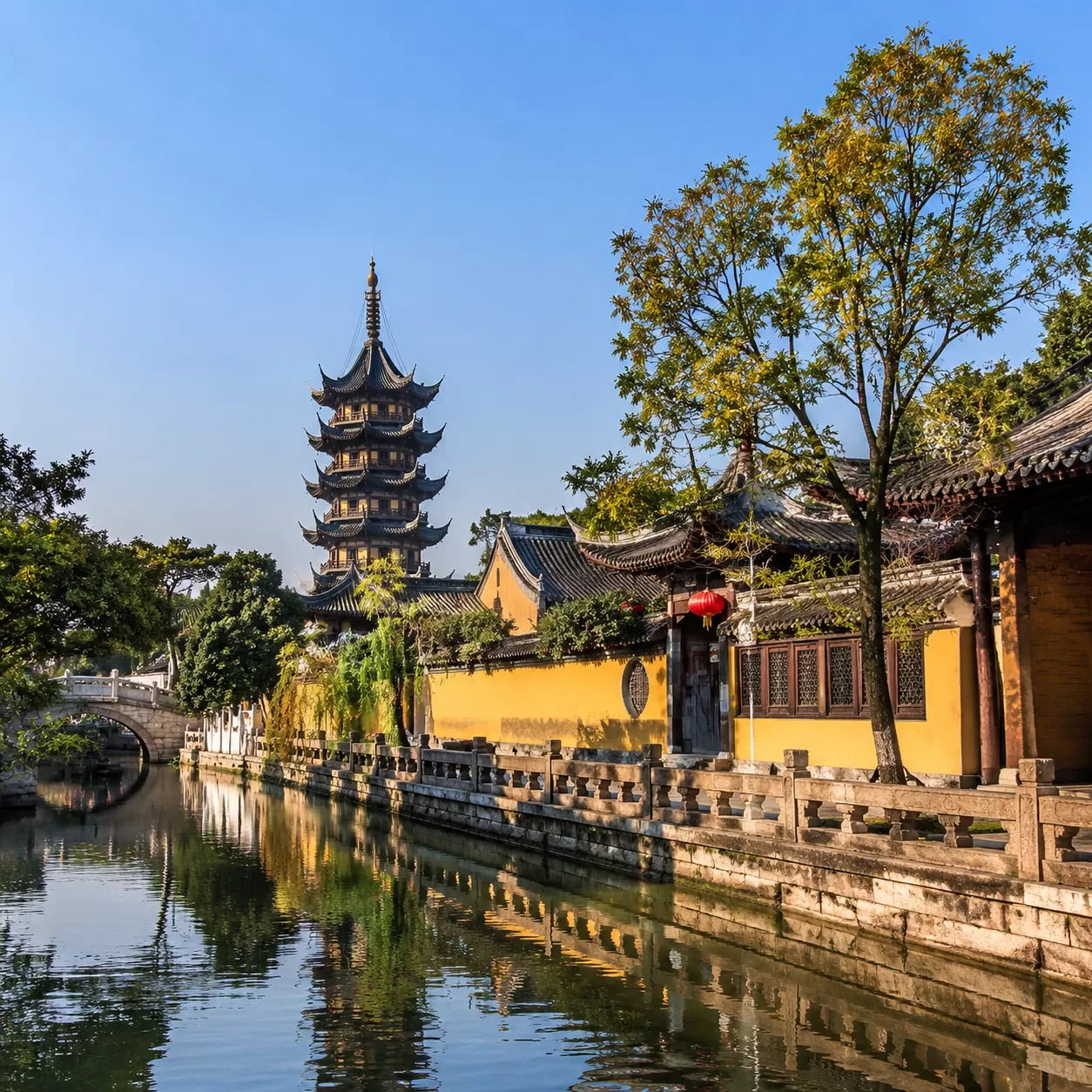
If you’re planning a trip to Suzhou, including Hanshan Temple in your itinerary is a must. It fits well into a one-day visit, especially if you want to experience the city’s rich history and serene atmosphere. You can easily combine Hanshan Temple with nearby attractions like Tiger Hill, Lingering Garden, or the famous canals, making your day both relaxing and culturally enriching. For travelers with more time, a 2- or 3-day plan can include Hanshan Temple along with other highlights, giving you a deeper dive into Suzhou’s legendary charm.
For different interests, there are tailored routes: history buffs will enjoy exploring the temple’s legends and architecture, photographers can capture its timeless beauty, and families will appreciate the peaceful surroundings. If you’re visiting on a weekday, you’ll find fewer crowds and a more tranquil experience, while weekends and the off-season often bring fewer tourists and better photo opportunities.
If Hanshan Temple is a must-see for you, plan to spend at least half a day in Suzhou. This allows enough time to soak in the spiritual atmosphere, explore the temple grounds, and enjoy nearby sights without feeling rushed. Whether you’re on a quick trip or a longer stay, including Hanshan Temple will add a meaningful layer to your Suzhou experience.
What to Expect: Atmosphere, Culture, and Local Insights
Visiting Hanshan Temple offers a unique experience that balances serenity with cultural richness. The overall vibe is often peaceful and reflective, making it a great spot for meditation or quiet contemplation. However, during peak times or festivals, it can feel lively and bustling with visitors, so your experience might vary depending on when you go.
When visiting, it’s good to keep in mind some cultural etiquette. Modest clothing is recommended—covering shoulders and knees—and it’s respectful to speak softly and avoid loud behavior. Offering incense or donations at the prayer walls is common, and many visitors participate in these traditions to connect with the spiritual atmosphere.
Local habits and unspoken rules also shape the experience. For example, taking photos inside the main halls is usually discouraged, and visitors are encouraged to maintain a respectful silence, especially during prayer or meditation sessions. These small gestures help preserve the tranquil environment that makes Hanshan Temple special.
There are honest pros and cons to visiting Hanshan Temple today. On the plus side, it’s a beautifully preserved site rich in history, legends, and stunning architecture—like the Ming Dynasty arhat sculptures and the famous 108-ton bell. On the downside, it can get crowded, especially during holidays or weekends, which might detract from the peaceful vibe for some visitors.
Many locals and returning visitors share stories about the deep sense of calm they find here, often mentioning the sound of the bell and the poetic atmosphere inspired by the famous Maple Bridge poem by Zhang Ji. These stories highlight the temple’s role as a spiritual and cultural hub that continues to inspire.
Who will love Hanshan Temple? If you’re into history, Zen Buddhism, or Chinese poetry, this site is a must-see. It’s perfect for those seeking a peaceful retreat or a place to reflect. On the other hand, if you prefer lively nightlife or modern attractions, this temple might feel a bit too quiet or traditional. Overall, Hanshan Temple offers a meaningful glimpse into Suzhou’s spiritual and cultural heritage, making it a memorable stop for many travelers.