Discover the secrets behind Lion Grove Garden and why it’s a must-visit for travelers and history enthusiasts alike. From its ancient Yuan Dynasty origins to its fascinating rockery maze and cultural significance, this garden offers more than just scenic beauty. Whether you’re curious about its UNESCO status, architectural marvels, or practical visit tips like ticket prices and the passport requirement for foreigners, this guide will give you everything you need to know. Ready to explore one of Suzhou’s most iconic landmarks? Let’s dive in.
Lion Grove Garden
Lion Grove Garden is one of Suzhou’s most distinctive classical gardens, best known for its dramatic Taihu rockery maze, layered pathways, and strong historical character. Set in Gusu District, it reflects the elegance and symbolism of the Classical Gardens of Suzhou while offering a compact, memorable visit for international travelers. This guide covers the garden’s history, the best ways to navigate it, practical visitor information, and nearby attractions that fit neatly into a Suzhou itinerary.
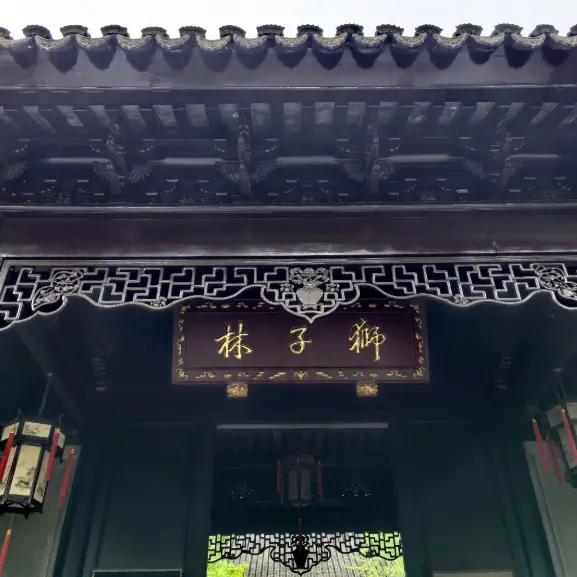
Quick Visitor Essentials for Lion Grove Garden
-
- Location: Lion Grove Garden is in Gusu District, Suzhou, at 23 Yuanlin Road. It is easy to fit into a day around central Suzhou sights.
- Opening hours: Hours can shift by season and holiday periods, so I always check the latest notice before I go, especially during peak travel times.
- Tickets: Prices, discounts, and booking rules may change. Real-name ticket reservation can apply, so booking ahead is the safer move.
- Passport check: International visitors should keep a passport ready, since ID verification may be needed for ticketing or entry.
- Visit length: I usually plan 1 to 2 hours for a relaxed visit, longer if I want to take photos and explore the Taihu rockery maze.
- Best time to go: Morning and late afternoon are the smartest windows for softer light and smaller crowds.
Lion Grove Garden History
Lion Grove Garden, also known as Shizilin Garden, traces its roots back to the Yuan Dynasty, when the Zen Buddhist monk Tianru helped shape its early identity. The name comes from the lion-like Taihu rock formations and Buddhist imagery, which give the garden its famous stone grotto labyrinth and deep cultural meaning. Over time, Emperor Qianlong visited the garden and left inscriptions, while the Bei family later restored and preserved much of what visitors see today. Its design also reflects the influence of the I.M. Pei family estate tradition, blending elegance, structure, and symbolism. As part of the Classical Gardens of Suzhou and a UNESCO World Heritage Site, Lion Grove Garden stands as one of the most important Gusu District attractions for travelers who want real history, not just pretty scenery.
Lion Grove Garden Architecture
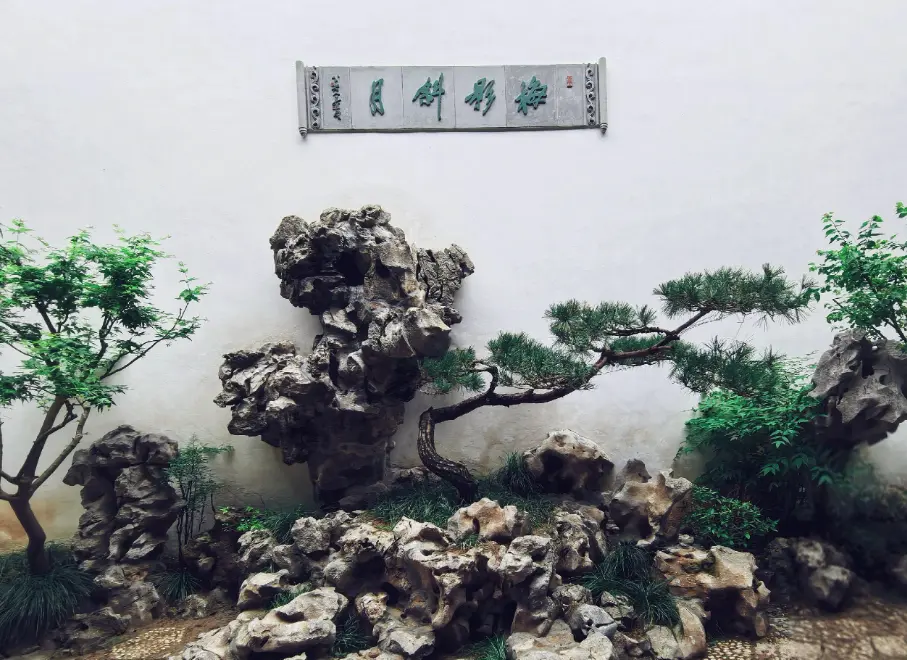
The heart of Lion Grove Garden is its Taihu rockery maze. This is not just decoration; it is a carefully built stone grotto labyrinth with caves, steps, bridges, and stacked levels that pull you deeper into the garden.
Key Structures
| Feature | What stands out |
|---|---|
| Taihu rockery maze | A layered maze of strange limestone rocks, tight paths, and hidden turns |
| Standing-in-Snow Hall | A main hall with a calm, classic garden setting |
| True Delight Pavilion | A scenic stop for open views and quiet rest |
| Stone Boat (Fang Sheng) | A stone watercraft shape that adds symbolism and style |
| Winding corridors | Connect the spaces and frame changing views |
What To Notice
-
- The grottoes and caves are built to feel natural, but every turn is planned.
- The multi-level pathways create a strong sense of depth, which is a classic feature of Classical Gardens of Suzhou.
- Water, rock, wood, and open space are balanced in a clean Chinese garden style.
- The Stone Boat is more than a feature; it reflects traditional symbolism and the garden’s creative design.
Why It Works
I see this garden as a strong example of traditional Chinese garden architecture done well: it uses stone to create movement, shade, contrast, and surprise. The result is a space that feels both artistic and practical, with clear viewpoints and a maze-like flow that keeps the experience interesting from start to finish.
Exploring the Taihu Rockery Maze at Lion Grove Garden
The heart of Lion Grove Garden is its Taihu rockery maze: a layered stone grotto labyrinth with winding paths, caves, and raised viewpoints that twist through the garden in a very tight space. I always tell visitors to slow down here, because the real experience is not rushing through it, but following the turns, pausing at each level, and letting the landscape reveal itself step by step.
How I navigate it
-
- Stay on the main flow first: follow the obvious paths before exploring smaller turns.
- Use landmarks: pick one pavilion, hall, or opening as a mental checkpoint so you do not loop around.
- Move slowly: the best views often come after a short climb or a narrow turn.
- Wear solid shoes: the stone surfaces can feel uneven, especially after rain.
- Plan for daylight: brighter hours make the cave openings, steps, and edges easier to read.
What to watch for
-
- Uneven ground and tight passages can make the maze slower to explore than it looks.
- Low light in grotto areas means careful footing matters.
- Mobility access is limited in the rockery section, so visitors with strollers, wheelchairs, or balance concerns should expect a challenge.
- For a smoother day in the city, I like pairing the garden with a practical Suzhou travel guide to keep transit and timing simple.
Best way to enjoy it
-
- Go early or later in the day for fewer crowds.
- Keep your phone or camera ready, but do not stop in narrow spots.
- Take your time at the higher points for the clearest garden views.
- Treat it as a stone grotto labyrinth, not a straight walk-through, and the visit feels much better.
Lion Grove Garden in Every Season
Lion Grove Garden changes fast with the weather, and that is part of the appeal. I always tell visitors to match the season to the look they want: soft flowers in spring, deep green shade in summer, bright color in autumn, and quiet, clean lines in winter.
Best Seasons for Photos
-
- Spring: Magnolias, young willows, and fresh greenery make the Taihu rockery maze feel lighter and more open.
- Summer: Lotus ponds and shaded grottoes give you cooler, richer photos with strong contrast.
- Autumn: Ginkgo trees and colorful foliage add warm tones around the pavilions and stone paths.
- Winter: Snow-covered rockeries and still water create the calmest scenes, with a more classic Jiangnan feel.
Photo Timing Tips
-
- Early morning: Best for fewer crowds and softer light on the stone grotto labyrinth.
- Late afternoon: Good for warm tones on the corridors, pavilions, and water features.
- Midday: Works if you want brighter detail, but the garden is usually busier.
Simple Shooting Advice
-
- Use the Stone Grotto Labyrinth and winding corridors for depth and leading lines.
- Focus on details near Standing-in-Snow Hall and True Delight Pavilion for a more balanced frame.
- Wear shoes with grip, since the stone paths can be uneven and slippery after rain or snow.
Getting There & Local Transit Options for Lion Grove Garden
Directions via Suzhou Metro
The easiest way to reach Lion Grove Garden is by using the Suzhou Metro. Take Line 4 or Line 6 and get off at the Shizilin Station. From there, exit at the appropriate station exit, and it’s a short walk to the garden entrance. The metro provides a convenient, fast, and reliable option for international visitors exploring Gusu District.
Public Bus Routes
Several bus routes serve the Shizilin area, making it accessible from various parts of Suzhou. Buses heading towards Shizilin are frequent and affordable, ideal for budget travelers or those staying farther from the city center.
Taxi & Ride-Hailing Tips
For direct and comfortable access, taxis and ride-hailing services like Didi are recommended. They offer door-to-door service, especially if you’re traveling with luggage or in a group. Simply input “Lion Grove Garden” or its Chinese name, and drivers will take you straight to the entrance.
Nearby Landmarks & Combining Attractions
Lion Grove Garden is close to other popular sites like the Suzhou Museum and Shizilin (Lion Forest Garden). These can be easily combined into a single day trip. Nearby landmarks such as the Humble Administrator’s Garden are also within a short ride, making it simple to plan a full day of exploring Gusu District’s classical gardens and cultural highlights.
Itinerary Planning & Nearby Attractions in Gusu District
The “Golden Triangle” in Suzhou includes Humble Administrator’s Garden, Suzhou Museum, and Pingjiang Road—a must-see cluster for a full experience. Planning your day around these sites allows you to explore Suzhou’s rich heritage efficiently. Start with Lion Grove Garden in the morning, then visit the nearby Humble Administrator’s Garden for its exquisite landscape. Later, stroll along Pingjiang Road for local shops, cafes, and traditional snacks.
For a seamless visit, consider these tips:
– Allocate 2-3 hours for each site.
– Use the Suzhou Metro (Line 4 or 6) for quick transit between attractions.
– Combine visits with local dining options—try Suzhou-style noodles or dim sum at nearby restaurants.
To enrich your trip, explore Suzhou Museum, a short walk from Lion Grove Garden, designed by I.M. Pei, which offers insights into local history and art. For a taste of local life, walk along Pingjiang Road, famous for historic architecture, teahouses, and souvenir shops.
Here’s a suggested daily route:
| Time | Activity |
|——–|————–|
| Morning | Lion Grove Garden + Suzhou Museum |
| Afternoon | Humble Administrator’s Garden + Pingjiang Road |
| Evening | Local dinner and tea experience |
Combining these attractions makes for a comprehensive day in Gusu District. For more local food options and cultural tips, visit Suzhou food guide.
Lion Grove Garden FAQs
| Topic | Quick answer |
|---|---|
| Lion Grove vs. other Suzhou gardens | Lion Grove Garden stands out for its Taihu rockery maze, caves, and layered paths. It feels more like a stone labyrinth than a simple garden walk. |
| Tickets and booking | Ticket rules and prices can change, so I always check the latest local notice before going. If you want a smoother trip, book early during busy periods. |
| Children and elderly visitors | It can be enjoyable, but the stone grotto labyrinth has narrow routes, steps, and uneven ground. I recommend taking it at a slower pace. |
| Guided tours and language support | English-language, visitor-focused support is one of the strongest points of a local travel guide. That makes the garden easier to understand for global travelers. |
| Seasonal visits | The garden changes with the weather, from spring greenery to quiet winter scenes, so timing can shape the whole experience. |
What Makes It Different
-
- Shizilin Garden is known for its maze-like rockwork, not wide open lawns.
- The design is compact, layered, and easy to get turned around in.
- The best visit is one where I slow down and focus on the rock formations, corridors, and viewpoints.
My Practical Take
-
- For first-time visitors, I suggest a calm pace and comfortable shoes.
- If you travel with older family members, plan extra time and avoid rushing through the maze.
- For international travelers, an English-speaking guide helps a lot with the layout, history, and photo spots.
Quick Visitor Notes
-
- The garden is a strong choice if you want a classic Suzhou experience in a shorter visit.
- It fits well into a Gusu District day plan with other nearby heritage sights.
- If you prefer clear navigation and local insight, guided support makes the visit much easier.
Plan Your Visit to Lion Grove Garden
I help travelers plan a smoother trip to Lion Grove Garden with private tours, expert guides, and customized itineraries built around real logistics, not guesswork. That means clear timing, simple transport advice, and local tips that make the day easier from start to finish.
Suzhou Travel Guide Support
-
- Private tours: I shape the route around your pace, interests, and schedule.
- Expert guides: I keep the experience practical, with clear explanations in English.
- Customized itineraries: I combine Lion Grove Garden with other Suzhou highlights for a better full-day plan.
- Local tips: I help with tickets, transit, and the best time to visit to avoid extra stress.
See More of Suzhou
Lion Grove Garden is only one part of Suzhou’s rich heritage. I recommend using it as a base to explore more of the Classical Gardens of Suzhou, nearby Gusu District attractions, and the city’s wider cultural history.